えいたんごクイズ

repellant

/rɪˈpɛlənt/

repellant は英検2級・TOEFL 80・IELTS 6.5レベルの英単語で、「忌避剤、虫よけ、不快な」という意味があります。発音記号は /rɪˈpɛlənt/ です。

意味一覧 (2件)

noun

忌避剤きひざいむしよけ

解説 Definition

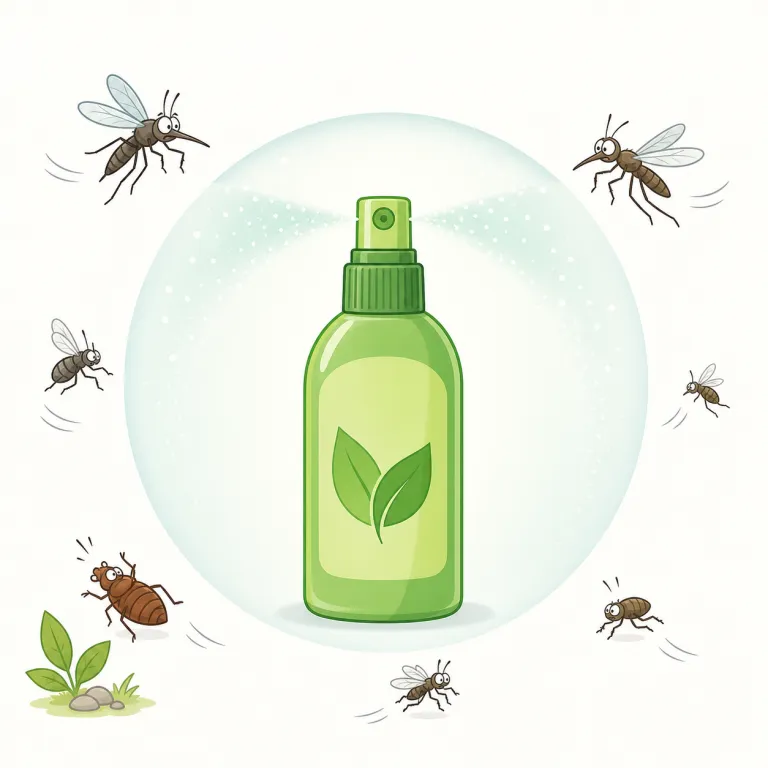
蚊・ダニ・害獣などを寄せつけないために使う薬剤や製品を指す名詞。スプレー、ローション、加工素材などの形で、屋外活動や防虫対策の文脈に出る。「虫よけ」と訳すと日常場面では自然。

A repellant, more commonly spelled repellent, is a substance that keeps insects, animals, or other unwanted things away. It is often used for bug sprays, creams, or chemical products. The word can also describe anything that drives something away.

覚え方のコツ Memory Tip

名詞の repellant は「近づけない働きをするもの」と押さえると明確です。-ant は agent「作用するもの」の感覚を持ち、repel「退ける」+ -ant で、虫や動物を遠ざける製品を表します。insect repellant ならキャンプやハイキング前に使う虫よけスプレー、water repellant なら水をはじく処理剤のように、対象を何かから守る実用品を思い浮かべると定着します。一般には repellent の綴りもよく使われます。

Link it to the verb `repel`, which means "push away" or "keep away." A `repellant` is something that keeps insects or animals away, so think of bug spray or mosquito protection. Be careful with the similar form `repellent`, which is much more common in everyday English.

例文

We applied insect repellant before hiking in the forest.

森でハイキングをする前に虫よけを塗った。

This repellant is effective against mosquitoes.

この忌避剤は蚊に効果がある。

The strong smell of the repellant keeps insects away.

その忌避剤の強いにおいが昆虫を寄せつけない。

adjective

不快ふかい

(意味 2)

解説 Definition

人・におい・態度などが、思わず身を引くほどいやな印象を与えるさまを表す形容詞。単なる「嫌い」より、相手を心理的に遠ざける力がある感じで、冷淡な応対や鼻をつく臭いなどに使う。物理的に退ける発想が、比喩的な不快感に広がった用法。

Repellant describes a person, smell, attitude, or other thing that gives such an unpleasant impression that it makes people want to pull away. It is stronger than simply meaning "unpleasant" because it suggests a power to push others away emotionally or mentally. The idea comes from physically driving something back, and it is often used in a figurative way for cold behavior, bad smells, or an upsetting atmosphere.

覚え方のコツ Memory Tip

repellant の形容詞用法は、repel「はね返す」から「近づく気を失わせる」と捉えると覚えやすいです。虫よけのように物理的に寄せつけないのではなく、ここでは臭い・態度・雰囲気が心を押し戻すイメージです。a repellant odor なら、ただ臭いだけでなく「その場から離れたくなる臭い」。形容詞では repellent の綴りが標準的で、repellant はまれな異綴りとして見かけます。

Think of repellant as connected to repel, "to push back." A repellant smell, attitude, or mood does not physically block you, but it makes you feel like stepping away. This helps you remember the emotional sense of "driving people back." Also note that repellent is the more standard spelling for the adjective, while repellant is a rarer variant.

例文

The smell coming from the trash was so repellant that everyone moved away.

ごみから漂うにおいがあまりに不快で、みんなが離れた。

He gave me a repellant look that made it clear I was not welcome.

彼は不快な視線を向け、歓迎されていないことがはっきり伝わった。

There was something quietly repellant about the room's cold and hostile atmosphere.

その部屋の冷たく敵意のある空気には、静かに人を遠ざけるような不快さがあった。

repellant の語源・成り立ち Etymology

repellant はラテン語 repellere「押し返す」に由来し、re-「後ろへ」+ pellere「押す・追いやる」に分けられます。repel や expel も同じ語根なので、忌避剤は「嫌わせる物」より「近づくものを押し返す物」と捉えると意味が立体的になります。

Repellant comes from Latin repellere, meaning "to drive back" or "push away." It is built from re- and pellere "to push," a root also seen in repel and expel. The word came to mean something that keeps things away by driving them back.

外部辞書で調べる

この単語をシェア

この単語を英単語クイズで覚えよう