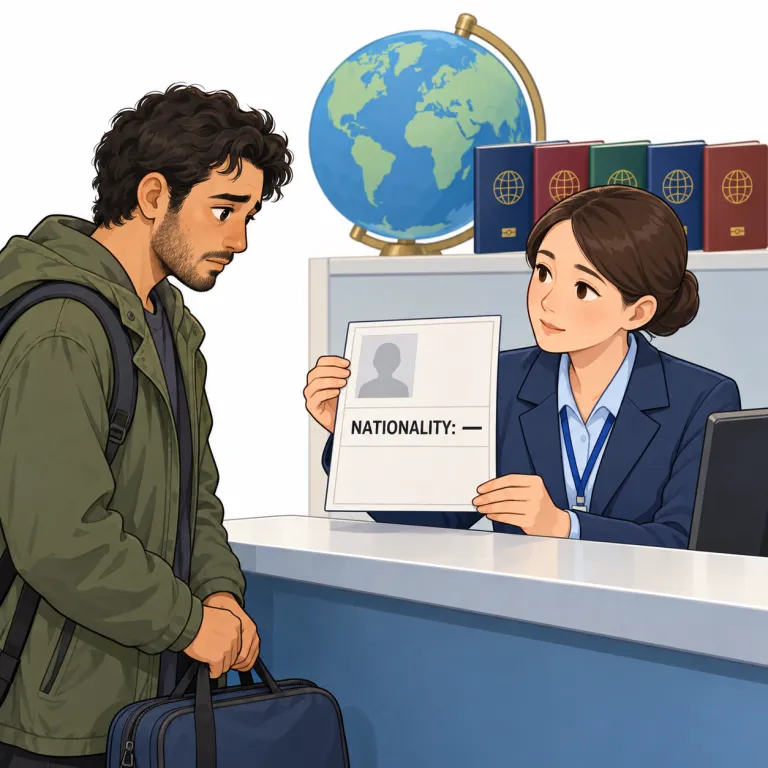
状態を保持しない
adjective 形容詞コンピューターシステムが、以前の要求や利用者のセッション情報を内部に保持しないことを表します。stateless protocolやstateless applicationのように使い、各要求を独立して処理できる設計を指します。
特定の国籍を持たない状態。どの国にも属していない人。国籍がない法的地位。
If a person is stateless, they are not legally recognized as a citizen of any country. This word is mainly used in legal, political, and human rights contexts. Being stateless can affect a person's rights, travel, and access to services.
state をまず「国家・政府」として押さえ、-less は homeless / powerless / endless などと同じ「〜がない」。だから stateless は形だけで「国家を持たない」と読める。人に使えば「無国籍の人」で、難民や出生登録の問題の文脈で出やすい。state には「状態」の意味もあるので condition と混線しやすいが、この語では nation に近い意味。stateless person, become stateless, remain stateless をまとめて覚えると定着しやすい。
Break it into `state` plus `-less`. Like `homeless` or `powerless`, it clearly means being without something, so `stateless` means without a state or nationality. In this word, `state` means a country, not a condition.
Many refugees became stateless after the conflict.
紛争後、多くの難民が無国籍になった。
Stateless persons face many challenges in finding work.
無国籍の人々は、仕事探しで多くの困難に直面している。
Stateless people have no legal nationality and often need international support.
無国籍の人々には法的な国籍がなく、国際的な支援を必要とすることが多い。
文脈によって、次の意味でも使われます。
コンピューターシステムが、以前の要求や利用者のセッション情報を内部に保持しないことを表します。stateless protocolやstateless applicationのように使い、各要求を独立して処理できる設計を指します。
社会や民族などが、独自の主権国家または中央集権的な統治機構を持たないことを表します。個人に国籍がないという既存語義とは異なり、stateless societyやstateless nationのように集団を修飾します。
state はラテン語 status「立場・国家の状態」が古フランス語経由で入った語で、-less は古英語の「欠いている」です。stateless は「国家という身分を持たない」という直訳に近く、state や status も同じ sta-「立つ」の系列です。
"Stateless" is made from "state" and the suffix "-less," meaning "without." "State" came through Old French from Latin "status," meaning condition, standing, or political position. So the word originally means "without a state," and it grew into the modern sense of lacking legal nationality or citizenship.
この英単語をクイズで覚えよう