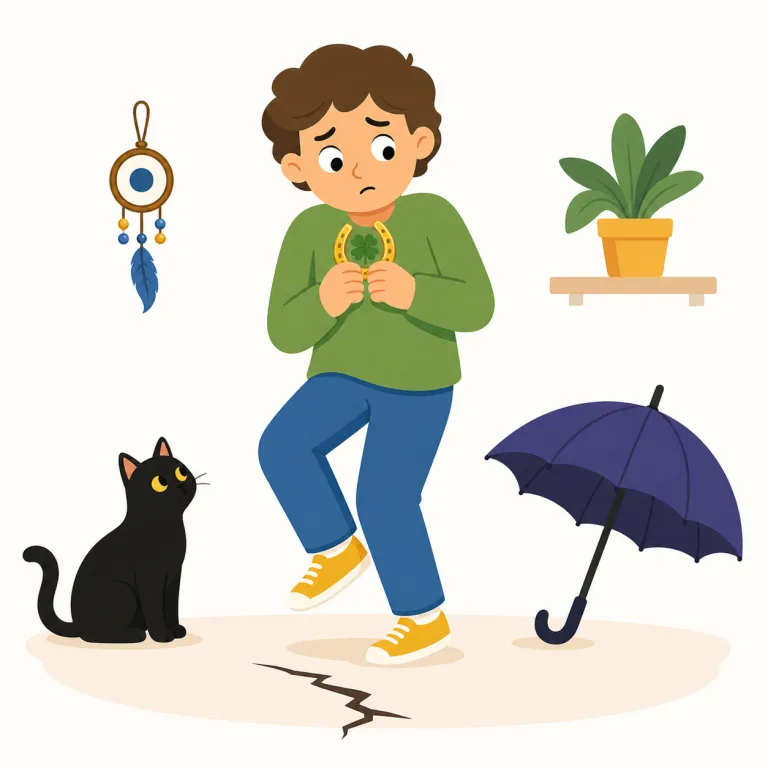
superstitious
superstitious は英検準1級レベルの英単語で、「迷信深い」という意味があります。発音記号は /ˌsuːpərˈstɪʃəs/ です。
迷信深い
解説 Definition
科学的証拠や理屈に基づかない迷信を信じやすい性質。根拠のない信仰に頼りやすい傾向を持つ。
Superstitious means believing that certain actions, objects, or events can bring good or bad luck in a way that is not based on reason or science. The word is often used for traditional beliefs, habits, or fears.
覚え方のコツ Memory Tip
中心は名詞 superstition「迷信」。まずこれを覚え、語尾 -ous を見たら「〜の性質がある」と取ると、superstitious は「迷信を信じがちな」。super- はここで everyday の「超」より「過剰・行きすぎ」の感じで見ると定着しやすいです。religious が宗教的信仰、suspicious が疑い深い、superstitious は unlucky numbers, bad omens, Friday the 13th のような根拠の薄い縁起や前兆を気にする場面で使う、と場面ごと覚えると残ります。
Anchor it to the noun `superstition`, then add `-ous` for "having that quality." It helps to compare it with words like `religious` and `suspicious`, which share the same adjective pattern. Remember it in scenes with `bad omens`, `unlucky numbers`, or `Friday the 13th`, where people believe signs too easily.
例文
He is superstitious and refuses to walk under ladders.
彼は迷信深く、はしごの下を歩こうとしない。
Superstitious beliefs about luck are common in many cultures.
運にまつわる迷信は多くの文化に見られる。
She wore a charm out of a superstitious belief that it would bring good fortune.
彼女は幸運をもたらすという迷信から、お守りを身につけていた。
えいたんごクイズでの正答率
この語をはじめて出題された 38人 のうち 31人 が正解しました(82%)。
えいたんごクイズの回答から集計した独自データです。1人につき最初に出題されたときの1回だけを数えており、復習や2回目以降の回答、「わからない」と時間切れは含みません。 集計時点は 2026年9月19日 です。
superstitious の類義語・関連語
superstitious の語源・成り立ち Etymology
superstitious はラテン語 superstitiosus に由来し、super-『上に・過度に』と stare『立つ』に結びつけて説明されます。state や stable と同じ語根をもち、『見えない力が自分の上に立つ』ように感じる発想から『迷信深い』へ進みました。
Superstitious comes from Latin superstitiosus, related to superstitio. It is often explained through super- "over" and stare "to stand," though the exact early sense is debated. In English, the word came to describe a fearful or excessive belief in unseen forces.
同じレベルの語彙をもっと
英検準1級の一覧へ →外部辞書で調べる
この英単語をクイズで覚えよう