意味一覧 (2件)
プラタナス
解説 Definition
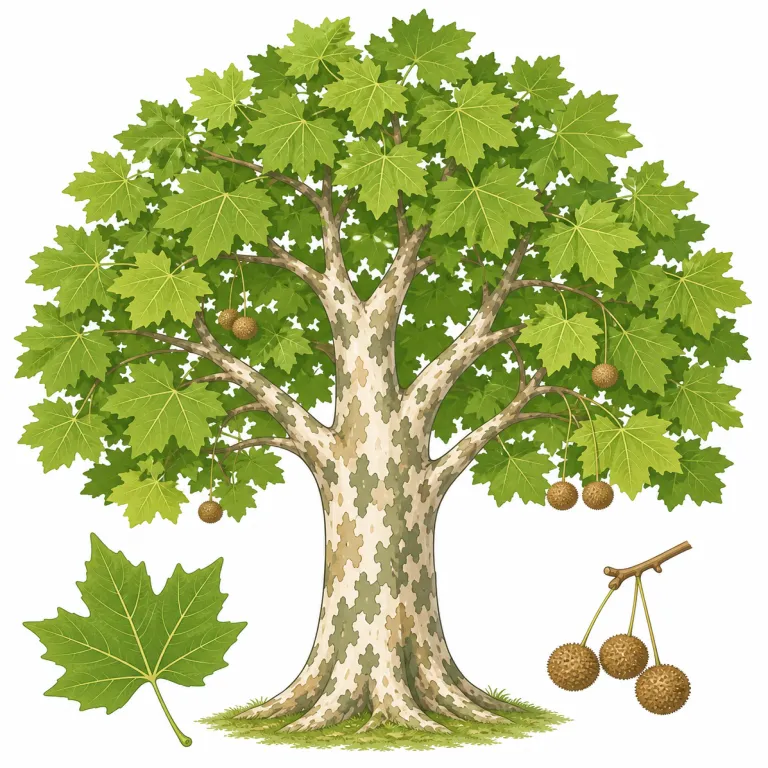
プラタナス属の樹木。大きな葉を持つ落葉樹で、並木道によく使われます。
A sycamore is a large tree with broad leaves and a strong trunk. It is often found in parks, streets, and other open areas. The word refers to different but similar trees in different parts of the world.
覚え方のコツ Memory Tip
木の名前は単体だと埋もれやすいので、sycamore は「街路樹として見る大きな広葉樹」の箱で覚えると残りやすいです。英語では a sycamore tree, a sycamore-lined street のように、並木道・公園・木陰の風景と一緒に出やすい語。oak や pine のような超基本語ではない一方、風景描写では目立つので、「大きな葉」「背が高い」「まだらな樹皮」の3点を映像で固定すると定着します。plane tree 系を指すことが多い、と添えて覚えると他の樹木名とも混同しにくいです。
Treat `sycamore` as a tree-name word you remember through a scene, not through parts. Picture a tall city tree with wide leaves on a `sycamore-lined street` or in a park. Remember it with the phrase `a sycamore tree`, and connect it to a big shade tree rather than basic tree words like `oak` or `pine`.
例文
The ancient sycamore trees lined the pathway through the park.
樹齢の高いプラタナスが公園の小道に沿って並んでいた。
The sycamore provides excellent shade during summer.
そのプラタナスは夏に心地よい木陰を作ります。
Children climbed the branches of the tall sycamore.
子供たちは背の高いプラタナスの枝に登りました。
セイヨウカジカエデ
(意味 2)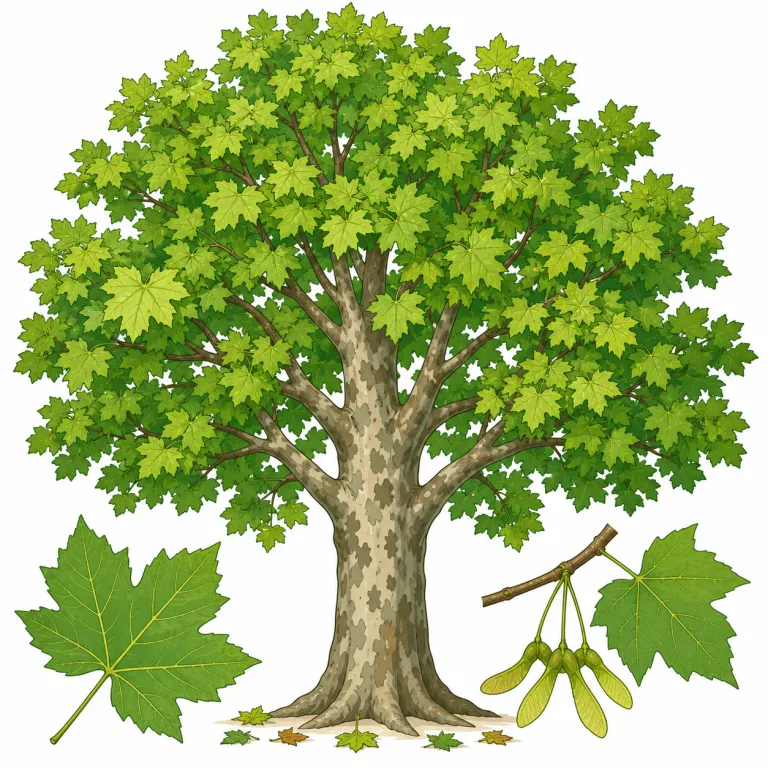
解説 Definition
主にイギリス英語で、カエデの一種であるセイヨウカジカエデを指す語です。公園や街路、庭園の木として語られることが多く、葉や翼のある種子について述べる文脈でも見られます。北米英語の sycamore とは指す木が異なる場合があります。
In British English, this noun names a large type of maple commonly seen in parks, gardens, and along streets. It has maple-like leaves and winged seeds, and the same spelling may refer to a different tree in North American English.
覚え方のコツ Memory Tip
sycamore は地域で指す木がずれるので、イギリス英語では sycamore maple、つまりカエデの一種「セイヨウカジカエデ」として箱に入れると混同しにくいです。プラタナス系のまだらな樹皮ではなく、カエデらしい葉と翼のある種子を思い浮かべるのがこの語義のポイント。a sycamore tree, sycamore leaves のように、公園・教会脇・街路の高いカエデを映像で固定すると定着します。
For this sense, connect the word with "sycamore maple" and picture a tall British park tree with winged seeds. This will help distinguish it from the different trees that may have this name in other regions.
例文
A tall sycamore stood beside the church.
教会のそばに高いセイヨウカジカエデが立っていた。
The sycamore leaves began to turn yellow in September.
セイヨウカジカエデの葉は九月に黄色くなり始めた。
Children watched the sycamore seeds spin in the wind.
子どもたちはセイヨウカジカエデの種が風でくるくる回るのを見ていた。
sycamore の類義語・関連語
紛らわしい語
sycamore の語源・成り立ち Etymology
sycamore はギリシャ語 sykomoros に由来し、sykon「イチジク」+ moron「クワ(桑)」が合わさった語です。もともとは中東の「イチジクグワ」の名で、それがラテン語・古フランス語を経て英語に入り、後にプラタナス類にも使われました。見た目の連想から広がった名だと分かります。
Sycamore comes from Greek sykomoros, made from sykon "fig" and moron "mulberry." It first named a tree in the Middle East called the fig-mulberry, then passed through Latin and Old French into English. Later, English also used the name for other trees, probably because of a similar appearance.
同じレベルの語彙をもっと
外部辞書で調べる
この英単語をクイズで覚えよう