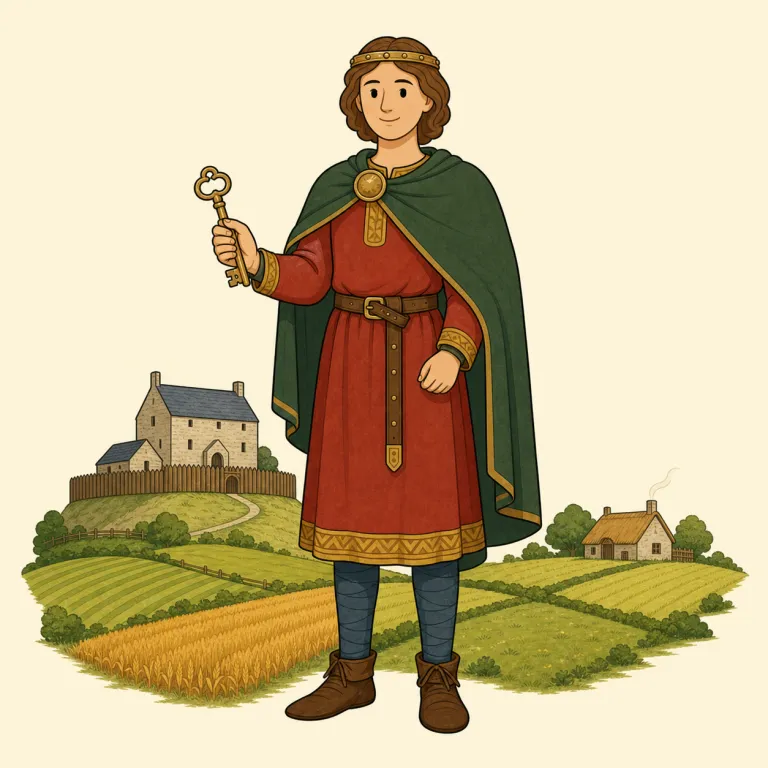
領主
解説 Definition
thane は、主にアングロサクソン期のイングランドや中世スコットランドで用いられた貴族・有力者の称号です。王や上位者に仕え、土地や地域に対する権限を持つ人物を指しました。現代の一般的な「領主」全般ではなく、歴史・文学で出る特定の称号として使われます。
A thane was a man of high rank in early medieval England or Scotland, similar to a noble or lord. The term is mainly found in history and literature, especially in Shakespeare. It is not used for modern social titles.
覚え方のコツ Memory Tip
thane は現代英語の基本語ではなく、歴史物・文学で出る称号として覚えると残りやすいです。特に Shakespeare の Macbeth に出る "Thane of Cawdor" が有名で、実際の使用場面ごと覚えるのが近道。意味は単なる landowner ではなく、王に仕えつつ土地と権限を持つ noble / lord に近い中世スコットランドの領主階級です。まれな歴史語なので、普通の「領主」一般を言う語ではない点にも注意すると混同しにくくなります。
Treat `thane` as a history or literature word, not an everyday one. It is strongly tied to Shakespeare's `Macbeth`, especially `Thane of Cawdor`, so that is a useful memory anchor. Think of an old noble title close to `lord`, not a general word for any landowner.
例文
The thane ruled over his lands with wisdom and justice.
その封建領主は知恵と正義をもって領地を統治した。
In Scottish history, a thane was an important feudal lord.
スコットランドの歴史では、thaneは重要な封建領主だった。
Macbeth was named thane of Cawdor after his brave deeds.
マクベスは武勲を立てた後、コーダーの領主に任じられた。
thane の類義語・関連語
thane の語源・成り立ち Etymology
thane は古英語 þegn に由来し、もとは「仕える者・従者・戦士」を表しました。ゲルマン祖語にさかのぼる語で、歴史語 thegn や thanedom と同根で、王に仕える有力者という役割から「領主」の意味へ発展しました。
"Thane" comes from Old English "thegn," which meant "servant," "attendant," or "warrior." It goes back to an older Germanic word for someone who serves a lord. Over time, because such men could hold high rank and land, the word developed the sense of a noble or lord in medieval Scotland and England.
同じレベルの語彙をもっと
外部辞書で調べる
この英単語をクイズで覚えよう