意味一覧 (2件)
結ばれた
解説 Definition
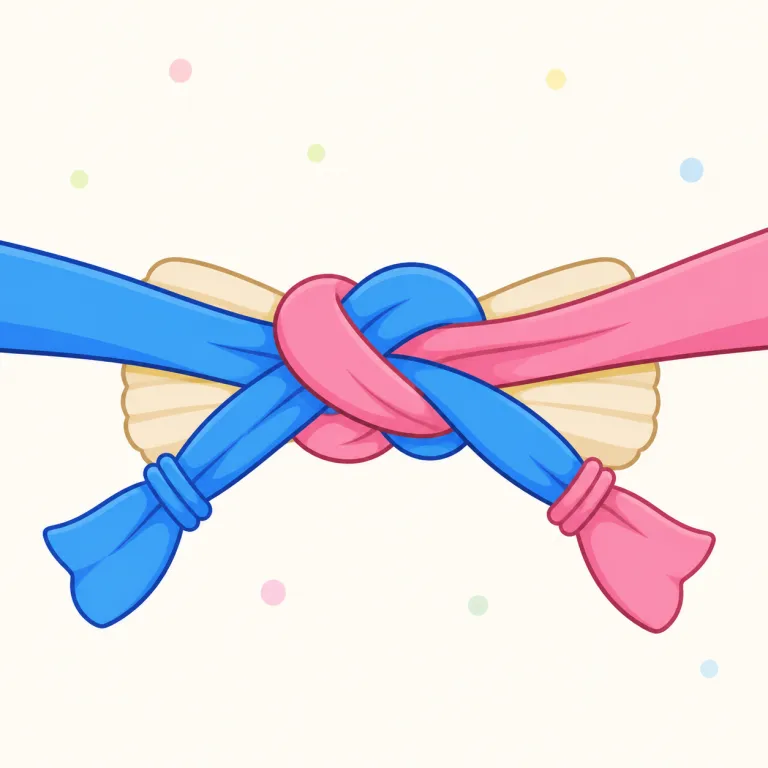
ひもやロープで強く結ばれた状態。二つ以上のものがつながれた状態。
Tied means fastened or connected with a rope, string, or similar material. It can also describe things that are closely linked, or teams and players with the same score. The meaning depends on whether the context is physical, social, or competitive.
覚え方のコツ Memory Tip
まず動詞 tie「結ぶ」を確実に押さえ、その過去分詞が tied だと覚えると自然です。意味の核は「何かで結ばれて、ほどけず固定された状態」。a tied rope, hair tied back のように、ひも・髪・袋などが結ばれている場面を思い浮かべると残りやすいです。be tied to なら物理的に結ばれるだけでなく「縛られている・密接につながる」に広がります。tie と tight はつづりも音も近いので混同しやすいですが、tight は「きつい」、tied は「結ばれた状態」です。
Start with the verb `tie`, then see `tied` as the past form and adjective form meaning in a tied state. Picture simple scenes like `hair tied back` or `a tied bag` to fix it in memory. Also separate it from `tight`: `tight` means not loose, but `tied` means fastened with a knot or connection.
例文
The dog is tied here.
その犬はここにつながれている。
My bag is tied tight.
私のかばんはしっかり結ばれている。
The box is tied with string.
その箱はひもで結ばれている。
同点の
(意味 2)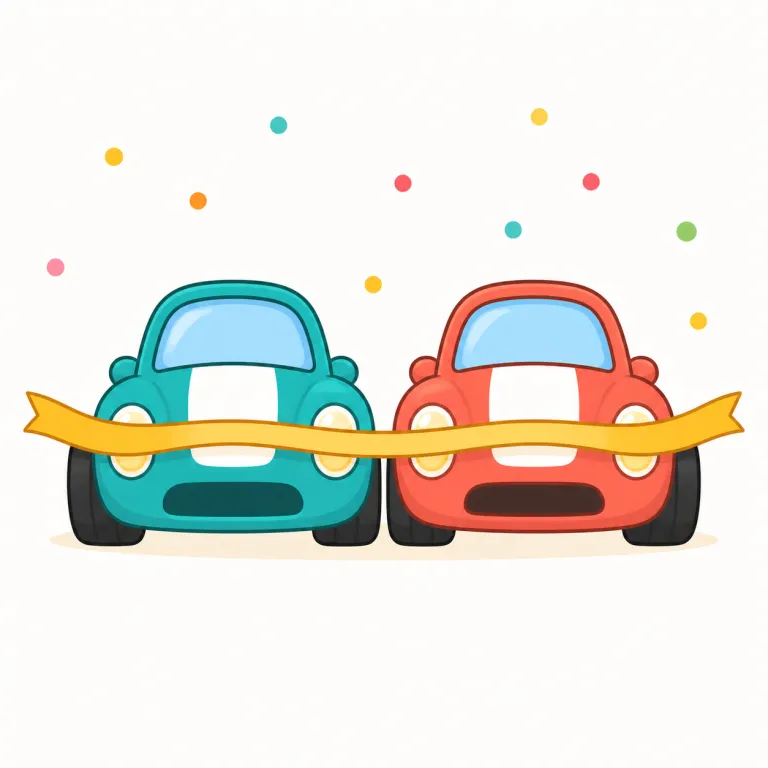
解説 Definition
スコアやポイントが同じであることを示す。競争やゲームで複数の参加者が同じ結果に達した状態。
If two sides are tied, they have the same score, result, or position. This word is often used in sports, games, and competitions. It shows that neither side is ahead.
覚え方のコツ Memory Tip
まず tie を「結ぶ」だけでなく「引き分け・同点にする」まで含めて覚える。tied はその過去分詞で、相手同士が結ばれたように差がつかず並んでいる状態を表す語。スポーツでは be tied at 2-2, a tied game の形が頻出で、数字や順位が同じ場面とセットで記憶すると定着しやすい。tie は名詞で「引き分け」、tied は「同点の状態にある」という形容詞的な使い方。leading「リードしている」の反対として置くと整理しやすく、tired と見間違えないよう語形にも注意。
Link tied to the noun tie, which can mean a draw in a game. That makes phrases like "tied at 3-3" and "tied for first place" easy to remember. It is especially common with scores, rankings, and sports results.
例文
The score was tied when the match ended.
その試合は同点で終わりました。
Both teams were tied at halftime.
両チームは前半終了時点で同点でした。
The two competitors were tied for first place.
2人の競技者は1位タイでした。
tied の類義語・関連語
類義語
対義語
紛らわしい語
tied の語源・成り立ち Etymology
古英語 tīgan(結ぶ)、古ノルド語 tyja に由来し、印欧語根 *deuk-(導く・引く)と関連する。紐を引いて結ぶ動作が原義。関連語: tow(牽引する)。tie の過去分詞形で「結ばれた状態」を表す。
Tied is the past participle of tie, which comes from Old English and related Old Norse forms meaning "to fasten" or "to bind." The older idea behind the word is pulling or fastening with a cord. As an adjective, tied came to describe something already bound or fixed in place; tow may be distantly related.
同じレベルの語彙をもっと
外部辞書で調べる
この英単語をクイズで覚えよう