有害性、険悪さ
noun 名詞人の言動、対人関係、職場やオンライン上の環境などが、精神的・社会的に有害である性質を比喩的に表します。攻撃性、敵意、いじめなどが広がった状態についてよく使われます。
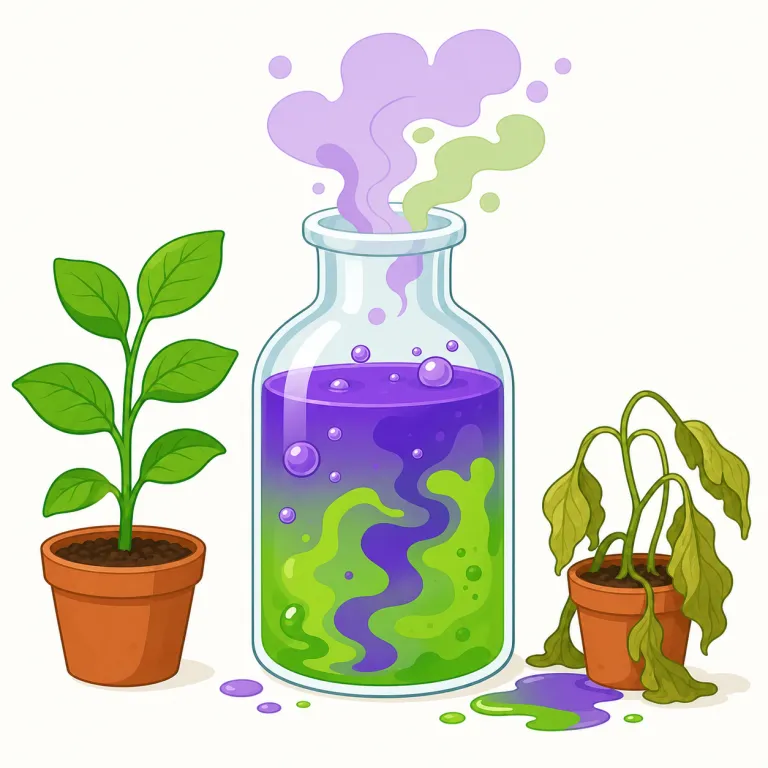
toxicity はTOEFL 80・IELTS 6.5レベルの英単語で、「毒性」という意味があります。発音記号は /tɑkˈsɪsɪti/ です。
物質や化学物質が生き物に害や毒をもたらす能力のこと。どれくらい危険で有害かを示す程度や強さを表します。
Toxicity is the quality of being poisonous or harmful to living things. It is often used in science, medicine, and discussions about chemicals, drugs, or pollution. Higher toxicity means something can cause more damage.
まず toxic「有毒な」を確実に押さえ、-ity が付くと「性質・度合い」を表す名詞になる、とセットで覚えると定着しやすいです。つまり toxicity は「毒であること」より「どれほど有害かという毒性」。high toxicity, reduce toxicity, toxicity test のように“強さ・評価”と一緒に出やすい語です。poison は「毒そのもの」、toxic は「有害な」、toxicity は「有害さの程度」と切り分けると混同しにくくなります。
Start from `toxic`, then add `-ity`, which often makes a noun for a quality or level. So `toxicity` is the harmful quality or degree, not the poison itself. Compare them this way: `poison` is the substance, `toxic` describes it, and `toxicity` is how dangerous it is.
This chemical has high toxicity and is dangerous to touch.
この化学物質は毒性が強く、触ると危険です。
Research shows the toxicity level of this drug in the body.
研究により、この薬が体内でどの程度の毒性を示すかが明らかになっています。
Tests found high toxicity in the drinking water.
検査で、その飲み水の毒性が高いことがわかりました。
文脈によって、次の意味でも使われます。
人の言動、対人関係、職場やオンライン上の環境などが、精神的・社会的に有害である性質を比喩的に表します。攻撃性、敵意、いじめなどが広がった状態についてよく使われます。
toxicity は toxic+名詞接尾辞 -ity。toxic はラテン語 toxicum を経てギリシャ語 toxikon「矢毒」に由来し、さらに toxon「弓」にさかのぼるので、もとは“矢に塗る毒”から一般的な「毒性」へ広がった。関連語は toxic, toxicology。
Toxicity is built from toxic and the noun ending -ity. Toxic comes through Latin toxicum from Greek toxikon, which first meant poison used on arrows, and is linked to toxon, meaning "bow." The idea widened from arrow poison to poison in general, and then to the quality of being poisonous. Related words include toxic and toxicology.
この英単語をクイズで覚えよう