tramp
tramp はTOEIC 860・TOEFL 80・IELTS 6.5レベルの英単語で、「浮浪者、踏み鳴らして歩く、歩き回る」という意味があります。発音記号は /ˈtræmp/ です。
意味一覧 (3件)
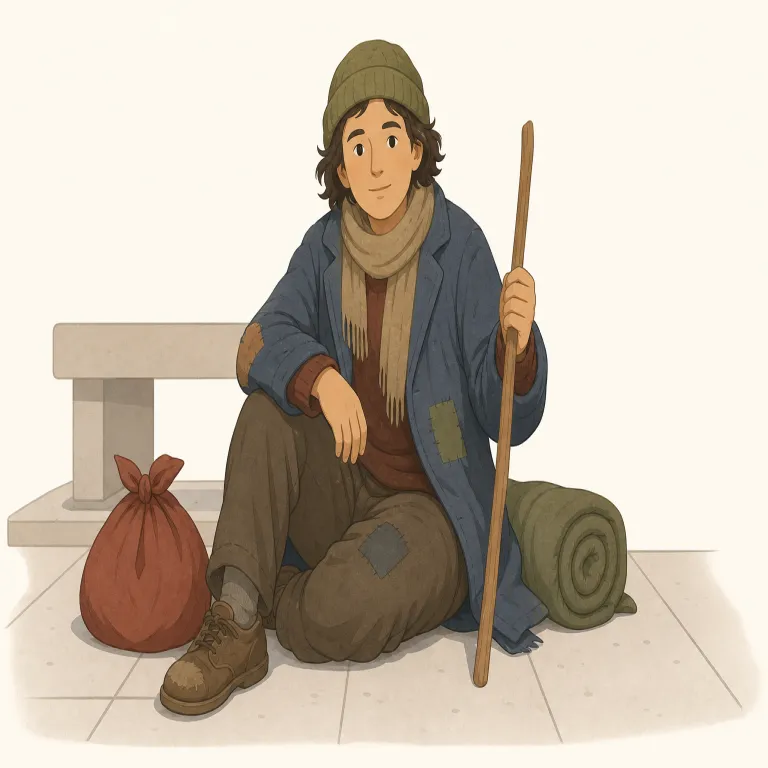
浮浪者
解説 Definition
一定の住まいや仕事を持たず、町から町へ移動して暮らす人を指す古めの語です。文学や社会問題を語る文脈で見かけることがあり、やや否定的または時代がかった響きを持つことがあります。
An old-fashioned noun for a person who travels from place to place without a permanent home or regular job. It often carries a negative or dated tone and appears mainly in older literature or discussions of social conditions.
覚え方のコツ Memory Tip
tramp は「歩き回る人」として覚えると名詞の意味まで届きやすい語です。重い足取りで町から町へ歩き続け、決まった住まいや仕事を持たない人を思い浮かべると「浮浪者」が見えてきます。traveler は単なる旅行者、wanderer はさまよう人、tramp は古い文章で貧しさや路上生活の響きを伴いやすいのが核心。動詞の「どしどし歩く」だけで止めず、the tramp on the street のように人を指す形で覚えると混同しにくいです。
Remember tramp as a person who keeps walking from town to town without settled work or housing. Unlike traveler, it traditionally suggests poverty and homelessness and may sound judgmental today.
例文
The old novel tells the story of a tramp living on the streets.
その古い小説は路上で暮らす浮浪者の物語を描いている。
People often ignored the tramp sitting near the station.
人々は駅の近くに座っていた浮浪者をよく無視した。
He was mistaken for a tramp because of his torn clothes.
彼は服がぼろぼろだったため浮浪者だと誤解された。
踏み鳴らして歩く
(意味 2)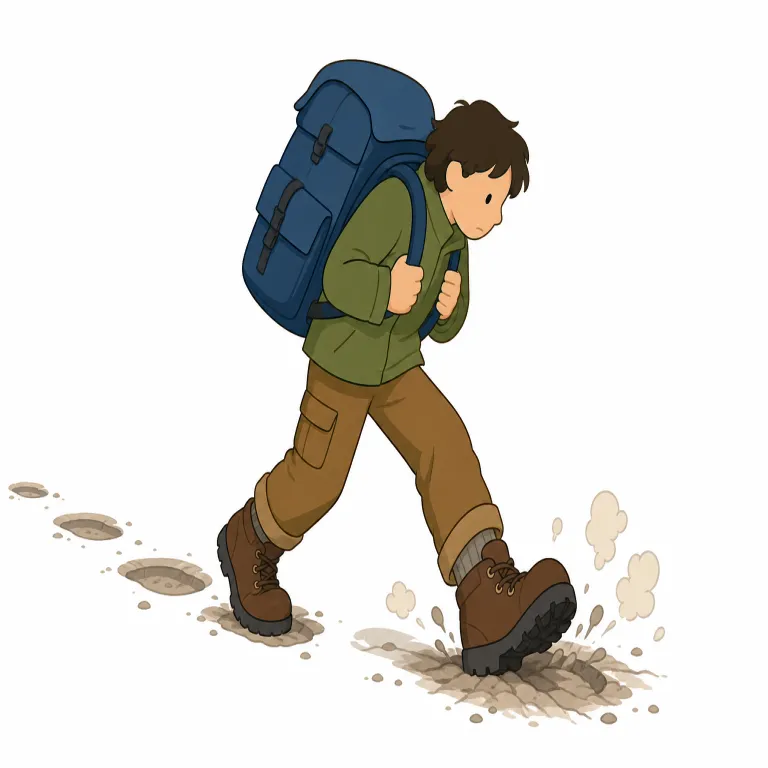
解説 Definition
足音がはっきり聞こえるほど、重い足取りでどしどし歩くことを表します。兵士が行進するときのように地面を強く踏みしめて進む場合や、疲れて重々しく歩く場合に使われ、音や力強さが意識される語です。
To tramp means to walk heavily, noisily, or with tired, forceful steps. It is often used for movement over a distance, especially on rough ground or when someone is tired or angry. The word focuses on the sound or weight of the steps.
覚え方のコツ Memory Tip
stamp を知っていると覚えやすい語です。stamp が「踏みつける・どんと踏む」なら、tramp はその動きが連続して「どしどし歩く」感じ。音のある重い足取りが核で、兵士が列を組んで進む場面や、疲れて足を引きずるように進む場面を思い浮かべると残ります。trample は「踏みつけて傷める」なので、tramp はまず「重く歩く」、damage の含みは弱いと分けると混同しにくいです。
Think of `stamp`: one heavy step. `Tramp` feels like many heavy steps in a row, with a strong sound and weight. It often suggests marching or walking wearily, and it is less about damage than `trample`.
例文
He could hear the guard tramp past his cell every hour.
彼は警備員が一時間ごとに独房の前を足音を立てて通り過ぎるのを聞いた。
The soldiers began to tramp across the muddy field.
兵士たちは泥だらけの野原を重々しく踏みしめながら進み始めた。
She could hear boots tramping on the floor above.
彼女は上の階で靴が床をどしどし踏み鳴らす音を聞いた。
えいたんごクイズでの正答率
この語をはじめて出題された 40人 のうち 21人 が正解しました(53%)。
えいたんごクイズの回答から集計した独自データです。1人につき最初に出題されたときの1回だけを数えており、復習や2回目以降の回答、「わからない」と時間切れは含みません。 集計時点は 2026年9月19日 です。
歩き回る
(意味 3)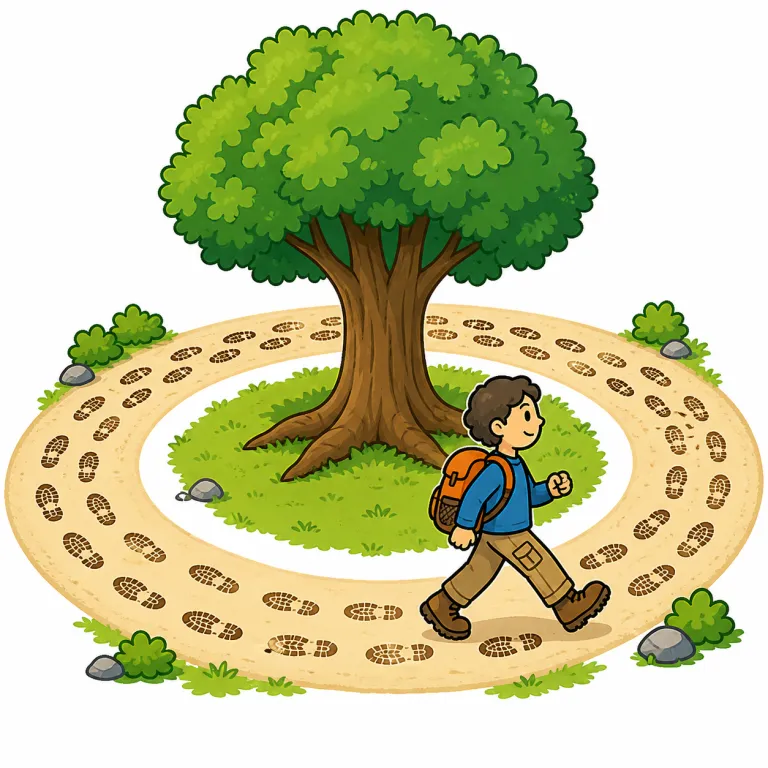
解説 Definition
長い距離を徒歩で進んだり、あてもなくあちこち歩いたりすることを表します。旅行や野外活動のほか、目的もなく町をうろつくような場面でも使われ、単に踏み鳴らす意味とは異なります。
To walk a long distance, often across rough country, or to wander around an area on foot. This sense emphasizes covering ground or walking about, not merely making heavy footsteps.
覚え方のコツ Memory Tip
この語義の tramp は、丘を何時間も歩いたり、宿を探して町中を巡ったりするように、長い距離を徒歩で進む・あちこち歩き回ることです。tramp through the hills や tramp around the city の形で、広い範囲を歩き続ける場面と結びつけましょう。足音を立てて「どしどし歩く」ことを主に表す語義とは区別します。
Picture people tramping through hills for hours or tramping around a city in search of a place to stay. Phrases such as tramp through and tramp around help connect the verb with sustained walking over a wide area.
例文
We tramped through the hills all afternoon.
私たちは午後じゅう丘陵地帯を歩き回った。
He tramped around the city looking for cheap hotels.
彼は安いホテルを探して街を歩き回った。
They tramped for miles in the rain.
彼らは雨の中を何マイルも歩いた。
tramp の類義語・関連語
tramp の語源・成り立ち Etymology
中英語 trampen は中オランダ語・低地ドイツ語系で「どしんと踏む」が核です。tramp は重い足音を思わせる語幹で、trample や stamp と近く、「重く踏み歩く」から「あてもなく歩き回る人」、つまり「浮浪者」を指す名詞の意味が育ちました。
The supplied history traces it to Middle English trampen and related Middle Dutch or Low German words meaning “to tread heavily.” The noun sense developed from the idea of walking heavily or wandering from place to place.
同じレベルの語彙をもっと
TOEIC 860の一覧へ →外部辞書で調べる
この英単語をクイズで覚えよう