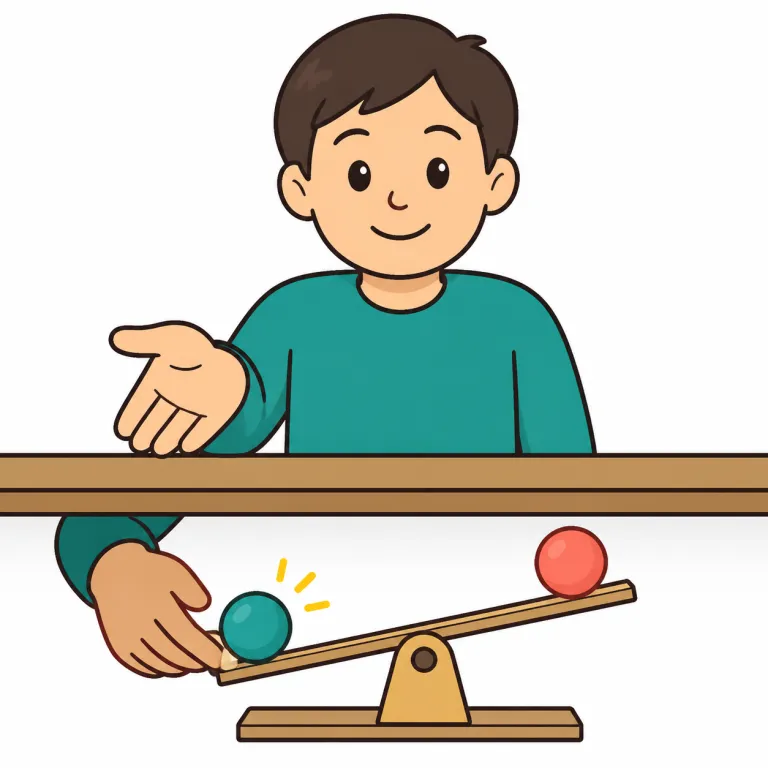
下手投げの
adjective 形容詞投球や打撃などで、腕を肩より低い位置から前方へ振り出す動作を表す。主に北米英語で underhanded throw のように名詞の前に置き、卑劣という評価ではなく動作の方向を客観的に示す。
不正で狡猾なやり方をすること。こそこそと卑怯な手段を用いるさま。
Underhanded describes behavior that is dishonest, unfair, or done in a secret way to get an advantage. It is often used to criticize actions in business, politics, or personal relationships.
まず hand が入っているので「手を使ったやり方」の形容詞だと押さえる。under が付くと、表ではなく下・見えない所で動く感じが出るので、open や honest の反対側を連想すると記憶に残る。underhanded tactics / an underhanded trick のように、こそこそした策略や卑怯な手に付きやすい。illegal が単に違法、dishonest が不正直なのに対し、underhanded は“陰でずるく細工する”感じが強い。underhand の字面に引っぱられず、否定的な語だと固定すると覚えやすい。
Notice `under` + `hand`, which suggests something done below the surface, not openly. That makes it easy to connect with secret, sneaky behavior. Remember phrases like `underhanded tactics` or `an underhanded trick`.
The politician was accused of using underhanded tactics to win the election.
その政治家は選挙に勝つために卑劣な手段を使ったと非難された。
His underhanded manipulation of the data led to his dismissal from the research team.
彼は卑劣な手段でデータを改ざんしたため、研究チームから解雇された。
She despised underhanded behavior and always insisted on transparency.
彼女は卑劣な行為を嫌い、常に透明性の確保を求めた。
文脈によって、次の意味でも使われます。
投球や打撃などで、腕を肩より低い位置から前方へ振り出す動作を表す。主に北米英語で underhanded throw のように名詞の前に置き、卑劣という評価ではなく動作の方向を客観的に示す。
underhanded は古英語由来の under「下で」+ hand「手」+ -ed から成り、「手を下でこっそり動かす」が原感覚です。handy や handful も同じ hand を含み、そこから「正面からでなく陰で細工する」→「卑劣な」と分かります。
Underhanded comes from under and hand, both old English words, with -ed added later. It first suggested acting with the hand below or out of sight, as if doing something secretly rather than openly. From that image, the word developed the sense of something dishonest or unfair.
この英単語をクイズで覚えよう