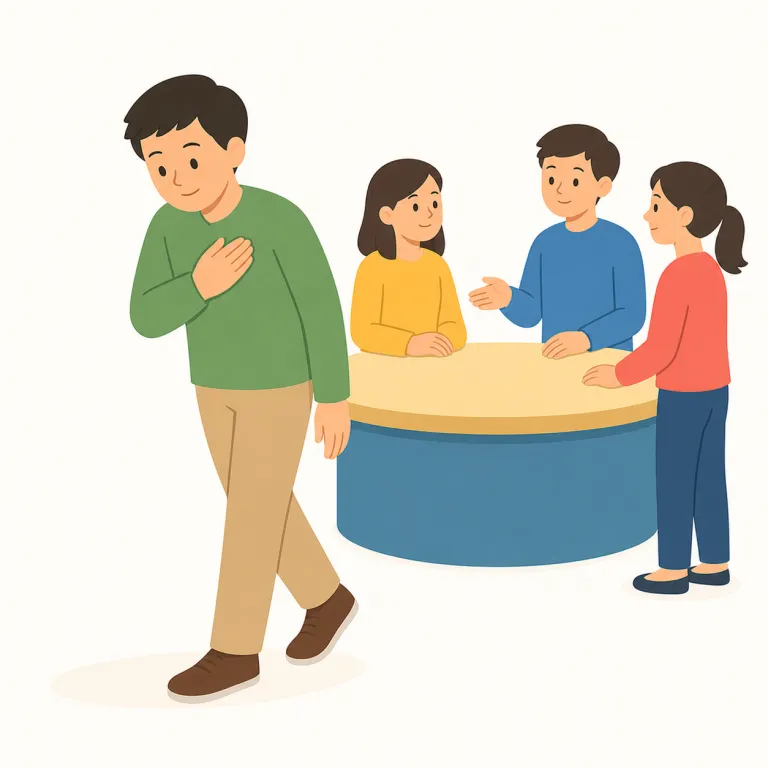
bow out
bow out は英検準1級レベルの英単語で、「身を引く」という意味があります。発音記号は /ˈbaʊ ˈaʊt/ です。
身を引く
解説 Definition
人前で退席したり、責任から身を引いたりすることを丁寧に表す。競技やプロジェクトなどから自発的に降りる場面で、礼儀正しさを含めて使われる。辞め方に敬意を示したい状況によく選ばれる言い回しだ。
To bow out means to leave a position, activity, or event, usually in a polite or calm way. It is often used when someone chooses to step back at the right time rather than continue. This phrase is common in business, politics, and public life.
覚え方のコツ Memory Tip
bow はまず「お辞儀する」を思い出すと定着しやすい。そこに out が付くので、「一礼して場を去る」イメージで覚えると、ただ辞める quit よりずっと丁寧に身を引く感じが出る。選挙・競争・プロジェクトから自分で降りる場面でよく使われ、bow out of the race や bow out gracefully が典型。失敗して脱落する drop out と違い、礼儀や円満さを残して退く語だと押さえると使い分けやすい。
Remember `bow` as "bend politely" in front of others. With `out`, it creates the image of giving a polite bow and leaving the stage. That is why `bow out` feels more graceful and voluntary than `drop out` or plain `quit`.
例文
The longtime host bowed out of the show after fifteen years.
その司会者は15年間務めた番組から身を引いた。
He decided to bow out of the project to let a younger colleague take over.
彼は若手に任せるためそのプロジェクトから身を引くことにした。
bow out の類義語・関連語
bow out の語源・成り立ち Etymology
bowは古英語būgan(曲がる・身をかがめる)から。舞台で演者がお辞儀して退場する所作が原義で、そこからbow outで「礼儀正しく身を引く」意に。ドイツ語biegen(曲げる)と同根。関連語:elbow(腕の曲がり)、bough(枝=曲がるもの)。敬意を込めた撤退を示す。
Bow comes from Old English bugan, meaning "to bend." Bow out first referred to leaving a stage after making a bow, a polite physical gesture of respect. From that stage image, it developed into the figurative sense of withdrawing politely from a role, event, or discussion.
同じレベルの英単語をもっと
英検準1級の一覧へ →外部辞書で調べる
この単語を英単語クイズで覚えよう