cavalier
cavalier は英検1級レベルの英単語で、「無頓着な、ぞんざいな、馬上の戦士」という意味があります。発音記号は /ˌkævəˈlɪr/ です。
意味一覧 (2件)
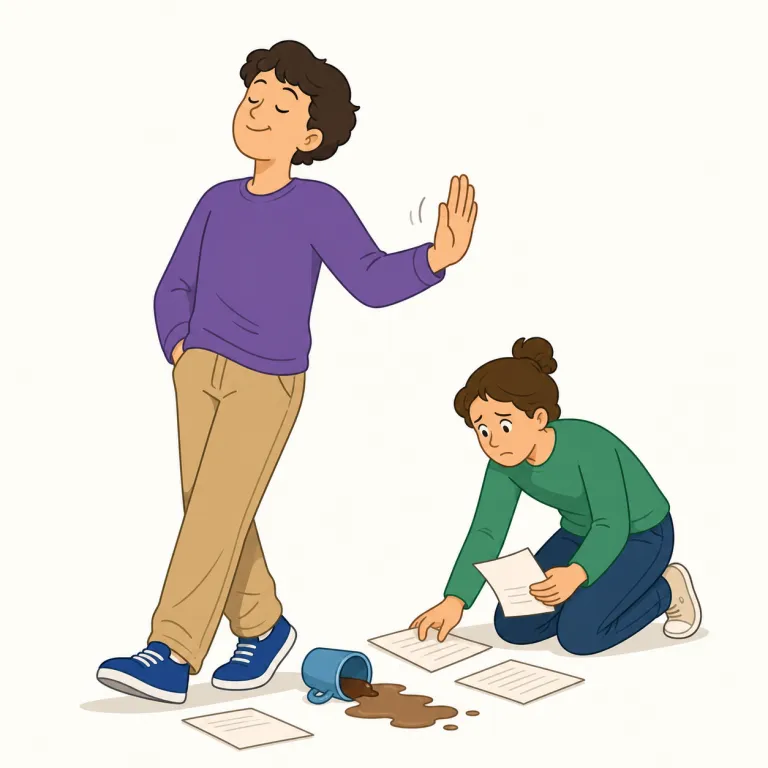
無頓着な、ぞんざいな
解説 Definition
重要な問題や他人の懸念を深刻に受け止めず、必要な注意や配慮を払わない様子を表します。安全や規則などを軽く扱う、無頓着でぞんざいな態度にも使われます。
If someone is cavalier, they do not seem to care enough about something important or about other people's feelings. It is often used to describe an attitude that is too casual, careless, or dismissive. The word is usually negative.
覚え方のコツ Memory Tip
まずは定番の形で覚えると残りやすく、cavalier attitude で「人を軽く扱う横柄な態度」。意味の芯は arrogant「傲慢」と careless about others「相手への配慮がない」の中間です。単に自信がある confident ではなく、他人の気持ちや規則を気にせず、上から雑に振る舞う感じ。ニュースや評論で a cavalier approach to safety のように「安全を軽視したいい加減さ」にも広がるので、対人面+物事を甘く見る態度の両方で押さえると定着します。
A strong memory hook is the phrase `a cavalier attitude`. It suggests someone acting carelessly and a little arrogantly, especially toward other people or important rules. Remember it as more than just `confident`: it has a cold, dismissive feeling.
例文
The company was criticized for its cavalier attitude toward worker safety.
その会社は労働者の安全に対する無頓着な態度を批判されました。
Her cavalier dismissal of his concerns upset him greatly.
彼女が彼の懸念をぞんざいに退けたため、彼はひどく腹を立てました。
The officials took a cavalier approach to protecting personal data.
当局者たちは個人データの保護を安易に扱いました。
馬上の戦士
(意味 2)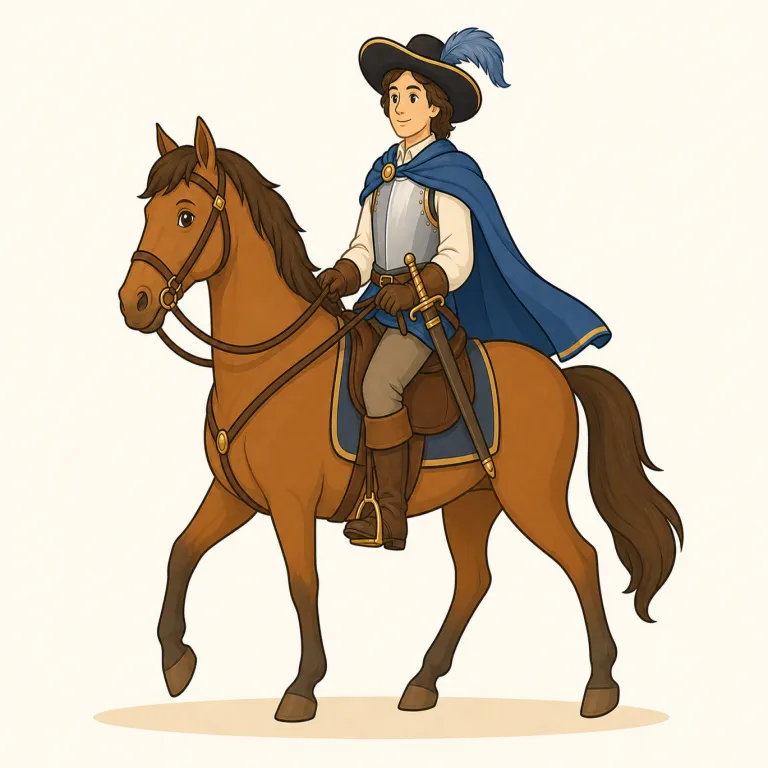
解説 Definition
馬上で戦う騎士や戦士。王に忠誠を持つ貴族や兵士を指すこともある。
A cavalier is a horseman or a soldier who fights while riding a horse, especially in historical writing. In British history, it can also mean a supporter of King Charles I during the English Civil War.
覚え方のコツ Memory Tip
cavalry(騎兵隊)を知っていると覚えやすい。cavalier はその集団の中の「馬に乗る一人の戦士」という位置づけで、集団の cavalry に対して個人の cavalier と整理すると残りやすい。knight に近いが、より歴史的で、王党派の貴族や騎士の響きもある語。頭の中では soldier ではなく、馬上から進軍・突撃する姿で固定すると強い。horse, mounted, royalist などと一緒に出たらこの語を思い出す。civilian など似た形の語とは別物。
Connect `cavalier` with `cavalry`, since both come from the idea of horses. `Cavalry` is the group, but a `cavalier` is one mounted fighter or noble rider. History words like `king`, `royalist`, and `mounted` are strong memory partners.
例文
The skilled cavalier rode gracefully across the battlefield.
その熟練した騎馬兵は戦場を優雅に駆け抜けた。
The cavalier carried his sword proudly into battle.
その馬上の戦士は誇らしげに剣を携えて戦いに赴いた。
The historical period saw many cavaliers fighting for their king.
その時代には多くの騎馬兵が王のために戦った。
cavalier の類義語・関連語
cavalier の語源・成り立ち Etymology
cavalier はイタリア語 cavaliere、さらに後期ラテン語 caballarius にさかのぼり、語根は caballus「馬」です。もとは「騎士・馬に乗る人」で、そこから尊大で人を気づかわない態度を表すようになり、「横柄な」へつながりました。関連語は cavalry, chivalry.
Cavalier came from Italian cavaliere and Late Latin caballarius, both linked to caballus, meaning "horse." It first referred to a horseman or knight. From the image of a proud mounted man, it later developed the sense of being dismissive or casually unconcerned; related words include cavalry and chivalry.
同じレベルの語彙をもっと
英検1級の一覧へ →外部辞書で調べる
この英単語をクイズで覚えよう