意味一覧 (2件)
ピエロ
解説 Definition
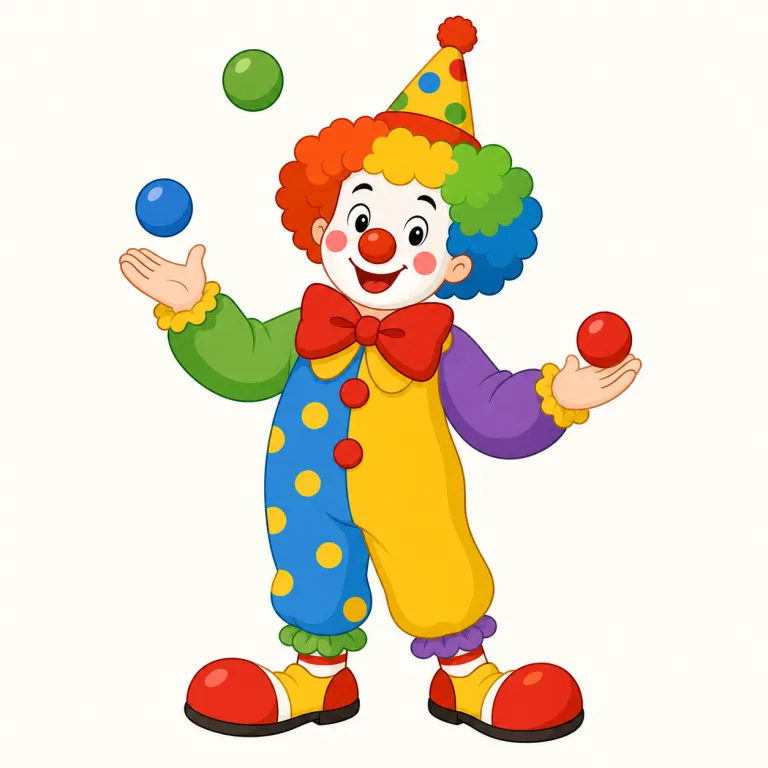
ユーモアやコミックな様子で他の人を笑わせることを職業とする人です。顔を塗ったり、こっけいな動作をして観客を楽しませます。
A clown is a performer who wears unusual clothes and makeup to make people laugh, especially in a circus or children's show. The word can also describe someone who behaves in a silly or foolish way. In that second meaning, it can sound slightly negative.
覚え方のコツ Memory Tip
clown はまず circus clown「サーカスのピエロ」という定番の組み合わせで、舞台や客席を笑わせる具体的な場面ごと覚えるのがコツです。comedian が話術やネタで笑わせる人なのに対し、clown は白塗り、派手な衣装、誇張した身ぶりなど“見た目と動き”の滑稽さが中心。さらに act like a clown で「道化のようにふざける」、clown around で「悪ふざけする」まで押さえると、名詞の意味から動詞的な広がりへ自然につながって記憶に残ります。
Remember `clown` through the fixed image of a `circus clown`. A `comedian` mainly uses words and jokes, but a clown is easier to picture through costume, face paint, and exaggerated movement. The phrases `act like a clown` and `clown around` help the word stay active in memory.
例文
The clown made the children laugh.
その道化師は子供たちを笑わせました。
The circus has a clown.
そのサーカスには道化師がいます。
He dressed as a clown for the party.
彼はパーティーで道化師の格好をしました。
ばか者
(意味 2)
解説 Definition
愚かな言動をする人を軽蔑したり非難したりして「ばか者」と呼ぶ比喩的な名詞。実際の職業としての「ピエロ」ではなく、判断や振る舞いがばかげていると評するときに使う。親しい間柄では冗談めかして使うこともあるが、相手に直接言うと失礼になりやすい。
A person criticized for foolish behavior or poor judgment. This informal label can be joking among friends, but it can also be insulting.
覚え方のコツ Memory Tip
この語義の clown は、愚かな判断や振る舞いをする人を非難する「ばか者」です。call someone a clown や look like a clown の形を、「人を楽しませるピエロ」ではなく「ばかなことをして笑われる人」という場面に結びつけると覚えやすいです。侮辱的になり得る語なので、使う相手には注意します。
Picture someone being laughed at for making a foolish decision. Connect call someone a clown and look like a clown with that situation, and remember that the label can offend.
例文
Only a clown would ignore such a clear warning.
あれほど明確な警告を無視するのは、ばか者くらいだ。
He looked like a clown after telling such an obvious lie.
あんな見えすいたうそをついて、彼はばか者のように見えた。
Don't be a clown and risk your job over a silly argument.
くだらない口論のために仕事を危険にさらすような、ばかなまねはするな。
clown の類義語・関連語
clown の語源・成り立ち Etymology
clown は16世紀英語に現れ、低地ドイツ語・フリジア語系の「不器用な人」を表す語に由来すると考えられる。もとは「田舎者・無骨者」だったが、その滑稽さから舞台の道化役を指すようになり、「ピエロ」の意味へ進んだ。関連語は clownish, clowning。
Clown appeared in English in the 16th century and is thought to come from Low German or Frisian words for a coarse or awkward person. At first it meant a rustic or an unpolished countryman. Because such people were often treated as comic figures, the word later shifted to mean a stage fool or comic performer. Related words include clownish and clowning.
同じレベルの語彙をもっと
外部辞書で調べる
この英単語をクイズで覚えよう