contention
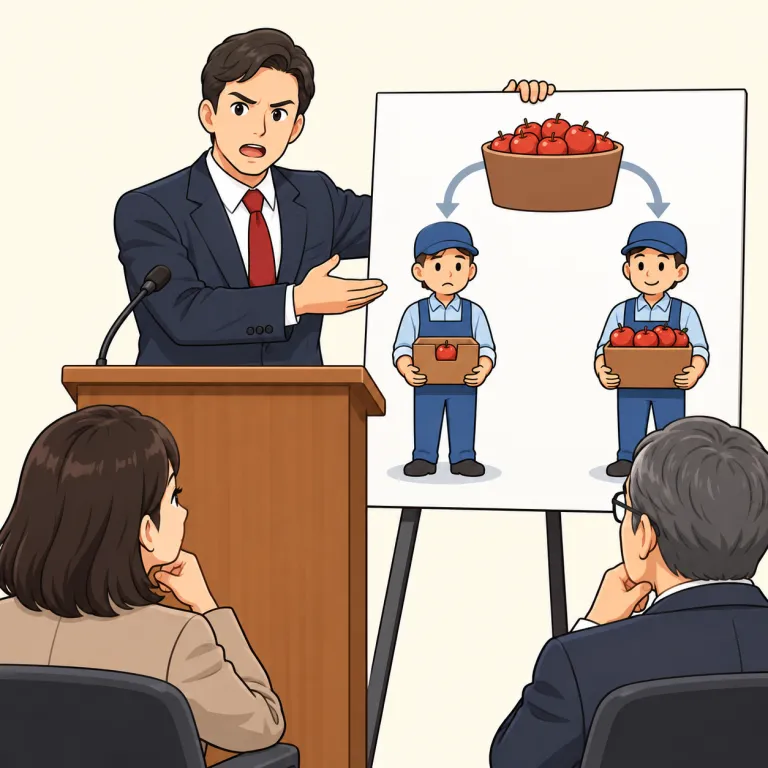
contention は英検準1級レベルの英単語で、「主張、論争、対立」という意味があります。発音記号は /kənˈtɛnʃən/ です。
意味一覧 (2件)
主張
解説 Definition
議論や文章の中で、ある立場や考えを強く述べること、またはその主張内容を指す名詞。特に his contention is that ... の形で『彼の主張は...だ』のように使われ、論点や意見の中心を示すときによく用いられる。
Contention is a statement, belief, or argument that someone strongly maintains is true. It is often used in formal writing, debates, or legal discussions. In some contexts, it can also mean disagreement or conflict.
覚え方のコツ Memory Tip
contention は contend(争う・強く主張する)の名詞形として覚えると定着しやすいです。-ion で「行為・内容」を表すので、「強く主張すること/その主張」という形が見えます。軽い opinion ではなく、議論の中で相手の反論を受けても押し出す主張という響き。特に his contention is that ... をひとかたまりで覚えると実際に読みやすくなります。content(内容)と見た目が近いので混同注意。文脈によっては『争点・論争』の含みも出る語です。
Connect it to the verb `contend`, which means to argue or state something strongly. The ending `-ion` makes it a noun, so `contention` is the strong claim or argument itself. It feels stronger than a simple `opinion`, especially in debate or formal writing. `His contention is that ...` is a useful pattern to remember.
例文
His main contention is that the policy is unfair.
彼の主な主張は、その政策が不公正だということだ。
Her contention that the report was incomplete delayed the vote.
報告書が不完全だという彼女の主張のため、採決は遅れた。
The author's central contention is explained in the first chapter.
著者の中心的な主張は第1章で説明されている。
えいたんごクイズでの正答率
この語をはじめて出題された 30人 のうち 18人 が正解しました(60%)。
えいたんごクイズの回答から集計した独自データです。1人につき最初に出題されたときの1回だけを数えており、復習や2回目以降の回答、「わからない」と時間切れは含みません。 集計時点は 2026年9月19日 です。
論争、対立
(意味 2)
解説 Definition
人や集団の間で意見や利害がぶつかり、対立や論争が続いている状態を表す名詞。政策、権利、費用負担などをめぐって関係者の間に摩擦が生じる文脈でよく使われ、単なる意見の提示ではなく衝突や不一致を含む点が特徴。
A state of disagreement or conflict between people or groups whose opinions or interests clash. It often concerns issues such as policies, rights, or responsibility for costs.
覚え方のコツ Memory Tip
contention は contend「争う・競う・強く主張する」から、意見や利害がぶつかっている状態と覚えると定着しやすいです。軽い disagreement より、関係者の間に摩擦があり、論争や対立が続く感じがあります。a source of contention は「対立の原因・争点」として頻出です。content(内容)と見た目が近いので混同に注意しましょう。
Connect contention with contend, meaning to struggle or compete, and picture groups pulling in opposite directions. Remember "a source of contention" as something that causes continuing disagreement.
例文
The new policy caused contention among the staff.
その新しい方針は職員の間に論争を引き起こした。
Land rights have long been a source of contention between the two groups.
土地の権利は長年、二つの集団の間の対立の原因となってきた。
After months of contention, the committee finally reached a compromise.
何か月もの対立の末、その委員会はついに妥協点に達した。
contention の類義語・関連語
contention の語源・成り立ち Etymology
ラテン語 contendere(激しく張り合う)が語源で、con-「共に」+ tendere「張る・伸ばす」から成ります。互いに綱を引き合うように力を張りつめて競う感覚が「争い」になり、tension や tend も同じ語根です。
Contention comes from Latin contendere, meaning "to strive" or "to struggle eagerly." It is built from con-, "together," and tendere, "to stretch." The original image is of people pulling or straining against each other, which developed into the sense of dispute, conflict, or argument. Related English words include contend, tension, and tend.
同じレベルの語彙をもっと
英検準1級の一覧へ →外部辞書で調べる
この英単語をクイズで覚えよう