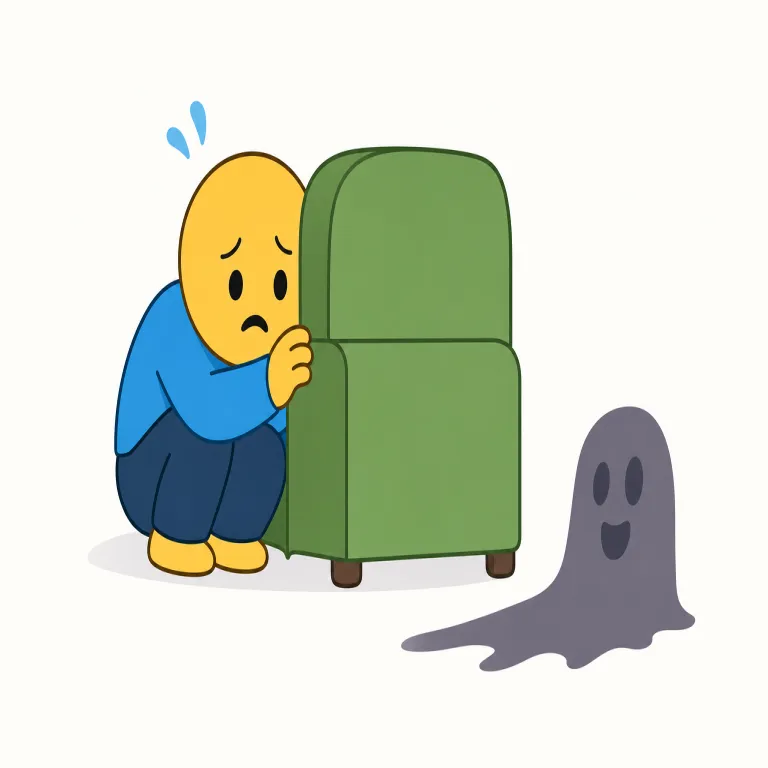
coward
coward は英検準1級・TOEIC 860・TOEFL 80・IELTS 6.5レベルの英単語で、「臆病者」という意味があります。発音記号は /ˈkaʊɚd/ です。
臆病者
解説 Definition
危険や困難、痛みや非難を恐れて、立ち向かうべき場面でも逃げ腰になる人を指す名詞。道徳的にずるい人というより、勇気がなく臆してしまう人という意味合いが中心で、軽い侮蔑を含んで使われる。
A coward is a person who is not brave and avoids danger, difficulty, or pain because of fear. It is usually a negative word and is often used to criticize someone's behavior.
覚え方のコツ Memory Tip
coward は「勇気がない人」を表す強めの語で、単に shy(人見知り)や timid(おどおどした)よりも、怖さのせいで引いてしまう感じがある。brave の反対側に置いて覚えると定着しやすい。よく run away like a coward, call someone a coward の形で出るので、「向き合う場面で逃げる人」という場面ごと覚えるとよい。形の近い cowardly は形容詞、cowardice は名詞でセット化すると混同しにくい。
Put `coward` next to `brave` as its opposite. A coward is not just quiet or shy; it suggests someone pulls back because of fear. Common phrases like `run away like a coward` or `call someone a coward` make the image easier to remember.
例文
They called him a coward because he ran away.
彼が逃げたので、皆は彼を臆病者と呼んだ。
A coward always finds excuses to avoid difficult situations.
臆病者は、難しい状況を避けようとしていつも言い訳をする。
She faced her fear and was no coward.
彼女は恐怖に立ち向かい、臆病者ではなかった。
えいたんごクイズでの正答率
この語をはじめて出題された 36人 のうち 27人 が正解しました(75%)。
えいたんごクイズの回答から集計した独自データです。1人につき最初に出題されたときの1回だけを数えており、復習や2回目以降の回答、「わからない」と時間切れは含みません。 集計時点は 2026年9月19日 です。
coward の類義語・関連語
紛らわしい語
coward の語源・成り立ち Etymology
coward は古フランス語 couard に由来し、語幹はラテン語 cauda「尾」です。尾を巻く動物の姿から「しりごみする人」を表すようになったので、卑怯者の意味に体の動きの比喩が残っています。queue や caudal も同じ「尾」の語根です。
Coward came into English from Old French couard. It is linked to Latin cauda, meaning "tail," and probably referred to an animal pulling in or lowering its tail in fear. That image led to the idea of a person who shrinks back from danger. Related words from the same root include caudal and queue.
同じレベルの語彙をもっと
英検準1級の一覧へ →外部辞書で調べる
この英単語をクイズで覚えよう