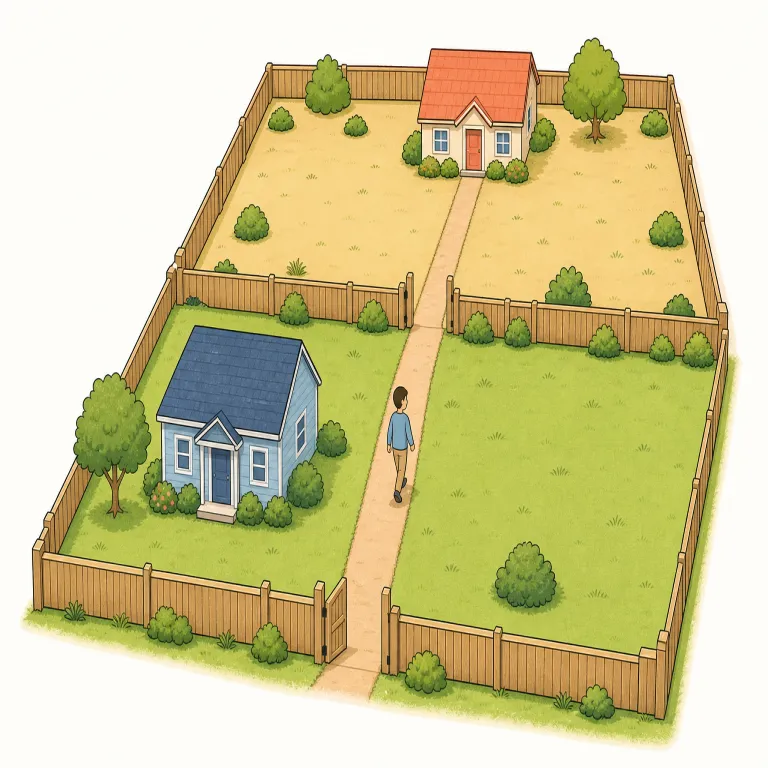
地役権
解説 Definition
不動産に関する法律用語で、ある土地の所有者が他人の土地に対して持つ権利です。道路や水道などの利用権を指します。
An easement is a legal right to use part of someone else’s land for a specific purpose, such as a path, road, or utility line. It does not mean you own the land. This word is mainly used in law, property, and real estate contexts.
覚え方のコツ Memory Tip
ease を知っていれば、「負担を軽くして土地を使いやすくするもの」と連想すると残りやすい。easement は土地そのものを渡すのではなく、通行・配管・排水など特定の利用だけを認めて、隣地利用を ease する権利。-ment は development, movement と同じく「結果・仕組み」を作る名詞語尾。法律文脈では right of way などと一緒に出やすい。ownership の移転でも、lease のような全面的使用でもない点を対比で覚える。
Start with `ease`: an easement makes land use easier in one specific way. The ending `-ment` often names a system or result, like in `movement` or `agreement`. Remember it with phrases like `right of way` and contrast it with full ownership or a lease.
例文
An easement allows passage through the property.
地役権があれば、その土地を通行できます。
The farmer has an easement to use the stream.
農夫は小川を利用する地役権を持っています。
An easement protects a neighbor's right to use the driveway.
地役権は、隣人が私道を利用する権利を保護します。
easement の類義語・関連語
easement の語源・成り立ち Etymology
easement は ease「楽にする・負担を軽くする」に名詞語尾 -ment が付いた語で、ease は古フランス語 aise「気楽さ」にさかのぼります。土地利用を“しやすくする権利”という発想から、法律では「地役権」の意味になりました。easy, uneasy も同系です。
Easement comes from ease plus the noun ending -ment. Ease entered English from Old French aise, meaning comfort or freedom from difficulty. The idea first was something that makes life or use easier, and in law it developed into a right that makes the use of land easier. Related English words include easy and uneasy.
同じレベルの語彙をもっと
外部辞書で調べる
この英単語をクイズで覚えよう