
interpretation
interpretation は英検2級・TOEIC 860・TOEFL 80・IELTS 6.5レベルの英単語で、「解釈、通訳、演じ方、表現」という意味があります。発音記号は /ɪnˌtɝːprəˈteɪʃən/ です。
意味一覧 (3件)
解釈
解説 Definition
文章・発言・出来事・芸術作品などの意味をどう理解し説明するかという「解釈」を表す名詞。同じ対象でも立場や根拠によって複数のinterpretationが成り立ち、法律・文学・演劇批評など幅広い分野で使われる。
Interpretation is a particular way of understanding or explaining the meaning of something. It is often used for books, art, laws, data, or events. Different people can have different interpretations of the same thing.
覚え方のコツ Memory Tip
まず動詞 interpret を押さえると覚えやすいです。interpret は「意味を読み取り、人に分かる形で示す」で、-ation が付くとその結果としての「解釈」という名詞になります。point や fact のような客観情報そのものではなく、an interpretation of the text / law のように「その内容をどう読むか」という理解のしかたを表す語です。opinion より根拠ある読み取りに寄り、translation のような単なる訳文とも区別して覚えると混同しにくくなります。different interpretations と複数形で出やすいのも記憶のフックです。
Build it from interpret + -ation. Interpret is about reading meaning and explaining it, so interpretation is the result of that process. Remember the common pattern an interpretation of a text, a law, or an event.
例文
My interpretation of the story is very different.
その物語に対する私の解釈は大きく異なります。
We had different interpretations of his words.
彼の言葉について、私たちの解釈は異なっていました。
The teacher explained her interpretation of the poem.
先生はその詩について自分の解釈を説明しました。
えいたんごクイズでの正答率
この語をはじめて出題された 47人 のうち 27人 が正解しました(57%)。
えいたんごクイズの回答から集計した独自データです。1人につき最初に出題されたときの1回だけを数えており、復習や2回目以降の回答、「わからない」と時間切れは含みません。 集計時点は 2026年9月19日 です。
通訳
(意味 2)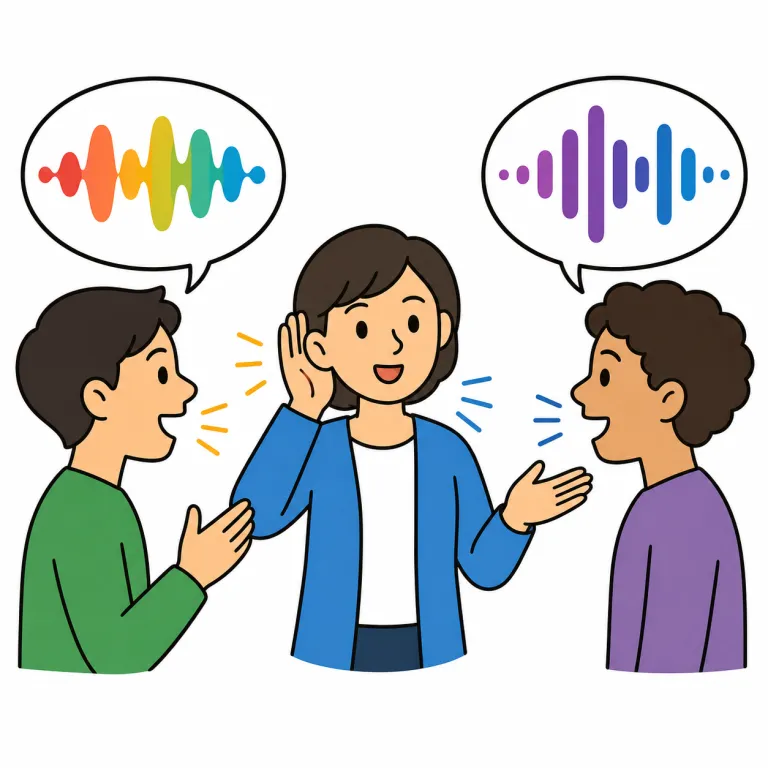
解説 Definition
言語の内容をその場で別の言語に伝えることを指す名詞。会議・授業・医療現場などで、話し手の発言を聞き手に分かる言語へ口頭で伝える場面で使われる。文脈によっては通訳という行為だけでなく、その通訳内容やサービス全体を指すこともある。
The act or service of conveying what someone says orally in another language so listeners can understand. It is used in settings such as conferences, interviews, and medical appointments.
覚え方のコツ Memory Tip
まず動詞 interpret を「意味を取り、人に分かる形で伝える」と押さえると覚えやすいです。interpretation は text や law の「解釈」だけでなく、会議や面接で話し手と聞き手の間に立ち、発言を別の言語で伝える「通訳」も表します。translation が書かれた文の訳に寄りやすいのに対し、simultaneous interpretation, interpretation during the interview のように、口頭でその場の意味を橋渡しする場面で使われます。different interpretations の「解釈」と切り分け、ここでは言語間の仲介サービスとして覚えるとよいです。
Picture an interpreter standing between a speaker and a listener, carrying the spoken message across languages. Learn simultaneous interpretation and interpretation during an interview to connect the noun with this service.
例文
Simultaneous interpretation was provided at the conference.
その会議では同時通訳が提供された。
The interpretation she provided during the interview was clear and accurate.
面接で彼女が行った通訳は明瞭で正確だった。
Without interpretation, the doctor and the patient could not communicate.
通訳がなければ、医師と患者は意思疎通できなかった。
演じ方、表現
(意味 3)
解説 Definition
演技・演奏・朗読などで、作品や役柄をどう表すかという仕方を指す名詞。同じ台本や楽譜でも人によって表現は異なり、感情の出し方、テンポ、強調点などにその人らしさが表れる。批評では、その独自性や説得力を評価するときによく使う。
A performer's particular way of expressing a role, piece of music, or other work. Choices about emotion, pace, and emphasis show how the performer understands the work.
覚え方のコツ Memory Tip
interpret は「意味を読み取り、それを形にして示す」という動詞です。演技や演奏では、台本や楽譜をどう読み取り、声・動き・音でどう表すかが interpretation になります。同じ役や曲でも人によって interpretation が変わる、と考えると「演じ方、表現」の語義に結びつきます。単なる performance より、作品理解が表れた表現という感じで覚えるとよいです。
Connect interpret with understanding a work and showing that understanding through voice, movement, or sound. Picture two actors playing the same role differently: each brings a distinct interpretation.
例文
Her interpretation of Hamlet was quiet but powerful.
彼女のハムレットの演じ方は静かだが力強かった。
The pianist's interpretation of the sonata felt unusually intimate.
そのピアニストのソナタの表現は、ひときわ親密に感じられた。
Each actor brought a different interpretation to the same role.
同じ役でも、俳優ごとに異なる表現の仕方があった。
interpretation の類義語・関連語
interpretation の語源・成り立ち Etymology
古フランス語 interpretacion、さらにラテン語 interpretatio に由来する。語幹 interpret- は inter-「間で」+ interpres「仲介者・通訳者」にさかのぼり、「間に立って意味を渡す」感覚から「解釈・通訳」の語になった。関連語は interpret, interpreter。
Interpretation came into English through Old French from Latin interpretatio. It is connected with interpres, meaning "agent," "go-between," or "translator," with the sense of standing between two sides and explaining meaning. From that idea, the word developed into both "explaining meaning" and "translating speech." Related words include interpret and interpreter.
同じレベルの語彙をもっと
英検2級の一覧へ →外部辞書で調べる
この英単語をクイズで覚えよう