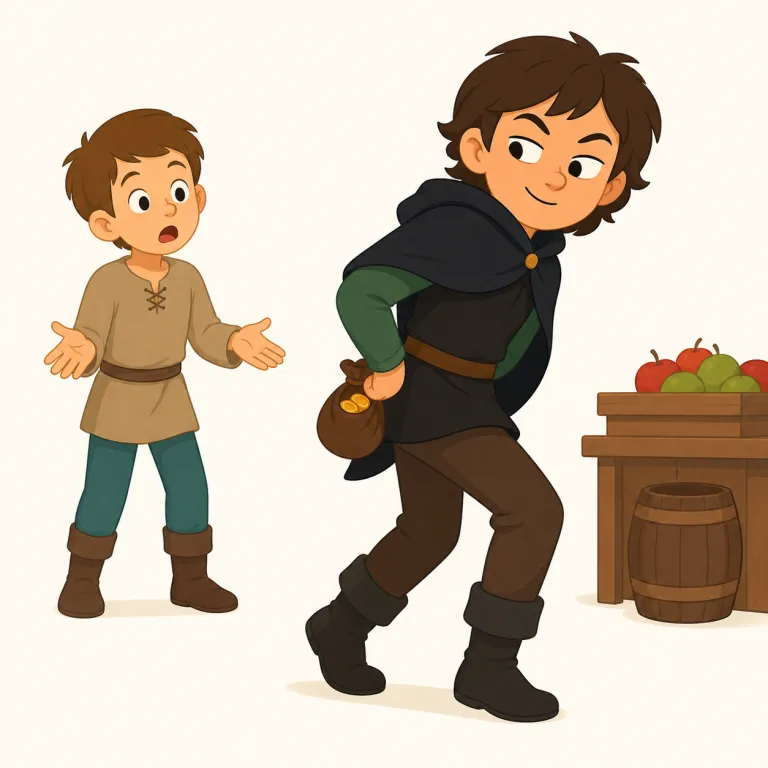
knave
knave は英検1級レベルの英単語で、「悪党」という意味があります。発音記号は /ˈneɪv/ です。
悪党
解説 Definition
不正直で悪意のある人を意味する。詐欺師や悪党。歴史的にはトランプゲームのジャック札を指していました。
A knave is an old-fashioned word for a dishonest or untrustworthy man. It often appears in literature, historical writing, or stories rather than everyday modern speech. The word has a strong negative feeling and suggests bad character.
覚え方のコツ Memory Tip
語頭の kn- は knife, knee, know と同じで k を読まない形なので、まず「ネイヴ」と音で固定する。つづりは naive に少し似るが別語で、意味はむしろ正反対に近いので混同注意。knave は単なる criminal よりも、『ずるい・だます・信用できない』側に寄った悪党で、rogue や scoundrel に近い。やや古風で物語・歴史物に出やすく、現代口語の bad guy より『人を欺く悪漢』の像で覚えると残りやすい。トランプの jack の古い呼び名でもある。
First remember the pronunciation: the `k` is silent, like in `knee` and `knife`. The spelling may look a little like `naive`, but the meaning is very different. `Knave` is an old-fashioned word for a dishonest, tricky bad person, often in stories or historical writing.
例文
The knave swindled hundreds of people out of their savings.
その悪党は何百人もの人々から貯金をだまし取った。
In old English playing cards, a knave held a lower rank than the king.
昔のイギリスのトランプではナイブは王より低いランクを持っていました。
Stay away from that knave; he cannot be trusted.
その悪党には近づくな。信用できない。
knave の類義語・関連語
knave の語源・成り立ち Etymology
knave は古英語 cnafa「少年・召使い」に由来し、さらにゲルマン祖語 *knabon- へさかのぼります。もとは下僕や身分の低い若者を指し、そこから「卑しい者」→「悪党」へ意味が悪化した語です。関連語は knavish、knavery。
`Knave` comes from Old English `cnafa`, meaning "boy" or "servant," and goes back to an older Germanic root. It first referred to a young male servant or person of low rank. Over time, the meaning became more negative and developed into "dishonest man" or "rogue"; related words are `knavish` and `knavery`.
同じレベルの語彙をもっと
英検1級の一覧へ →外部辞書で調べる
この英単語をクイズで覚えよう