lead to
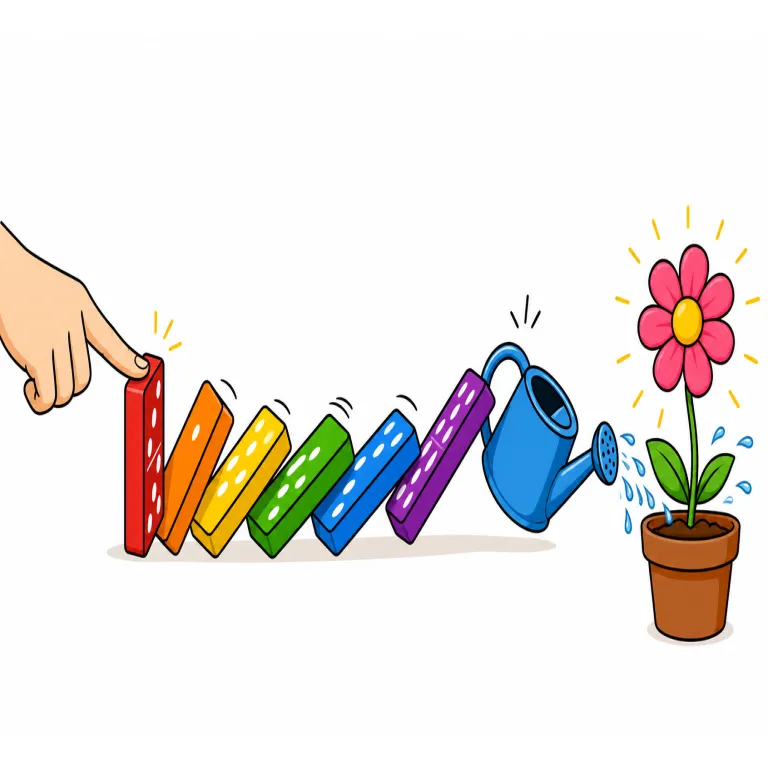
lead to は英検準2級・TOEIC 600レベルの英熟語で、「結果を招く、〜につながる、〜に通じる」という意味があります。発音記号は /ˈliːd tuː/ です。
結果を招く
解説 Definition
ある出来事や行動が、その後の結果として別の状況を引き起こすことを示す表現。報告や論説で因果関係を丁寧に述べるときに使い、結果を目的語として置く。
To lead to something means to cause it to happen or to result in it. It is often used when one action, event, or condition produces another. The result can be positive, negative, or neutral.
覚え方のコツ Memory Tip
核は lead「導く」。人を場所へ導くイメージを、そのまま「ある出来事が結果へ導く」に広げると覚えやすいです。to は到達点なので、後ろには result, problems, confusion, success など“行き着く先”が来る感覚。cause より少し説明的で、レポートやニュースで因果関係を落ち着いて述べるときによく使います。Smoking leads to cancer. のように原因→結果の矢印で覚えると定着します。lead 人 to 場所 と、結果を招く lead to 結果 を区別すると混乱しません。
Start with the basic image of `lead`: showing the way to a place. Then extend that image to cause and result, where one thing leads to another. The `to` shows the destination, so remember common endings like `lead to problems`, `lead to success`, or `lead to confusion`.
例文
Long hours of screen time can lead to headaches.
長時間画面を見続けることは頭痛につながることがある。
A lack of training can lead to mistakes on the job.
訓練不足は職場でのミスにつながりやすい。
We hope these talks will lead to an agreement.
私たちは、この話し合いが合意につながることを願っています。
〜につながる
(意味 2)
解説 Definition
ある行動・出来事・判断が、その後の状態や機会を生み出し、次の段階へ進むきっかけになることを表す。良い結果にも悪い結果にも使え、「結果を招く」より中立的で、原因から先の展開までを広く述べるときに用いる表現だ。
To bring about a later situation, result, or opportunity. This expression connects an action, event, or decision with what develops from it, whether the outcome is good or bad.
例文
Regular exercise can lead to better sleep.
規則的な運動は睡眠の質の向上につながる。
Her internship led to a full-time job.
彼女のインターン経験はフルタイムの職につながった。
Small changes can lead to big improvements over time.
小さな変化が時間をかけて大きな改善につながることがある。
〜に通じる
(意味 3)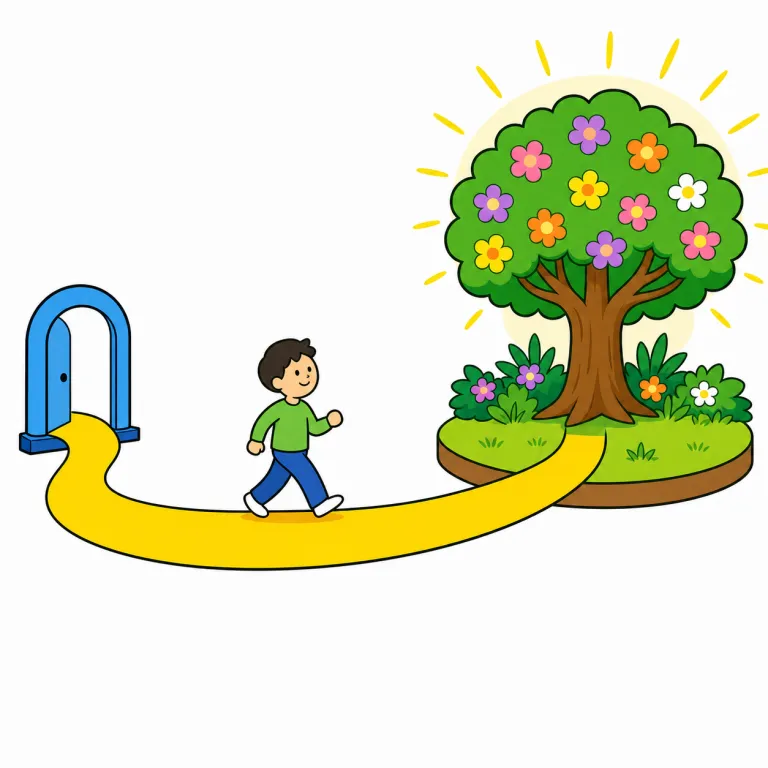
解説 Definition
道・廊下・扉・階段などが、ある場所へ続いていて、そこへ行けることを表す。建物の構造や道順を説明するときによく使い、「〜につながる」よりも空間的で具体的な移動経路の感覚が強く、案内表示や地図の説明でもよく見られる。
To provide a route or opening through which someone can reach a particular place. Roads, hallways, doors, and stairs can be the subject when explaining directions or a building's layout.
覚え方のコツ Memory Tip
核は lead「導く」。人を場所へ導くイメージを、道や廊下そのものが「そこへ連れていく」と考えると覚えやすいです。to は到達点なので、後ろには the main office, the beach, the exit など実際に行き着く場所が来る感覚。This hallway leads to the office. のように、空間のつながりを説明する表現として定着させるとよいです。原因が結果を招く lead to result もあるが、この語義では“道筋が場所に通じる”と切り分けると混乱しません。
Imagine a path acting as a guide that takes you to a destination. In lead to the beach or lead to the exit, to points to the physical place you can reach. Picture following that route all the way to its destination.
例文
This hallway leads to the main office.
この廊下は本館の事務室に通じている。
A narrow path leads to the beach.
細い小道が浜辺に通じている。
The back door leads to the garden.
裏口は庭に通じている。
lead to の類義語・関連語
lead to の語源・成り立ち Etymology
leadは古英語lǣdan(導く)から。原義は「道を示して連れていく」で、toで到達点を示し「ある結果へ導く→招く」となった。関連語: leader(指導者)、mislead(誤導する)。道案内が転じて因果関係を表すようになった。
Lead comes from Old English laedan, meaning "to guide" or "to bring along a path." Related words include leader and mislead. In lead to, the literal idea of guiding someone to a place became a figurative one, so it came to mean causing something to reach a certain result.
同じレベルの語彙をもっと
英検準2級の一覧へ →外部辞書で調べる
この英熟語をクイズで覚えよう