乱暴に扱って傷める
verb 動詞物を乱暴に扱い、形や表面をひどく傷めたり台無しにしたりすることをいう。荷物・衣服・書類などを目的語に取り、受け身でもよく使われる。襲撃ではなく、粗雑な取り扱いによる損壊を表す点が既存語義と異なる。
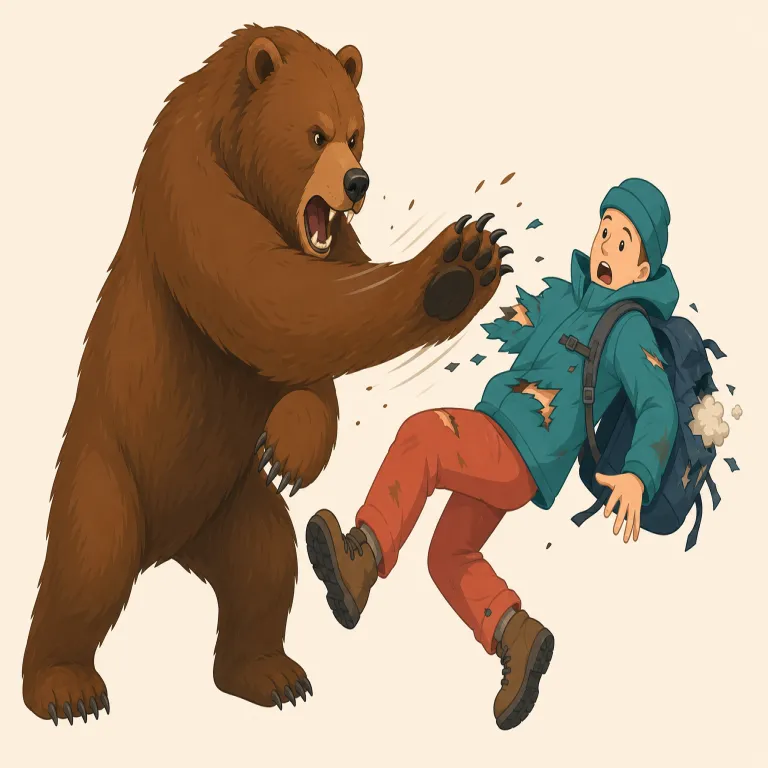
人や動物が相手に激しく襲いかかり、深い傷を負わせることを表す動詞。単に傷つけるより暴力性が強く、引き裂くような激しさを含む。比喩的には、批評や報道で相手を容赦なく酷評する意味でも使われる。
To maul means to attack someone or something in a very violent way and cause serious injury or damage. It can also mean to handle or criticize something so roughly that it is badly harmed. The word is strong and is often used for animal attacks or harsh treatment.
maul は hurt や injure よりずっと荒っぽく、attack の中でも「噛みつく・引き裂く・めった打ちにする」級の激しさを足して覚えると残りやすい。ニュースでは be mauled by a bear / dog の形が典型で、動物にひどく襲われる場面と結びつける。比喩では critics mauled the film のように「作品や案を容赦なく酷評する」。単なる criticize ではなく、相手をボロボロにする感じまで含む語。
Think of `maul` as much rougher than `hurt` or `injure`. News reports often say someone was `mauled by a bear` or `mauled by a dog`, so connect it with a violent animal attack. It is also used for strong criticism: critics can `maul` a film or a plan.
The angry crowd began to maul the suspect during the confrontation.
怒った群衆は対立の最中に容疑者に襲いかかり、ひどい暴行を加え始めた。
The wild animal would maul anyone who came too close to its territory.
その野生動物は、自分の縄張りに近づきすぎた者をひどく傷つけるだろう。
The critics mauled his new film in their harsh reviews.
評論家たちは厳しいレビューで彼の新作映画をボロクソに酷評した。
文脈によって、次の意味でも使われます。
物を乱暴に扱い、形や表面をひどく傷めたり台無しにしたりすることをいう。荷物・衣服・書類などを目的語に取り、受け身でもよく使われる。襲撃ではなく、粗雑な取り扱いによる損壊を表す点が既存語義と異なる。
重い頭部と長い柄を備え、杭を打ったり薪を割ったりするための大型の槌を指す。特にsplitting maulは、斧に似たくさび形の頭部を持つ薪割り道具で、通常のhammerより重く強い打撃を与える。
maul は古フランス語 mail を経て、ラテン語 malleus「ハンマー」にさかのぼります。もともとの核は「大槌で打つ」で、道具名の感覚がそのまま「乱打してひどく傷つける」という動詞に伸びました。関連語の mallet や mall を見ると、強く打つイメージが共通しています。
Maul comes through Old French mail from Latin malleus, meaning "hammer." The earliest idea was striking with a heavy hammer or mallet. From that, the meaning grew into "attack roughly" or "injure by repeated blows." Related words include mallet and mall.
この英単語をクイズで覚えよう