pave
pave は英検準1級・TOEIC 860・TOEFL 80・IELTS 6.5レベルの英単語で、「舗装する、道を開く」という意味があります。発音記号は /ˈpeɪv/ です。
意味一覧 (2件)
舗装する
解説 Definition
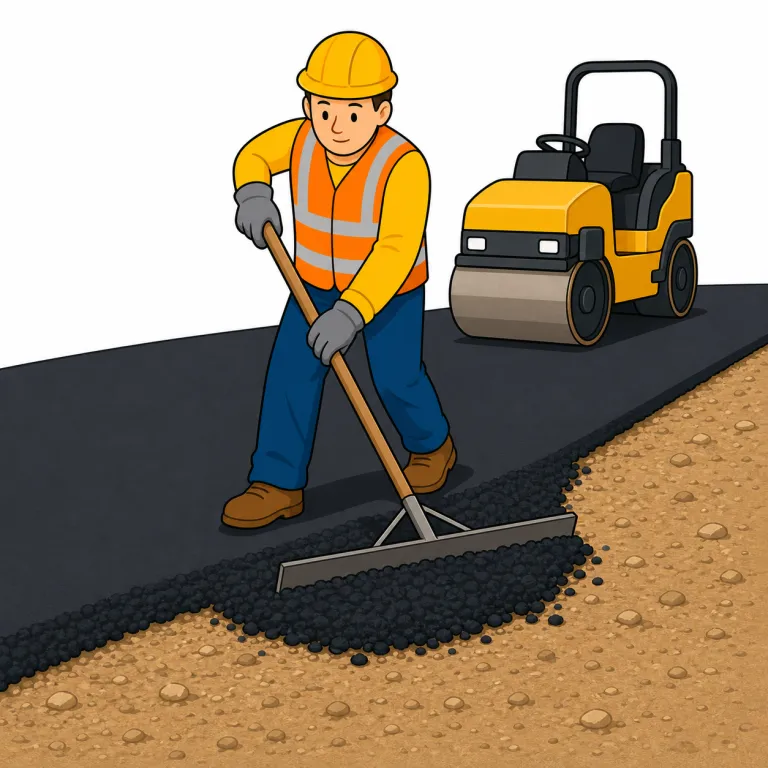
道路や通路の表面に石、コンクリート、アスファルトなどを敷いて、通りやすくすることを指します。比喩的には pave the way for ... の形で、新しい機会や可能性への道を整えることを意味します。
To pave means to cover a road, path, or surface with a hard material such as stone, concrete, or asphalt. It is often used in construction and road work. The phrase "pave the way" is also common and means to make something easier to happen.
覚え方のコツ Memory Tip
pavement(歩道・舗装道路)を知っていると覚えやすい語です。pave はその動詞版で、「道を舗装する」が基本。まず concrete や asphalt で表面をならし、通りやすくする場面を思い浮かべると定着します。比喩では pave the way for ... が重要で、「…への道をならす」→「実現しやすくする」。make possible よりも、前もって条件を整える感じが強い語です。
Link it to `pavement`, which is the road or hard surface under your feet. `Pave` is the verb form, so it means making that surface. Also remember the common phrase `pave the way for`, which uses the road image in a figurative way.
例文
The construction company will pave the street next month.
建設会社は来月道路を舗装します。
Her success helped pave the way for other women in the field.
彼女の成功は業界の他の女性のために道を開きました。
The government plans to pave rural roads to improve connectivity.
政府は交通の便をよくするために地方道路を舗装する予定です。
道を開く
(意味 2)
解説 Definition
主に pave the way for の形で、物事が実現しやすくなるよう下地を作ることを表す。自分で直接それを行うのではなく、障害を減らしたり条件を整えたりして、次の行動や変化、成功につなげる語。政策、研究、交渉など少し硬めの文脈でよく使う。
To create favorable conditions that make a later development, action, or success easier. It is mainly used in the expression “pave the way for,” especially in formal contexts involving policy, research, or negotiations.
例文
The new law paved the way for further reforms.
その新しい法律がさらなる改革への道を開いた。
Her research paved the way for a new treatment.
彼女の研究は新しい治療法への道を開いた。
Early discussions paved the way for the final agreement.
初期の話し合いが最終合意への道を開いた。
pave の類義語・関連語
類義語
対義語
pave を含む表現
句動詞・イディオムなど 3 件。クリックで各表現の詳細へ。
pave の語源・成り立ち Etymology
pave は古フランス語 paver を経て、ラテン語 pavire「地面を突き固める」にさかのぼります。もともと「たたいて平らに固める」感覚なので、道を石やアスファルトで整える意味になったのです。関連語は pavement, repave です。
Pave comes through Old French paver from Latin pavire, meaning "to beat down" or "make the ground firm." The early idea was flattening and hardening a surface by striking it. That later became the modern sense of covering a road or path with stone, concrete, or similar material. Related words include pavement and repave.
同じレベルの語彙をもっと
英検準1級の一覧へ →外部辞書で調べる
この英単語をクイズで覚えよう