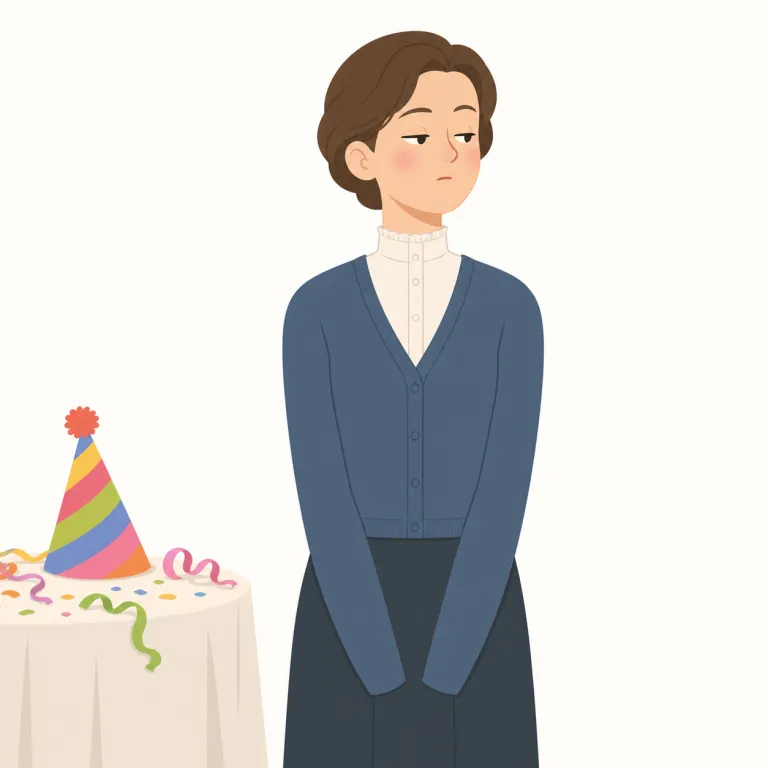
堅物
解説 Definition
道徳的に厳格で、性に関する事柄について過度に慎重または羞恥心が強い人のことです。古風な価値観を持ち、行動や表現が堅苦しい人を指します。
A prude is a person who is easily shocked or offended by sexual topics or behavior. The word is often used for someone seen as too strict or uncomfortable about these matters. It can sound critical or unfriendly, so it should be used carefully.
覚え方のコツ Memory Tip
「prudent(慎重な)」を知っているなら、その慎重さが道徳や性的話題で行き過ぎた人が prude、と置くと覚えやすいです。単なる serious や strict ではなく、服装・恋愛・下ネタに「それははしたない」と強く反応するタイプ。形容詞は prudish。"Don't be such a prude." のように、少しあきれたり批判したりする響きで使われる点もセットで記憶すると定着します。
Connect it with `prudent`, meaning careful, and imagine that careful attitude becoming too strict in social or sexual matters. That makes `prude` easier to remember than learning it alone. Also keep `prudish` nearby as the adjective form, and remember the common annoyed phrase `Don't be such a prude.`
例文
She was considered a prude for refusing to hear any sexual jokes.
彼女は性的な冗談を一切聞こうとしなかったため、堅物と見なされました。
Don't be such a prude; it's just a harmless joke.
そんなに堅苦しく考えるなよ。ただの他愛ない冗談だ。
My coworkers think I'm a prude because I object to flirting at work.
同僚たちは、私が職場での軽い恋愛めいたやり取りに反対するので、堅物だと思っています。
prude の類義語・関連語
対義語
派生語
紛らわしい語
prude の語源・成り立ち Etymology
フランス語prudeは元来「慎み深い女」の意で、さらに古フランス語prud/prode「立派な・有徳な」にさかのぼる。もとは褒め言葉なのに、行き過ぎた慎みを指す皮肉へ転じたのが面白い。同根語にproud、prowessがある。
Prude comes from French prude, which originally meant a modest or virtuous woman. It goes back to Old French prud or prode, meaning "worthy" or "valiant," so it began as a positive word. Later, the sense shifted toward excessive or narrow modesty, often with an ironic tone; related English words include proud and prowess.
同じレベルの語彙をもっと
外部辞書で調べる
この英単語をクイズで覚えよう