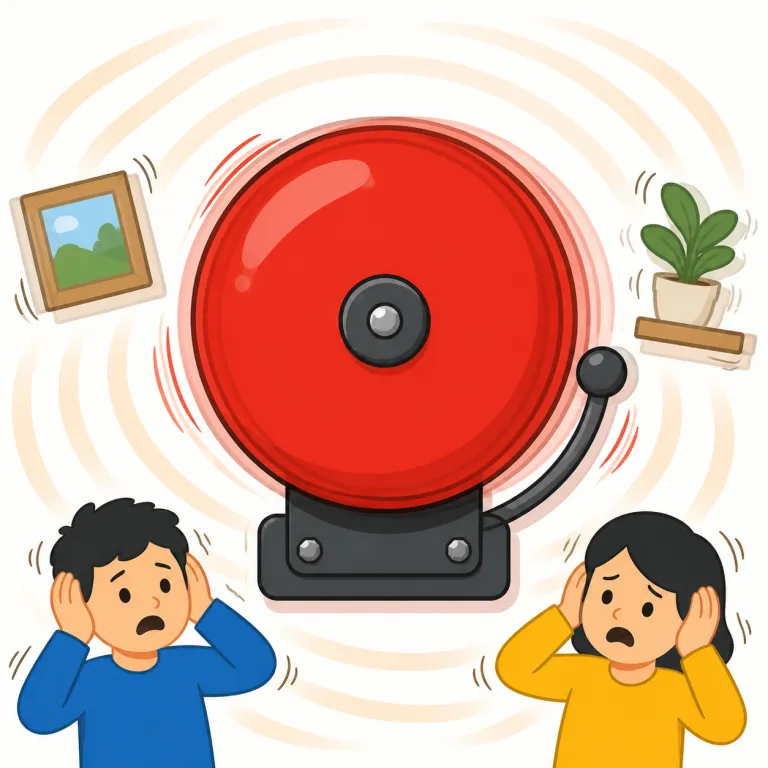
strident
strident は英検1級レベルの英単語で、「けたたましい」という意味があります。発音記号は /ˈstraɪdənt/ です。
けたたましい
解説 Definition
耳障りなほど大きく、不快感を与える高い音。また、強烈で激しい意見や主張を押し付けるような態度を表す。
Strident means very loud, harsh, and unpleasant to hear. It can also describe opinions, criticism, or behavior that feels too forceful or aggressive.
覚え方のコツ Memory Tip
strict, stress などの str- の強い響きを連想すると覚えやすい語。strident は『突き刺さるほど強い』感じで、単なる loud より不快さ・攻撃性まで含みやすい。a strident voice, strident criticism のように、耳障りな高い音にも、押しつけがましい主張にも使える。shrill は主に音の高さ、harsh は幅広い「きつさ」だが、strident は音や論調が神経にさわる感じ、とまとめると定着しやすい。
The strong opening `str-` can help you remember a sharp, forceful feeling. `Strident` is not just loud; it sounds unpleasant or aggressive, as in `a strident voice` or `strident criticism`. Link it with sound or opinions that really hurt your ears or nerves.
例文
The strident alarm woke everyone in the building at 3 AM.
けたたましい警報音が午前3時に建物内の全員を起こした。
His strident voice carried across the entire auditorium.
彼のけたたましい声は講堂全体に響き渡った。
The activist made strident calls for immediate government action.
その活動家は、政府に即時対応を強く求めた。
strident の類義語・関連語
strident の語源・成り立ち Etymology
stridentはラテン語stridere「きしる、甲高く鳴る」に由来し、語幹strid-が音のこすれる鋭さを表します。stridorやstridulationも同根で、「耳にきしむ音」と考えると、けたたましいという意味が腑に落ちます。
Strident comes from Latin stridere, meaning "to creak," "to shriek," or "to make a harsh sound." The word kept that sense of a sharp, scraping noise as it moved into English. Later it was also used more broadly for anything that sounds aggressively loud or harsh. Related words include stridor and stridulation.
同じレベルの語彙をもっと
英検1級の一覧へ →外部辞書で調べる
この英単語をクイズで覚えよう