
touch off
touch off は英検1級レベルの英熟語で、「引き起こす、点火する」という意味があります。発音記号は /ˈtʌtʃ ˈɔːf/ です。
意味一覧 (2件)
引き起こす
解説 Definition
発射させる、または何かを引き起こす・誘発する際に使う句動詞。もともとは爆発物に点火したり発射させたりする意味で使われ、そこから転じて、紛争・感情の爆発・連鎖反応などを誘発する比喩的な意味でも広く用いられる。
To touch off something means to cause it to begin suddenly, especially a strong reaction or serious event. It is often used for things like arguments, protests, panic, or explosions. The phrase usually suggests that one action starts a chain of events.
覚え方のコツ Memory Tip
touch は「触れる」、off は「そこで作動して一気に動き出す」感じでまとめて覚えるとよい句動詞です。軽く触れただけなのに、その後は止まらず展開していくイメージなので、「小さなきっかけが大きな出来事を引き起こす」と結びつけると定着します。touch off a debate / panic / explosion の形が頻出。単なる cause より、感情・議論・暴動などを誘発する連鎖反応っぽさが強いです。set off と近いですが、touch off は「触れて火がつく」感覚を持つと区別しやすいです。
Imagine lightly touching something and suddenly setting a chain reaction in motion. That image helps with "touch off": a small action causes a big result. It often appears with words like "debate," "panic," or "explosion." Compared with plain "cause," this phrase feels more sudden and reactive.
例文
The announcement touched off a heated debate on social media.
その発表がきっかけでSNS上に激しい議論が巻き起こった。
The stray spark touched off a small fire in the dry field.
飛んできた火花が乾いた野原で小さな火事を起こした。
One careless remark can touch off an angry argument.
一つの不用意な発言が激しい口論を引き起こすことがある。
点火する
(意味 2)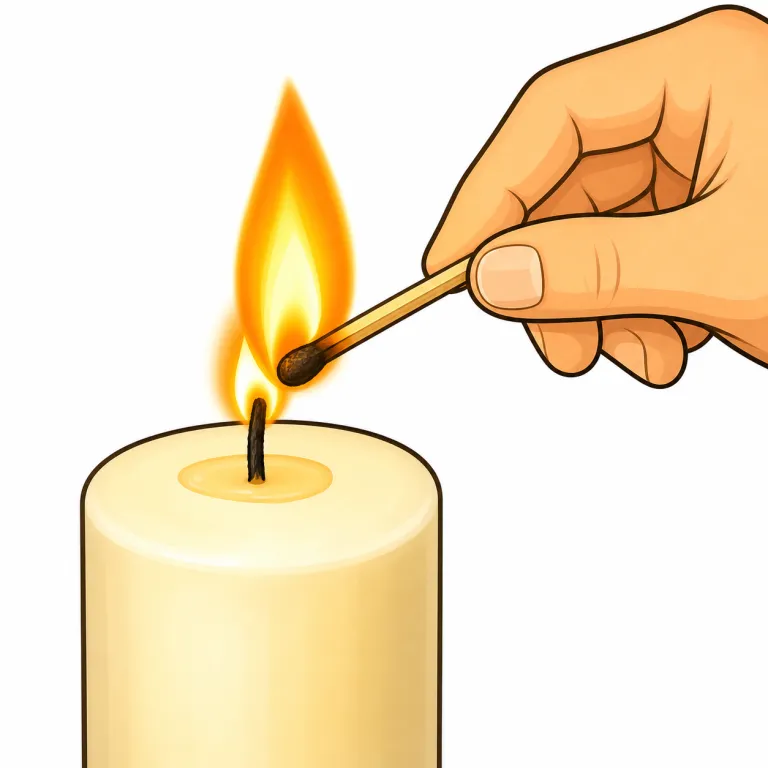
解説 Definition
可燃物や爆薬に火をつけて、燃焼や爆発を始めさせるときに使う。火花・装置・引き金などが直接のきっかけになる場面でよく用いられ、事故や軍事の文脈では「起爆する」「爆発させる」に近い意味になる。意図的な操作にも、不注意による着火にも使える。
This phrasal verb means to ignite a flammable substance or cause an explosive to detonate. A spark, device, deliberate action, or careless act may provide the direct trigger.
覚え方のコツ Memory Tip
touch off は「少し触れて off、火や爆発が作動する」と考えると覚えやすいです。火花が燃料に触れて点火する、導火線や爆薬を作動させる、という具体的な着火の場面を中心に押さえます。議論や騒動を引き起こす比喩もありますが、この語義では touch off the explosives や touch off the fuel のように、火がついて燃焼・爆発が始まることを思い浮かべます。set off と近く、どちらも起爆・点火の文脈で使われます。
Imagine a small touch activating something and making fire or an explosion go off. For this sense, connect the phrase with fuel, a fuse, or explosives rather than with its figurative use for starting an argument or disturbance.
例文
A spark from the battery touched off the fuel.
バッテリーの火花が燃料に点火した。
The soldiers touched off the explosives at dawn.
兵士たちは夜明けに爆薬を起爆した。
One cigarette could touch off a blast in the tunnel.
たばこ一本で坑道内の爆発を引き起こしかねなかった。
touch off の類義語・関連語
類義語
対義語
紛らわしい語
touch off の語源・成り立ち Etymology
touchは古フランス語tuchier(触れる)、offは古英語of(離れて)に由来。火薬に触れて点火する動作から「引き起こす」の意味に発展した。関連語:touchstone(試金石)、触発のイメージで覚えると良い。
Touch came from Old French touchier, meaning "to touch" or "strike," and off comes from Old English of, meaning "away" or "apart." The phrase was first used for setting off gunpowder by touching it so it ignited. From that physical image, it later developed the broader sense of causing something to begin suddenly.
同じレベルの語彙をもっと
英検1級の一覧へ →外部辞書で調べる
この英熟語をクイズで覚えよう