bump
bump は英検2級レベルの英単語で、「小さな盛り上がり、軽い衝突、軽くぶつかる、小幅増加」という意味があります。発音記号は /ˈbʌmp/ です。
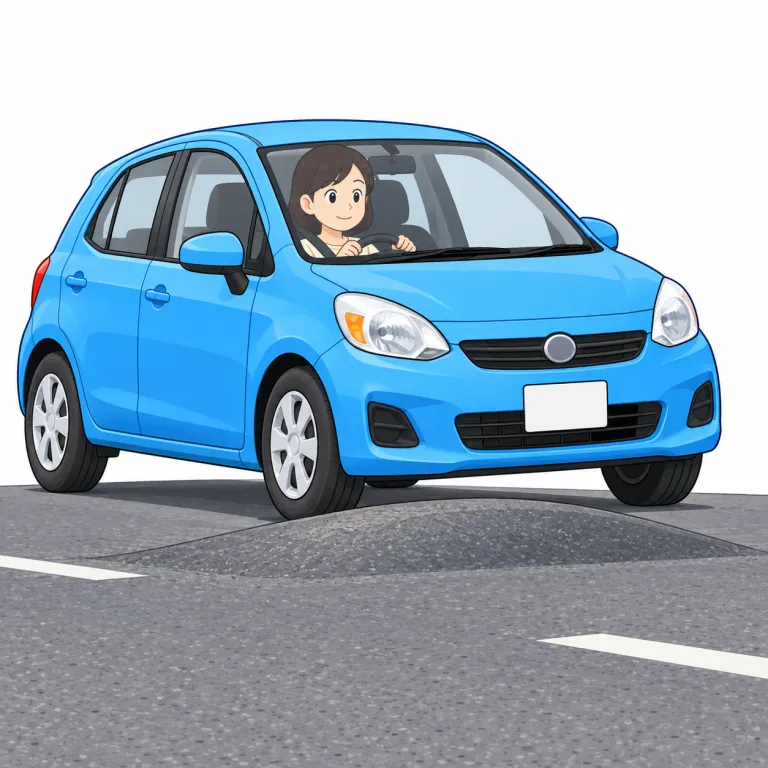
小さな盛り上がり
解説 Definition
表面や体にできた、小さく盛り上がった部分を指す名詞です。道路の隆起、頭や腕のこぶ、平らな面の出っ張りなどに使います。
A bump is a small raised area on a surface or on the body, such as a lump on the forehead or a raised place in a road.
覚え方のコツ Memory Tip
平らな面が一か所だけ「ポコッ」と盛り上がった姿を思い浮かべましょう。a bump on the head は頭のこぶ、a bump in the road は道路の隆起です。
Picture one small area rising above an otherwise flat surface. A bump on the head is a lump, while a bump in the road is a raised place.
例文
The bump in the road made the car shake.
道路の隆起で車が揺れました。
She had a small bump on her forehead.
彼女の額には小さなこぶがありました。
I felt a bump under the carpet.
カーペットの下に小さな盛り上がりを感じました。
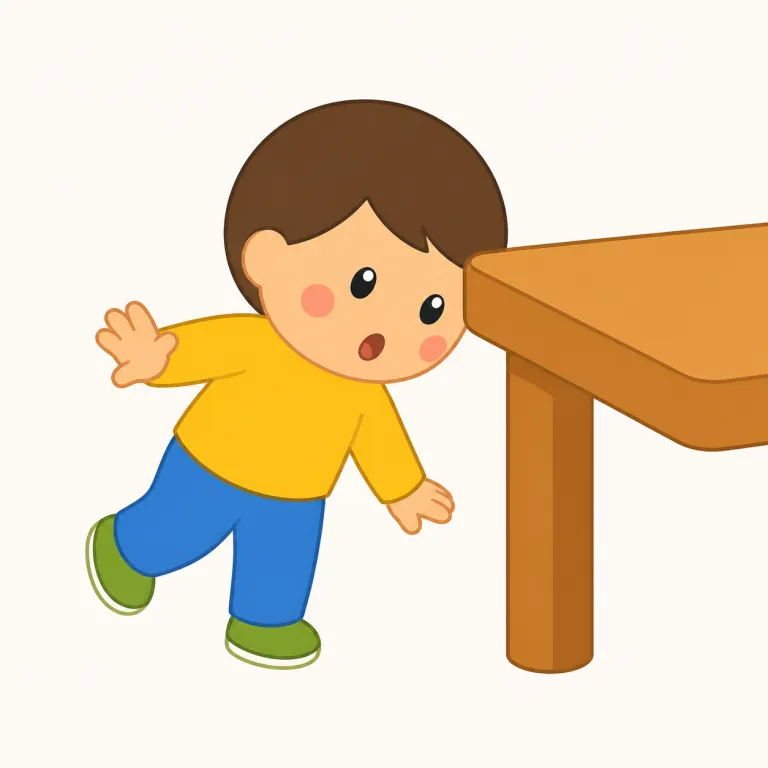
軽い衝突
/ verb 動詞 軽くぶつかる (意味 2)
解説 Definition
人や物が軽くぶつかる出来事、またはその際に感じる短い衝撃を指す名詞です。重大な衝突よりも、コツン、ゴツンと当たる程度の接触に使われます。
A bump is a minor collision or brief impact, especially when two people or objects touch without a serious crash.
覚え方のコツ Memory Tip
車同士や台車と壁がコツンと触れ、その瞬間に小さな衝撃を感じる場面が a bump です。a slight bump や a small bump の形がよく合います。crash のような重大な衝突ではなく、短く軽い接触を指す名詞です。
Imagine two objects meeting with a quick, light knock. In this sense, bump names the collision or impact itself, not a raised mark left afterward.
例文
We felt a slight bump when the cars touched.
車同士が接触したとき、軽い衝撃を感じました。
The cart hit the wall with a small bump.
台車は壁に軽くぶつかりました。
There was a bump as the two boats came together.
二隻の船が接したとき、軽い衝突がありました。
小幅増加
(意味 3)
解説 Definition
数や量、価格などが少しだけ増えることを表す名詞です。統計、売上、料金、アクセス数などで、目立たないが確認できる増え方を述べるときによく使われます。
A small increase in a number, amount, or price. It is often used when discussing a modest but noticeable rise in sales, fees, or website visits.
覚え方のコツ Memory Tip
bump は「平らだった数字の線が少しポコッと上がる場面」で覚えると、小幅増加の意味が残りやすい語です。売上やアクセス数が jump のように大きく跳ねるのではなく、グラフ上に小さな盛り上がりができる感じ。a small bump in sales なら「売上の小さな持ち上がり」、a bump in traffic なら「訪問数の小幅増加」。衝突やこぶの bump と同じく、なめらかな状態にできた短く局所的な変化が核です。大幅増ではなく、確認できる程度の小さな上向きとして切り分けると定着します。
Imagine a mostly flat graph with one small upward bulge. A bump in sales or traffic makes the line rise a little; picture a modest lift rather than a large jump.
例文
The store saw a small bump in sales last weekend.
その店では先週末、売上が少し伸びた。
There was a bump in book sales after the school event.
学校行事の後、本の売上が少し伸びた。
Prices showed a slight bump in April.
価格は4月にわずかな上昇を示した。
bump の類義語・関連語
類義語
bump の語源・成り立ち Etymology
語史には不確かな点がありますが、bump は鈍い衝撃を思わせる表現的な語とされ、北欧諸語の類似形とも比較されます。衝撃の結果できる盛り上がりから、こぶや隆起を表す名詞として使われるようになりました。
The history of bump is uncertain. It is often treated as an expressive word suggesting a dull impact and is compared with similar Scandinavian forms. The raised-area sense is associated with the lump or projection that an impact can produce.
同じレベルの語彙をもっと
英検2級の一覧へ →外部辞書で調べる
この英単語をクイズで覚えよう