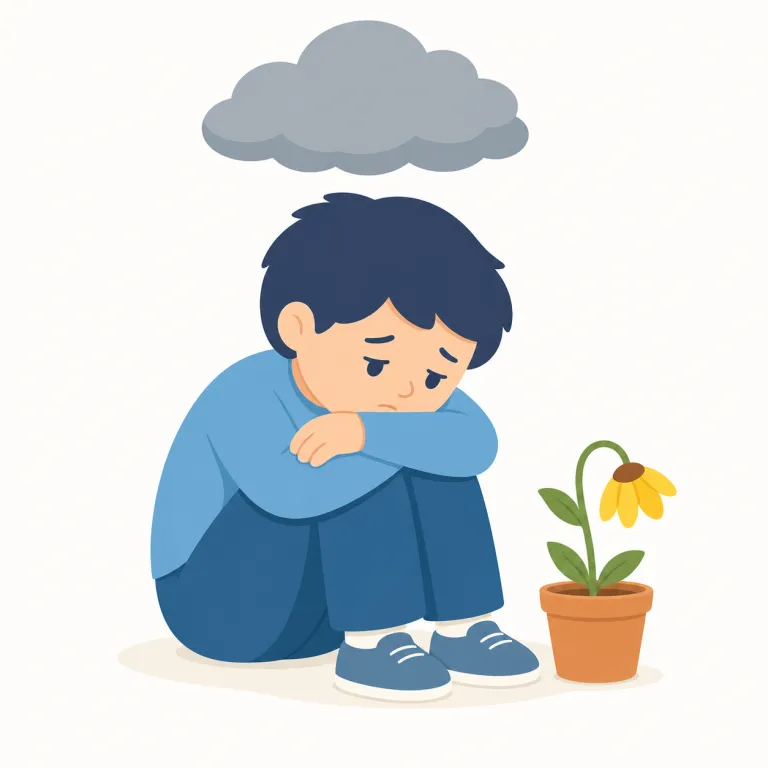
depressed
depressed は英検2級レベルの英単語で、「落ち込んだ、うつ状態の、低迷した」という意味があります。発音記号は /dɪˈprɛst/ です。
落ち込んだ
解説 Definition
気持ちが落ち込んで元気がない状態を指す。しばしば悲観的になったり、何をするにもやる気が出なかったりする。経済や景気が低迷しているときにも使われる。
Depressed means feeling very unhappy, without hope, or lacking energy for some time. It can describe a strong emotional state in daily conversation, and it is also used in mental health contexts. The word can be serious, so it should be used carefully depending on the situation.
覚え方のコツ Memory Tip
depressed は press を知っていると覚えやすい語。心や景気が上がれず、上から押さえつけられて低い位置にあるイメージで固定すると残る。会話では feel depressed の形が頻出で、単なる sad より重く、down よりはっきり「落ち込み状態」を言う。人だけでなく a depressed economy, depressed prices のように「景気・価格が低迷した」にも使えるので、感情語だけと思わないこと。
Notice the word press inside depressed. It gives the image of something being pressed down, which helps you remember the feeling. It is also used beyond emotions, as in a depressed economy or depressed prices.
例文
I feel depressed today.
私は今日落ち込んでいる。
She looks depressed after school.
彼女は放課後、落ち込んで見える。
He is depressed about his test.
彼はテストのことで落ち込んでいる。
えいたんごクイズでの正答率
この語をはじめて出題された 35人 のうち 31人 が正解しました(89%)。
えいたんごクイズの回答から集計した独自データです。1人につき最初に出題されたときの1回だけを数えており、復習や2回目以降の回答、「わからない」と時間切れは含みません。 集計時点は 2026年9月19日 です。
うつ状態の
(意味 2)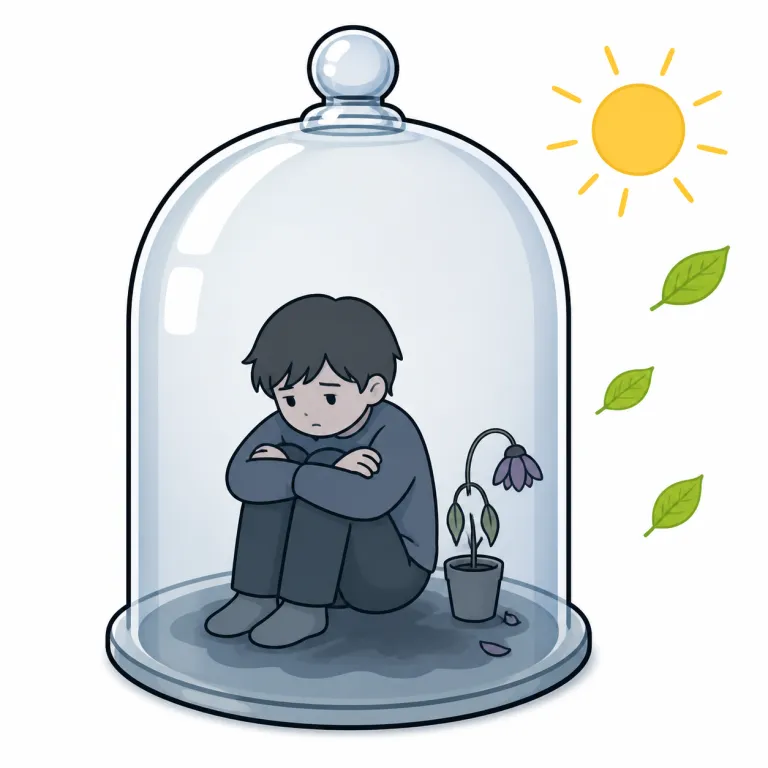
解説 Definition
depressed がこの意味で使われると、気分の落ち込みが長く続くなど、医学・心理の文脈でうつ状態にあることを表す。患者や症状について述べるときに用いられ、一時的にしょんぼりしたという意味より深刻で継続的な響きがある。診断名そのものではないが、その方向の状態を示す語としてよく現れる。
Experiencing a serious, continuing state of low mood, as discussed in medical or psychological contexts. The adjective describes a person's condition but does not by itself establish a diagnosis.
覚え方のコツ Memory Tip
この語義の depressed は、その日の失敗で一時的に「落ち込んだ」というより、気分の落ち込みなどが長く続く「うつ状態の」を表します。for many months や every day のような継続期間、doctor や patient などの医療・心理の文脈を手掛かりにしましょう。日常的な落ち込みや、景気・価格が「低迷した」という語義とは分けて覚えます。
Connect this use of depressed with phrases such as for many months and contexts involving a doctor or patient. These clues help you remember a continuing psychological condition.
例文
She felt depressed for many months.
彼女は何か月もうつ状態だった。
The doctor saw a depressed patient.
医師はうつ状態の患者を診た。
He feels depressed every day.
彼は毎日うつ状態だ。
低迷した
(意味 3)
解説 Definition
この意味の depressed は、景気・市場・価格・需要などの水準が弱く、活気を欠いたまま低い状態にあることを表す。経済記事やビジネス文脈でよく使われ、単に数値が低いだけでなく、回復の鈍さや停滞感も含んでいる。特に不況や供給過多の説明で現れやすい。
Remaining at a low level with little economic activity or sign of recovery. This adjective commonly describes weak markets, prices, demand, or business conditions.
覚え方のコツ Memory Tip
depressed は press「押す」を知っていると覚えやすい語。景気や市場、価格が上から押さえつけられて、上がれず低いままのイメージで固定すると残ります。feel depressed のような感情だけでなく、a depressed economy, depressed prices, depressed demand のように、経済や需要が弱く沈んだ状態にもよく使います。この行では人の気分ではなく、水準が低く活気がない「低迷した」と切り分けて覚えるとぶれません。
Connect depressed with press and picture prices or demand being pressed down so they cannot rise. Remember phrases such as depressed prices and a depressed economy to keep the focus on economic weakness.
例文
Sales stayed depressed this year.
今年は売り上げが低迷した。
The local housing market is still depressed.
その地域の住宅市場は今も低迷している。
Depressed prices hurt small farmers.
価格の低迷は小規模農家を苦しめた。
depressed の類義語・関連語
類義語
depressed の語源・成り立ち Etymology
ラテン語 deprimere(de-「下へ」+ premere「押す」)が語源。「下に押しつけられた」状態から、気分が沈んだ意味に発展した。関連語:press(押す)、compress(圧縮する)。物理的な圧迫が心理的な意味へ転じた語。
Depressed comes from Latin deprimere, made of de- meaning "down" and premere meaning "press." It first meant something pressed down physically, and is related to English words like press and compress. Later, this image of being pushed downward was used for a low emotional state.
同じレベルの語彙をもっと
英検2級の一覧へ →外部辞書で調べる
この英単語をクイズで覚えよう