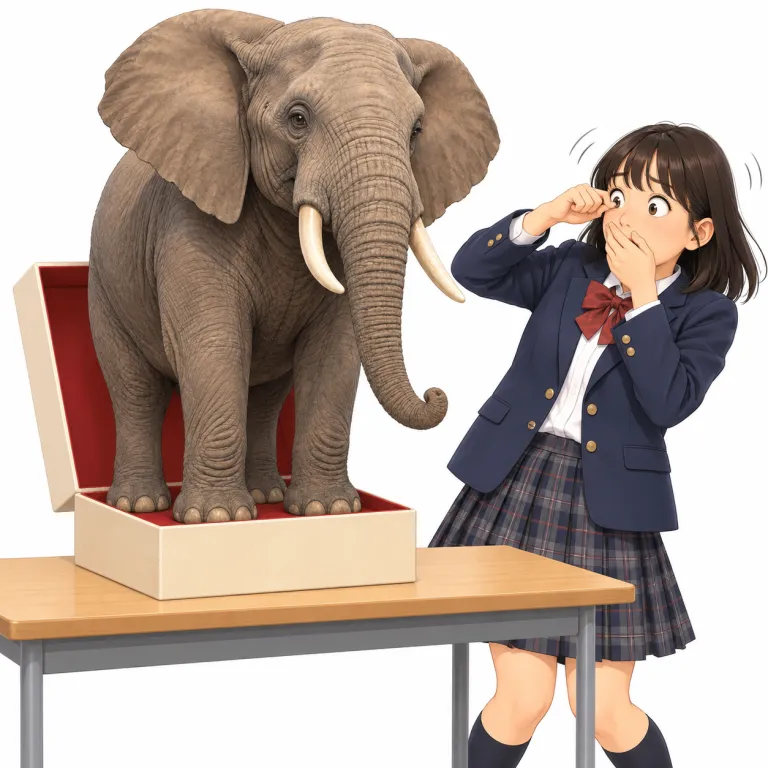
disbelief
信じられない思い、疑い
解説 Definition
ある出来事や情報が本当だと受け入れられず、信じられないと感じること、または真実かどうかを疑う気持ちを表す名詞。驚きや衝撃、予想外の事実に接したときの反応としてよく使われる。
Disbelief is the feeling of being unable or unwilling to believe something. It is often used when something seems surprising, shocking, or unlikely to be true. The word describes both doubt and emotional surprise.
覚え方のコツ Memory Tip
`belief` が「信じること」だと分かれば、先頭の `dis-` は否定なので `disbelief` は「信じられない気持ち」と取りやすいです。まず `belief` と対で覚えるのが近道。場面としては、驚くニュースを聞いて in disbelief と言う形が非常に多く、「疑っている」というより「本当だと受け止めきれない」という衝撃寄りの反応です。単なる doubt より感情が強く、surprise とも重なりますが、中心はあくまで『信じられなさ』です。
Build it from `belief` plus the negative prefix `dis-`. The fastest way to remember it is through the common phrase `in disbelief`, which often appears when someone hears shocking news. That phrase gives the emotional feeling of the word much better than studying it alone.
例文
She stared at the test results in disbelief, unable to accept that she had failed.
彼女は不合格だったことを受け入れられず、信じられない思いで試験結果を見つめた。
The audience gasped in disbelief when the magician made the elephant disappear.
マジシャンが象を消すと、観客は信じられない思いで息をのんだ。
He shook his head in disbelief at the bad news.
その悪い知らせに、彼は信じられないという様子で首を振った。
disbelief の類義語・関連語
disbelief の語源・成り立ち Etymology
disbelief は dis-「否定・反対」+ belief「信じること」から成り、belief は古英語 geleafa、believe は geliefan にさかのぼるゲルマン系の語です。もとは「真実として受け入れ、大事に抱く」に近い感覚があり、そこへ dis- が付くことで「どうしても受け入れられない」驚きや不信になり、believe や believable も同根です。
Disbelief is made from dis-, meaning "not" or "opposite," and belief. Belief and believe come from Old English and older Germanic roots that carried the sense of accepting something as true and holding it dear or trustworthy. With dis-, the word came to mean a state of being unable or unwilling to accept something as true. Related words include believe and believable.
同じレベルの語彙をもっと
外部辞書で調べる
この英単語をクイズで覚えよう