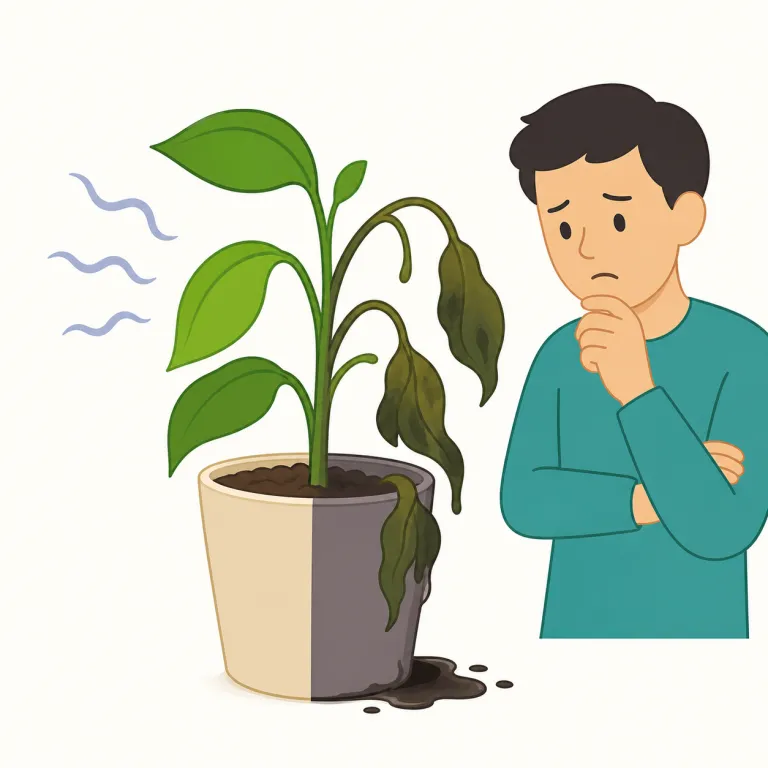
気がかりなほど
解説 Definition
気がかりなほど(きがかりなほど)は、心配や不安を感じさせるほど、または気になるほどという意味の副詞です。心の平和を乱すような状態を示します。
Disturbingly means in a way that makes people feel worried, shocked, or uncomfortable. It is used when something seems wrong or more serious than expected.
覚え方のコツ Memory Tip
まず基礎の disturb「乱す・不安にさせる」を固める。disturb the peace や disturb sleep のように「平穏を乱す」場面でよく出る。その disturbing は「不穏な・気味の悪い」、さらに -ly で副詞化すると「不穏なくらい、気がかりなほど」。disturbingly quiet, disturbingly high のように、静けさや数字が単に目立つだけでなく「嫌な感じで」気になるときに使う。surprisingly が中立にも使えるのに対し、こちらは不安や不快のニュアンスが強い。
Start with `disturb`, which means to break peace or calm, as in `disturb sleep` or `disturb the peace`. Then `disturbing` gives an uneasy feeling, and `-ly` turns it into an adverb. So `disturbingly quiet` or `disturbingly high` means not just noticeable, but noticeable in a worrying way.
例文
The silence felt disturbingly heavy.
その沈黙は気がかりなほど重苦しかった。
His behavior has been disturbingly unpredictable lately.
最近の彼の行動は気がかりなほど予測がつかない。
The pattern is disturbingly similar to the one before last year's market crash.
その動きは、昨年の市場暴落前と気がかりなほど似ている。
disturbingly の類義語・関連語
disturbingly の語源・成り立ち Etymology
disturbingly は disturb+-ing+-ly。disturb は古フランス語を経てラテン語 disturbare にさかのぼり、dis-「ばらして」+ turbare「かき乱す」から成ります。もともと「秩序を乱すように」が、「気がかりなほど」の意味へつながりました。関連語は perturb, turbid。
Disturbingly comes from disturb + -ing + -ly. Disturb came into English through Old French from Latin disturbare, built from dis- "apart" and turbare "to throw into confusion." It first meant causing disorder, and later developed the sense of causing mental unease. Related words include perturb and turbid.
同じレベルの語彙をもっと
外部辞書で調べる
この英単語をクイズで覚えよう