意味一覧 (2件)
えぐる
解説 Definition
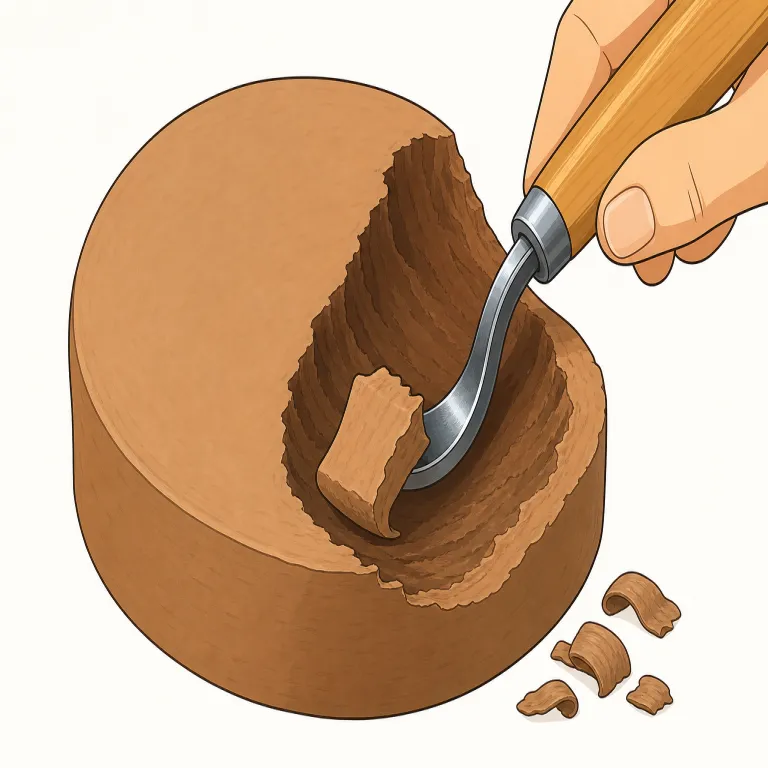
先のとがった物や刃物で、表面を深く削り取ることです。木や土、目などにくぼみや穴ができるほど強くえぐる動作を表します。
To cut or dig something out deeply with a sharp point or tool. It often leaves a hole, groove, or deep mark in a surface.
覚え方のコツ Memory Tip
gouge は、刃物や硬い物を表面に食い込ませ、深いくぼみや穴が残るほど「えぐる」動作です。cut が広く「切る」、scrape が表面を「こする・削る」なのに対し、gouge は内部へ深く入り、材料を取り去る感じが強いと押さえると混同しにくいです。gouge a hole in the ground、gouge a deep mark in the wood の形が典型的。丸くくぼんだ刃が木に食い込み、深い溝を残す場面を固定すると定着しやすいです。
Picture a sharp tool pushing hard into wood and digging out a deep groove. Gouge sounds like a strong, forceful digging action.
例文
The tool gouged a deep mark in the wood.
その道具で木が深くえぐられ、跡がつきました。
The falling rock gouged a hole in the soft ground.
落ちてきた岩がやわらかい地面をえぐり、穴を開けました。
Be careful not to gouge the table with the knife.
ナイフでテーブルをえぐらないように気をつけてください。
ぼったくる
(意味 2)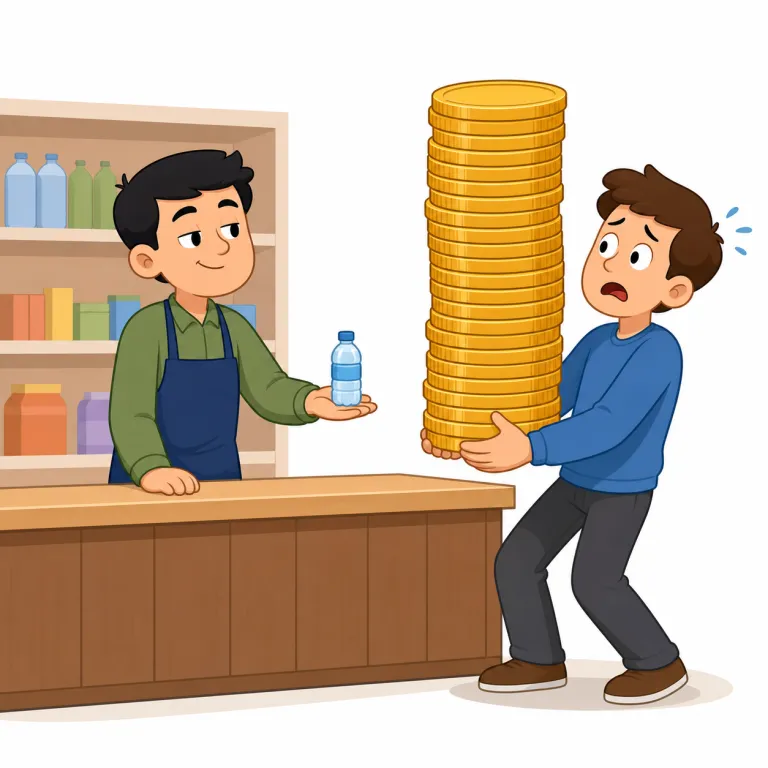
解説 Definition
gouge は、商品やサービスに不当に高い値段をつけて人から金を取ることを表す動詞。特に災害時や観光地など、相手の弱みや切迫した状況につけこんで法外な額を請求する場合に使われ、「ぼったくる」「足元を見る」という強い非難のニュアンスを含む。
To gouge means to charge someone an unfairly high price, especially because they have little choice. It is used when talking about dishonest sellers or unreasonable prices. The word has a strong negative feeling.
覚え方のコツ Memory Tip
まず price gouging という頻出セットで覚えると定着しやすいです。price が付けば「便乗して値段をつり上げる」とすぐ連想できます。単なる overcharge が「高く請求する」なのに対し、gouge は災害時・緊急時・観光地などで相手の弱みにつけこむ悪質さが強い語です。ニュースでは anti-price-gouging laws の形もよく出ます。rip off に近いですが、gouge のほうが不当な高値請求に焦点がある、と分けて覚えると混同しにくいです。
The fastest memory hook is the phrase `price gouging`. News reports often use it when sellers charge extreme prices in emergencies or tourist areas. It is stronger than `overcharge`, because it suggests unfairly taking advantage of people.
例文
The restaurant tried to gouge tourists with inflated prices.
そのレストランは、つり上げた価格で観光客をぼったくろうとした。
Contractors who gouge homeowners during emergencies are unethical.
緊急時に住宅所有者をぼったくる業者は非倫理的だ。
The seller was caught gouging customers on essential supplies.
その売り手は、生活必需品を客に法外な値段で売っていたことが発覚した。
gouge の類義語・関連語
類義語
紛らわしい語
gouge の語源・成り立ち Etymology
中英語の gouge は、丸くくぼんだ刃を持つ道具を表す言葉でした。もとは古フランス語を通じて伝わった語で、道具の名前から「その道具でえぐる」という動作の意味にもなりました。
Gouge comes from Middle English and originally meant a chisel with a curved blade. The word came through Old French and later also meant using such a tool to cut or dig out deeply.
同じレベルの語彙をもっと
外部辞書で調べる
この英単語をクイズで覚えよう