
hang out
hang out は英検準1級・TOEIC 730・TOEFL 60・IELTS 5.5レベルの英熟語で、「(友達と)のんびり過ごす、遊ぶ、ぶら下がる、突き出る」という意味があります。発音記号は /ˈhæŋ ˈaʊt/ です。
(友達と)のんびり過ごす、遊ぶ
解説 Definition
hang out は、友人や知人と特に決まった目的を持たず、気楽に一緒に時間を過ごすことを表す句動詞です。「遊ぶ」「のんびり過ごす」「たむろする」といった意味で使われ、親しい間柄の日常的でくだけた表現としてよく用いられます。
To spend relaxed, informal time with friends or other people. It is commonly used when talking about meeting, talking, or doing simple fun activities together. This phrase is casual and is often used in everyday conversation.
覚え方のコツ Memory Tip
hang は「ぶら下がる・だらっとその場にいる」感じの基本語。そこに out が付くと、家でも外でも「目的を決めず気楽に一緒に時間を過ごす」というイメージで覚えると残りやすいです。Let’s hang out. は「遊ぼう」「ちょっと一緒に過ごそう」の定番。play より子どもっぽくなく、meet より予定感が弱いのがポイント。勉強会や会議のような用事ありの集まりには普通あまり使いません。
Think of "hang" as staying around in a relaxed way, with no strong purpose. Add "out," and it becomes spending easy, casual time together. "Hang out" feels less planned than "meet" and more grown-up than "play."
例文
We usually hang out at the café near the station after school.
私たちは放課後、たいてい駅の近くのカフェでのんびり過ごしている。
Do you want to hang out this weekend?
今週末、いっしょに遊ばない?
She likes to hang out with her friends at the shopping mall.
彼女はショッピングモールで友達と遊ぶのが好きだ。
えいたんごクイズでの正答率
この語をはじめて出題された 65人 のうち 41人 が正解しました(63%)。
えいたんごクイズの回答から集計した独自データです。1人につき最初に出題されたときの1回だけを数えており、復習や2回目以降の回答、「わからない」と時間切れは含みません。 集計時点は 2026年9月19日 です。
ぶら下がる
(意味 2)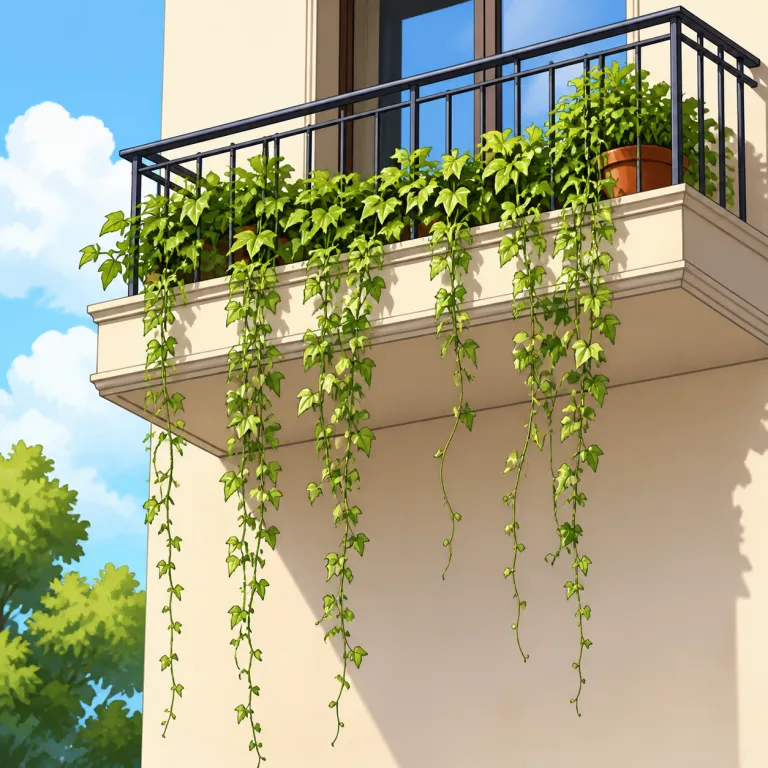
解説 Definition
物の一部が支えから下にのびて、外側にだらりと垂れているときに使う。布、つる、コードなどが端や穴から下がって見えている場面でよく用い、遊ぶという意味の hang out とは別の文字どおりの用法。
To extend loosely downward and outward from an edge or opening while remaining attached or supported. This describes objects such as cloth, vines, or wires dangling visibly outside something.
覚え方のコツ Memory Tip
hang は「ぶら下がる」、out は「外へ」。hang out は、布やつる、コードなどが内側や端から外へ出て、そのままだらりと下がっている絵で覚えるとこの語義に合います。Let’s hang out. の「一緒に過ごす」と切り分けて、主語が wire, vine, cloth のような物なら、文字どおり「外にぶら下がる」と判断すると整理しやすいです。
Combine hang, meaning to be suspended, with out, meaning toward the outside. Picture a loose cord coming through an opening and drooping downward outside it.
例文
Long vines were hanging out from the balcony.
長いつるがバルコニーから垂れ下がっていた。
A loose wire was hanging out of the ceiling.
ゆるんだ配線が天井からぶら下がっていた。
A rope was hanging out of the boat.
ロープがボートの外に垂れ下がっていた。
突き出る
(意味 3)
解説 Definition
物や体の一部が容器・建物・窓・服などの内側から外へ出ている状態を表す。完全に離れるのではなく、先端や一部だけが外にのぞく、はみ出す、横に張り出すという感覚で使われる。バッグから紙が出る、窓から腕を出す、といった場面で自然。
To project outside or beyond an opening, container, or edge while remaining attached or supported. The projecting part often rests loosely or droops, as with an arm outside a window.
覚え方のコツ Memory Tip
out を「内から外へ」と捉え、物の全部ではなく一部だけが支えられたまま外にのぞく場面を固定します。リュックから地図の端がはみ出す、窓から腕が出る、枝が道の上へ張り出す、といった映像です。hang out of the window/backpack のように、出口を of の後ろに置く形が頻出。stick out も「突き出る」ですが、hang out は外に出た部分が垂れたり支えられたりしている感じを伴います。「遊ぶ」の意味とは場面を分けると混同しにくいです。
Focus on out as movement from the inside toward the outside, with only part of something showing. Picture the edge of a map hanging out of a backpack, and remember hang out of followed by the opening or container.
例文
A map was hanging out of his backpack.
地図が彼のリュックからはみ出していた。
He sat with one arm hanging out the window.
彼は片腕を窓の外に突き出して座っていた。
A branch hangs out over the path.
枝が小道の上に突き出している。
hang out の類義語・関連語
対義語
派生語
hang out の語源・成り立ち Etymology
hang は古英語 hangian/hon「ぶら下がる」、out は古英語 ūt「外へ」に由来します。もとは外でぶら下がるように所在なく過ごす感覚から、気軽に時間を過ごす「ぶらぶらする」へ意味が広がりました。関連表現には hang around、同根語には hanger があります。
"Hang" comes from Old English hangian or hon, meaning "to hang," and "out" comes from Old English ut, meaning "outside." The phrase first suggested spending time outside in a loose, idle way, almost as if staying around with nothing fixed to do. From that, it developed into the modern sense of spending time casually with other people. Related expressions include "hang around," and "hanger" shares the same root as "hang."
同じレベルの語彙をもっと
英検準1級の一覧へ →外部辞書で調べる
この英熟語をクイズで覚えよう