
incendiary
incendiary は英検1級レベルの英単語で、「扇動的な、焼夷性の、焼夷弾」という意味があります。発音記号は /ɪnˈsɛndɪˌɛri/ です。
扇動的な
解説 Definition
怒りや暴力をあおるような、感情的で過激な性質を指す語です。批判や抗議の場面で、人々の感情を刺激して争いに発展しやすい状態を表します。
Incendiary describes language, writing, or behavior that is likely to make people angry or cause strong conflict. In another meaning, it can also describe something designed to start fires, but the emotional meaning is common in news and politics.
覚え方のコツ Memory Tip
incendiary は、文字通りの「火をつける」イメージを比喩で覚えると残りやすい語です。news では incendiary remarks / speech / rhetoric の形で、人の怒りに火をつけ、群衆や世論を危険な方向へ動かす発言を指すことが多いです。単に provocative「挑発的」なだけでなく、暴力・対立・騒乱をあおる強さがあるのがポイント。incite「扇動する」や inflammatory「感情を刺激する」と近いが、incendiary は一段と危険で、火種が大きくなる感じで覚えると定着します。
This word has a fire image inside it: think of language that can "set people on fire" emotionally. `Incendiary remarks` are not just provocative; they can push people toward anger, conflict, or violence. That strong fire picture makes the word easier to keep in mind.
例文
The politician's speech was criticized as incendiary.
その政治家のスピーチは扇動的であると批判されました。
The blog post contained incendiary comments that sparked debate.
そのブログ投稿は議論を引き起こした扇動的なコメントを含んでいました。
Avoid using incendiary language in official communications.
公式な連絡では扇動的な言葉の使用を避けてください。
焼夷性の
/ noun 名詞 焼夷弾 (意味 2)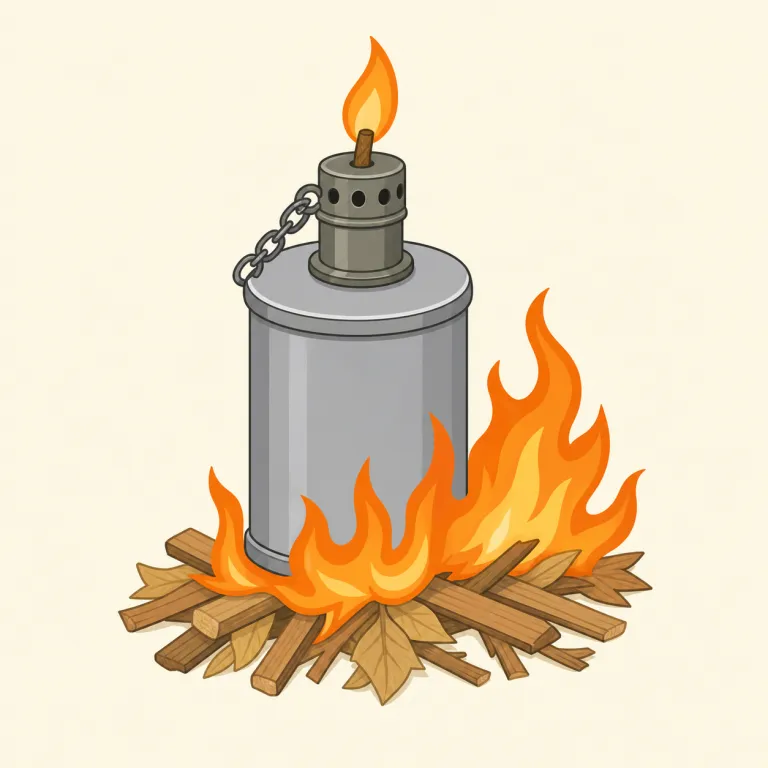
解説 Definition
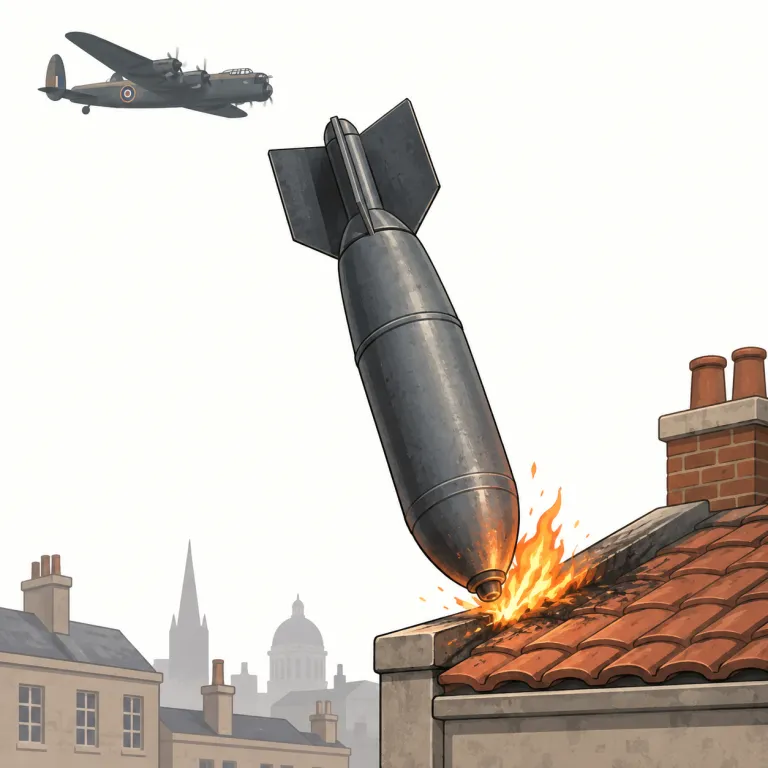
文字どおり火をつける性質や目的を表し、化学物質・兵器・装置などについて使う。人をあおるという比喩的意味ではなく、着火して燃え広がらせる作用や、火災を引き起こす危険性を具体的に述べる語。特に物が意図的に火を出すよう設計されていることを示す場合に用いられる。
Describes a substance, weapon, or device designed to start fires or make them spread. It refers to actual burning, not to language intended to provoke people.
覚え方のコツ Memory Tip
incendiary は、文字通りの「火をつける」イメージで覚えると残りやすい語です。incendiary chemicals / device / mixture の形で、着火して燃え広がらせる性質のある物質や装置を指します。単に flammable「燃えやすい」だけでなく、火災を起こす目的や強い燃焼作用があるのがポイント。incendiary bomb と結び付けて、「火を放つための・焼夷性の」と覚えると定着します。remarks や speech の「扇動的な」意味もありますが、この語義では人の怒りではなく、実際の火を起こす性質です。
Associate incendiary with fire-producing chemicals, mixtures, devices, and bombs. It suggests more than simply being flammable: the object has a strong burning effect or is intended to start a fire.
例文
The warehouse contained incendiary chemicals.
その倉庫には焼夷性の化学物質が保管されていた。
The report warned that the device used an incendiary mixture.
その報告書は、その装置が焼夷性の混合物を使っていると警告した。
Police found incendiary materials in the suspect's car.
警察は容疑者の車から焼夷物質を見つけた。
incendiary の類義語・関連語
incendiary の語源・成り立ち Etymology
「incendiary」はラテン語 incendere「火をつける」に由来し、in-「中へ」+ candere「白く熱して輝く」と分けられる。もとは実際に火を放つことだが、比喩的に人心へ火を入れる感覚から「扇動的な」になった。関連語は incandescent, candle。
Incendiary comes from Latin incendere, meaning "to set on fire." That verb is linked to the idea of becoming hot and glowing, seen also in words like incandescent and candle. It first referred to actual fire-setting, then later was used figuratively for speech or actions that "set people on fire" emotionally or politically.
同じレベルの語彙をもっと
英検1級の一覧へ →外部辞書で調べる
この英単語をクイズで覚えよう