lumber
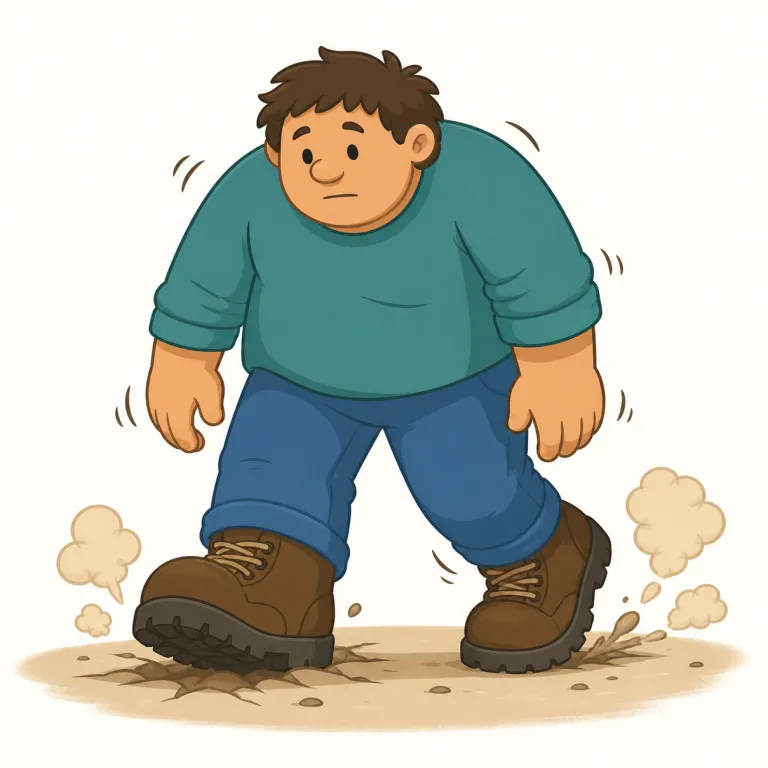
lumber は英検準1級レベルの英単語で、「木材、のっしのっしと歩く」という意味があります。発音記号は /ˈlʌmbɚ/ です。
意味一覧 (2件)
木材
解説 Definition
lumber が名詞のときは、建築や家具作りに使う切り出した木材を指す。特に北米英語でよく使われ、板や角材など加工用の木の材料をまとめて言う語で、日本語の「木材」「材木」に近い。
覚え方のコツ Memory Tip
lumber は北米英語で「木材・材木」と覚えると整理しやすい語です。家を建てるために店で買う板や角材の山を思い浮かべると定着します。timber も木材ですが、lumber は切り出され、建築材料として扱われる板材・角材の感じが強め。動詞 lumber「のっしのっし歩く」と混同しやすいので、a lumber yard, lumber prices, buy lumber のように、材料として積まれた木と結びつけて覚えると意味がぶれません。
例文
We bought lumber to build a new deck.
私たちは新しいデッキを作るために木材を買った。
The price of lumber went up after the storm.
嵐の後で木材の価格が上がった。
The truck was loaded with lumber from the mill.
そのトラックには製材所から運ばれてきた木材が積まれていた。
のっしのっしと歩く
(意味 2)解説 Definition
のっしのっしと歩くことは、ぎこちなく重たく歩く様子を表します。ゆっくりとして、あまり優雅ではない動きです。
To lumber means to move in a heavy, slow, and awkward way. It is often used for large people or animals, or for movement that seems clumsy. The word suggests weight and lack of smoothness.
覚え方のコツ Memory Tip
walk ではなく、体が大きい・荷物が重いせいで、素早く軽やかには進めず、どしんどしんと前へ出る感じを結びつけると覚えやすいです。lumbering bear や lumbering truck のように「重く不格好に動く」場面でよく合います。trudge が「疲れてとぼとぼ」、stagger が「よろめく」なのに対し、lumber は「重さのせいで鈍くのっしのっし」が核。名詞 lumber(木材)を見ても、「重くかさばる」共通イメージでつなぐと残ります。
`Lumber` suggests heavy, slow movement, not normal walking. Picture a big bear or truck moving forward in an awkward way. Compare it with `trudge` for tired walking and `stagger` for unsteady walking; `lumber` is heavy and clumsy.
例文
The tired workers lumbered home after a long day.
疲れた労働者たちは長い一日を終え、のっしのっしと家へ歩いていきました。
The elephant lumbered through the jungle.
象はのっしのっしとジャングルを歩いていった。
He lumbered to the kitchen because he was still sleepy.
彼はまだ眠かったので、のっしのっしとキッチンへ向かいました。
lumber の類義語・関連語
lumber の語源・成り立ち Etymology
lumber はもと英語で「がらくた・かさばる物」を表した語で、起源ははっきりしません。そこから北米英語で、場所を取る大きな材料としての「製材された木材・材木」を指すようになりました。動詞の「のっしのっし歩く」も重くかさばる感覚と関係しますが、この語義では建築に使う板や角材のまとまりを指します。
同じレベルの英単語をもっと
英検準1級の一覧へ →外部辞書で調べる
この単語を英単語クイズで覚えよう