measure
measure は英検準2級・TOEIC 730・TOEFL 60・IELTS 5.5レベルの英単語で、「測る、措置、尺度」という意味があります。発音記号は /ˈmɛʒɚ/ です。
意味一覧 (3件)
測る
解説 Definition
長さ・重さ・温度・量などを、道具や基準を使って調べる意味。数値として確かめる場面でよく使い、能力・効果・感情の大きさなど目に見えないものを判断する文脈にも広がる。学校の理科からビジネスの分析まで、具体的にも抽象的にも使える基本語。
To find the length, weight, temperature, or amount of something using a tool or standard. It can also mean assessing how great an ability, effect, or feeling is.
覚え方のコツ Memory Tip
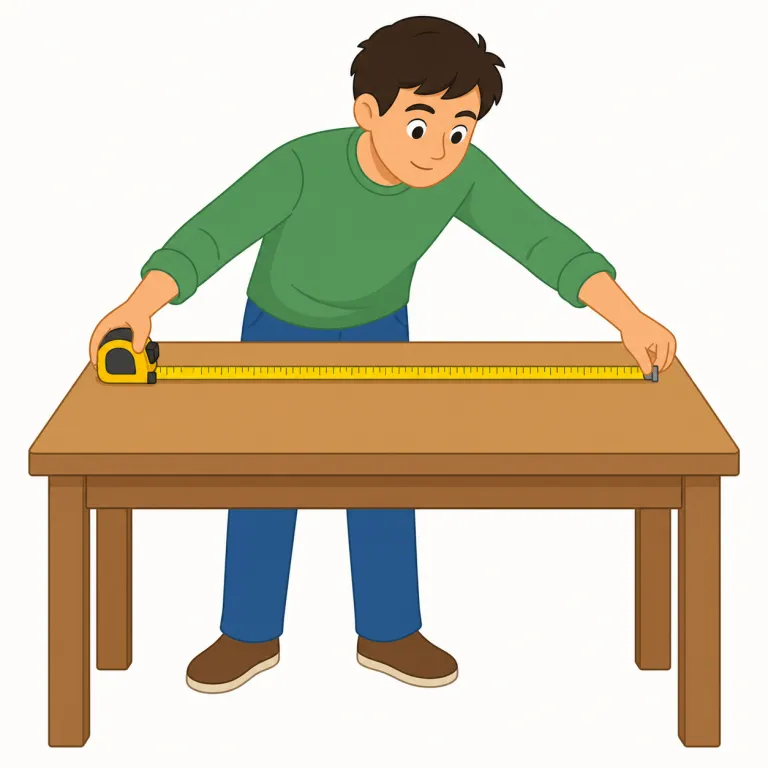
measure は、定規やはかりを当てて「どのくらいか」を数字で確かめる動作として覚えると定着しやすいです。カタカナの「メジャー」が巻き尺を指すことから、道具そのものではなく、それを使う行為へつなげましょう。measure the table with a ruler「定規で机を測る」のように、測る対象を直後に置き、道具は with で示します。measure A from top to bottom「Aを上から下まで測る」も便利な型です。weigh が主に重さを量るのに対し、measure は長さ・温度・量・効果などを広く測定します。何をどの基準で数値化するかを意識すると使い分けやすくなります。
Connect the Japanese loanword mejaa, a tape measure, with the action of checking how big something is. Picture placing a ruler against an object and reading a number. Remember the pattern measure something with a tool.
例文
I measure the table with a ruler.
私は定規でテーブルの長さを測ります。
We measure the water with this cup.
私たちはこのカップで水の量を測ります。
She measures the box from top to bottom.
彼女は箱の上から下までの長さを測ります。
措置
(意味 2)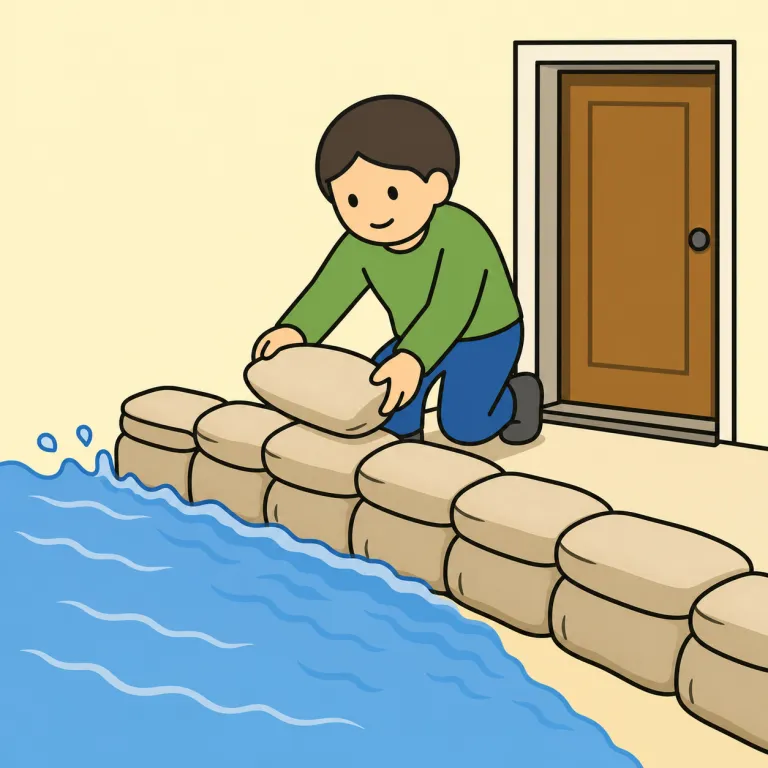
解説 Definition
問題の解決や被害の防止、目的の達成のために取られる具体的な手段や行動を指す名詞です。行政・法律・安全管理などの文脈でよく使われ、計画ではなく実際に講じられる対策や処置という含みがあります。
A measure is an action taken to deal with a problem or achieve a goal. It is often used in formal contexts such as government, business, health, or safety. The word usually suggests a planned or practical step.
覚え方のコツ Memory Tip
measure はまず「測る」が基本だが、名詞ではニュースや行政文脈で take measures の形が非常に多く、「状況を見て必要な手を打つ」→「措置」と覚えると定着しやすい。plan が計画段階なのに対し、measure は実際に講じる具体策。safety measures, emergency measures, cost-cutting measures などの固まりで覚えると、単なる「測定」との切り替えもしやすい。
`Measure` first makes many learners think of numbers and size, so use that as your memory starting point. Then remember the common phrase `take measures`, which often appears in news and formal English. That phrase can help you switch from the basic verb idea to the noun use in expressions like `safety measures` and `emergency measures`.
例文
This measure helps stop the flu.
この措置はインフルエンザを防ぐのに役立つ。
This safety measure keeps workers safe.
この安全措置は働く人を守る。
This measure helps stop fights at school.
この措置は学校でのけんかを防ぐのに役立つ。
尺度
(意味 3)
解説 Definition
物事の大きさ・価値・程度を判断するときの基準や物差しを表す意味。実際の定規のような道具よりも、評価の基準、比較のものさしという抽象的な文脈で使われることが多い。人や社会が何を重視するかを示す語としても現れる。
A standard or indicator used to judge the size, value, or degree of something. It often provides a way to assess an abstract quality such as success or creativity.
覚え方のコツ Memory Tip
measure は動詞の「測る」から、「何かを判断するために当てる物差し」、つまり「尺度」へ意味をつなげると覚えやすい名詞です。成功を測る場面で、お金という一本の物差しを当てる絵を思い浮かべ、Money is one measure of success. を型として覚えましょう。a measure of A で「Aを判断する一つの尺度」となり、a good/poor measure of A「Aの適切な/不十分な尺度」も頻出です。standard が定められた基準そのものを強く示すのに対し、measure は程度や価値を測って示す指標という感覚。test scores や height など、実際に比較できる指標と結び付けると定着します。
Imagine using an invisible ruler to judge success, with money marked along it. Remember a measure of success as one way of judging success. The phrases a good measure and a poor measure tell you how suitable that indicator is.
例文
Money is one measure of success.
お金は成功を測る一つの尺度です。
Test scores are a poor measure of creativity.
テストの点は創造性のよい尺度ではない。
Height is one measure of a child's growth.
身長は子どもの成長を測る一つの尺度です。
measure の類義語・関連語
measure の語源・成り立ち Etymology
古フランス語 mesure を経てラテン語 mēnsūra(測定)から。語根 mēns-(測る)に由来し、印欧祖語 *meh₁-(測る)に遡る。meter(メートル)、dimension(次元)も同根。物事の大きさや量を把握する行為が原義で、動詞ではまさに長さ・量・程度を「測る」意味で使う。
The word comes through Old French mesure from Latin mensura, meaning measurement. Its underlying root means to measure.
同じレベルの語彙をもっと
英検準2級の一覧へ →外部辞書で調べる
この英単語をクイズで覚えよう