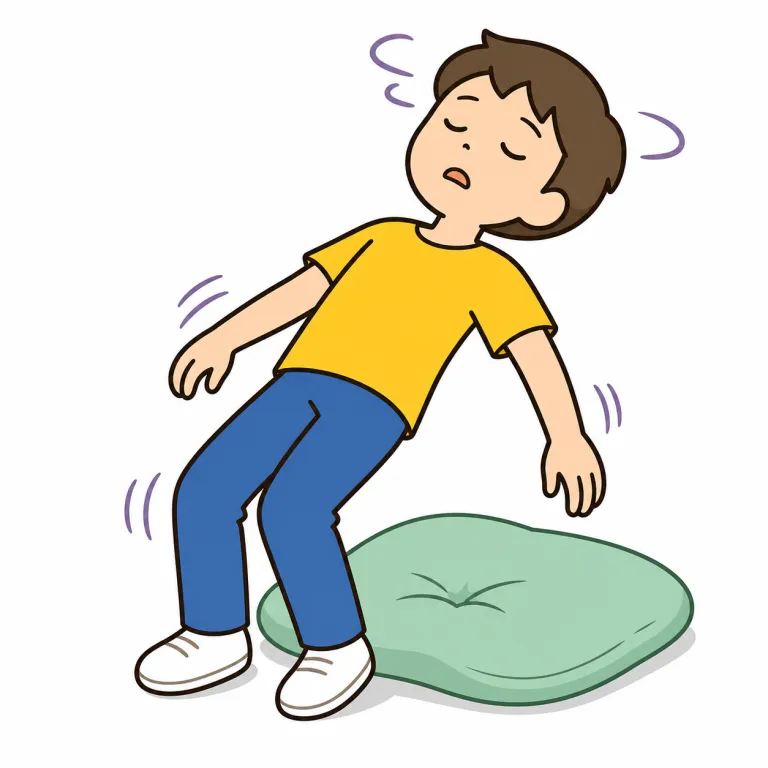
pass out
pass out は英検2級・TOEIC 600レベルの英熟語で、「気絶する、配る」という意味があります。発音記号は /ˈpæs ˈaʊt/ です。
意味一覧 (2件)
気絶する
解説 Definition
「pass out」は体力や気力が急激に失われて意識が遠のくこと、いわゆる気絶を意味する。脱水や怪我、ショックなどで一時的に危険な状態になるため、日常会話でも注意喚起の形で使われる。とくに暑さや疲労を理由に誰かが倒れた場面でよく見かける。
This phrasal verb means to suddenly become unconscious, usually because of illness, heat, shock, or lack of food. It is used in everyday English for fainting. In some contexts, it can also mean to distribute things, but that is a different meaning.
覚え方のコツ Memory Tip
pass は「移る・進む」、out は「外へ/消える」と見ると、意識が自分の外へ抜けていく感じで覚えやすい。単なる立ちくらみより、pass out は「完全に意識を失う」寄りで、会話では faint よりくだけた表現。heat, exhaustion, dehydration, pain などが原因としてよく続き、I almost passed out. の形も頻出。なお hand out は「配る」、pass away は「亡くなる」で別物。drink too much では「酔いつぶれる」の意味にもなる。
Picture consciousness "passing out" of the body. That image helps you remember that this is stronger than just feeling weak or dizzy. A common pattern is `I almost passed out`, often with heat, pain, or too much alcohol.
例文
He passed out from the heat during the marathon.
彼はマラソン中の暑さで気絶した。
He felt sick and almost passed out.
彼は気分が悪くなり、気絶しそうになった。
The sight of blood made her pass out.
彼女は血を見て気絶しました。
配る
(意味 2)
解説 Definition
pass out は、紙や資料、テスト、飲み物などをその場にいる人たちへ順に配るときに使う句動詞です。学校や会議、イベントで、主催者や担当者が参加者全員に何かを配布する場面でよく使われます。単に渡すだけでなく、複数人に回して配る感じがあります。
To distribute things such as papers, drinks, or materials among a group of people. It is commonly used when someone gives these items to people in a classroom, meeting, or event.
覚え方のコツ Memory Tip
pass は「渡す・回す」、out は「外へ広げる」と見ると、手元の紙や水を周りの人へ外向きに配っていく感じで覚えやすい。The teacher passed out the papers. なら、先生がテスト用紙を一人ずつ配る場面。hand out とかなり近いが、pass out は教室や会場で順に配布する感じが出やすい。なお pass out には「気絶する」もあるので、papers, flyers, water など物が目的語なら「配る」と切り分ける。
Think of pass as moving something from your hand to someone else, and out as spreading it among people around you. Picture a teacher distributing a stack of papers, and learn the phrase with an object such as papers, flyers, or water.
例文
The teacher passed out the test papers at the start of class.
先生は授業の初めにテスト用紙を配った。
Volunteers were passing out water to the runners.
ボランティアたちは走者に水を配っていた。
Can you pass out these flyers after the meeting?
会議のあとでこのチラシを配ってくれる?
pass out の類義語・関連語
pass out の語源・成り立ち Etymology
passはラテン語passus(歩み)→古フランス語passer(通り過ぎる)に由来。outは古英語ūt(外へ)。意識が体の「外へ通り過ぎていく」イメージから「気絶する」の意味に。配布する意味もある。関連語:passage(通路)、surpass(超える)。
Pass came through Old French passer from Latin passus, meaning "step," while out comes from Old English ut, meaning "outside." The phrase originally suggests something moving out or away. From that image, pass out came to mean losing consciousness, as if awareness goes away from the body; later it also developed the separate sense of handing things out.
同じレベルの語彙をもっと
英検2級の一覧へ →外部辞書で調べる
この英熟語をクイズで覚えよう