utter
utter は英検準1級・TOEIC 860・TOEFL 80・IELTS 6.5レベルの英単語で、「全くの、発する」という意味があります。発音記号は /ˈʌtɚ/ です。
意味一覧 (2件)
全くの
解説 Definition
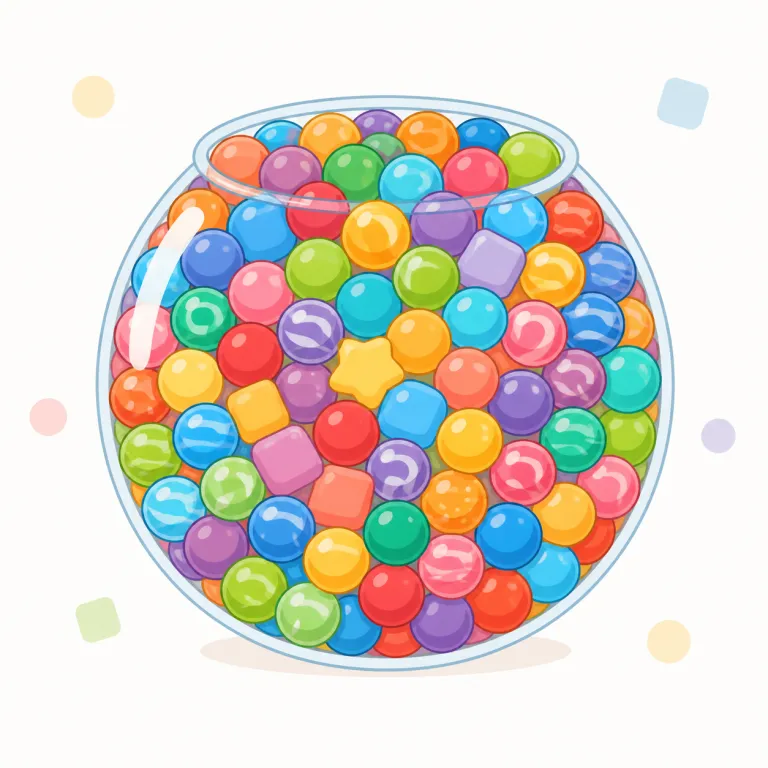
形容詞の utter は、名詞の前で「全くの」「完全な」という意味を表し、程度の極端さを強く示します。utter nonsense、utter failure、utter silence のように、否定的な内容や強い強調と結びついて使われることが多い語です。
Complete or absolute, used before a noun to emphasize an extreme degree. It often strengthens descriptions of failure, nonsense, or silence.
覚え方のコツ Memory Tip
形容詞 utter は「外側まで残らず行き切った」と考えると、「全くの・完全な」がつかみやすい。utter failure は失敗が端までいっぱい、utter nonsense はでたらめが完全、utter silence は音がまったくない状態。動詞 utter は「言葉を発する」だが、この形容詞では名詞の前で程度を最大まで押し切る強調語、と品詞で切り分けると混同しにくい。
Imagine a condition extending all the way to its outer edge, leaving no room for anything else. In utter failure or utter silence, this adjective pushes the following noun's meaning to the limit.
例文
The plan ended in utter failure.
その計画は完全な失敗に終わった。
That explanation is utter nonsense.
その説明は全くのでたらめだ。
She sat in utter silence for several minutes.
彼女は数分間、完全な沈黙の中でじっと座っていた。
発する
(意味 2)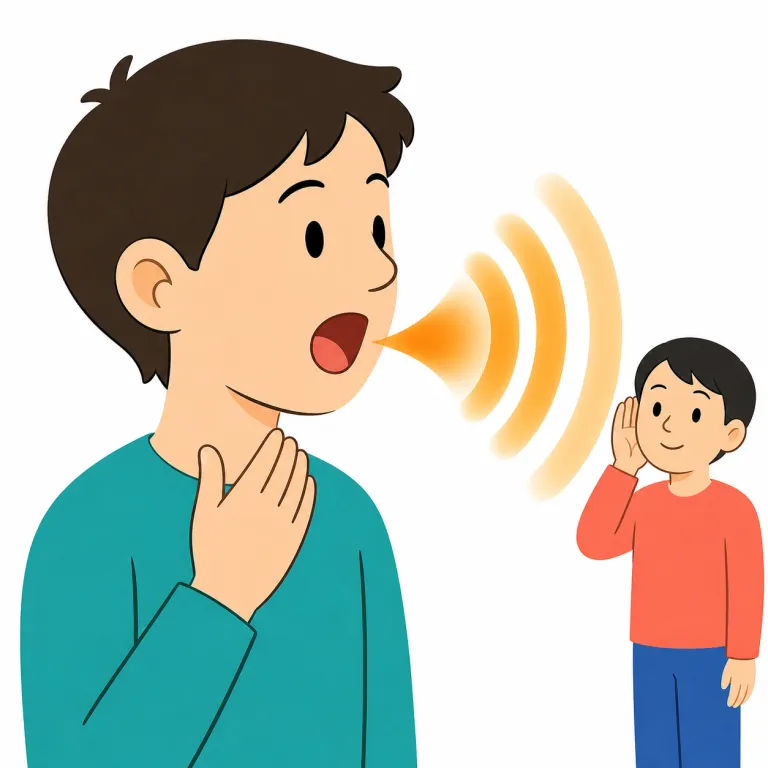
解説 Definition
声や言葉を口から出すこと。何かを話す、言う、または発表する行為。音声や声を発する。
To utter means to say something, especially a word or short remark. It is a more formal word than say, and it often focuses on the act of speaking rather than the full message.
覚え方のコツ Memory Tip
utter は「口から外へ出す一発の発話」として覚えると残りやすい。長く話す speak、内容を言う say に対し、utter は言葉・音・叫びを“発する”瞬間に焦点がある。utter a word, utter a cry, utter a sound が定番で、not utter a word は「ひと言も発しない」の頻出表現。やや文語的なので、小説・ニュースで見たらこの型を思い出すと強い。形容詞 utter(まったくの)と品詞混同しないこと。
Think of utter as pushing words or sounds out of your mouth. It often focuses on a single act of speaking, not a long conversation. Common patterns like utter a word, utter a cry, and not utter a word are strong memory hooks. Be careful not to mix it with the adjective utter, as in utter chaos.
例文
He didn't utter a single word during the entire meeting.
彼は会議の間ずっと一言も発しなかった。
She uttered a cry of joy when she saw the surprise.
彼女は思いがけないものを見て歓声を上げた。
The actor uttered the final words in a trembling voice.
その俳優は震える声で最後の言葉を発した。
えいたんごクイズでの正答率
この語をはじめて出題された 89人 のうち 56人 が正解しました(63%)。
えいたんごクイズの回答から集計した独自データです。1人につき最初に出題されたときの1回だけを数えており、復習や2回目以降の回答、「わからない」と時間切れは含みません。 集計時点は 2026年9月19日 です。
utter の類義語・関連語
類義語
utter の語源・成り立ち Etymology
utter は古英語 ūtera「外側の・さらに外の」に連なる語で、ūt「外へ」が核にあります。形容詞では「いちばん外まで行った、極限の」という感覚から、程度が端まで達した「全くの・完全な」になりました。動詞 utter「発する」も同じ外へ出す感覚に関係しますが、この語義では強調の形容詞として覚えるのが実用的です。
The adjective is connected with Old English ūtera, meaning 'outer' or 'further outside,' and ūt, meaning 'out.' The sense developed from an outer limit to an extreme or complete degree.
同じレベルの語彙をもっと
英検準1級の一覧へ →外部辞書で調べる
この英単語をクイズで覚えよう