意味一覧 (3件)
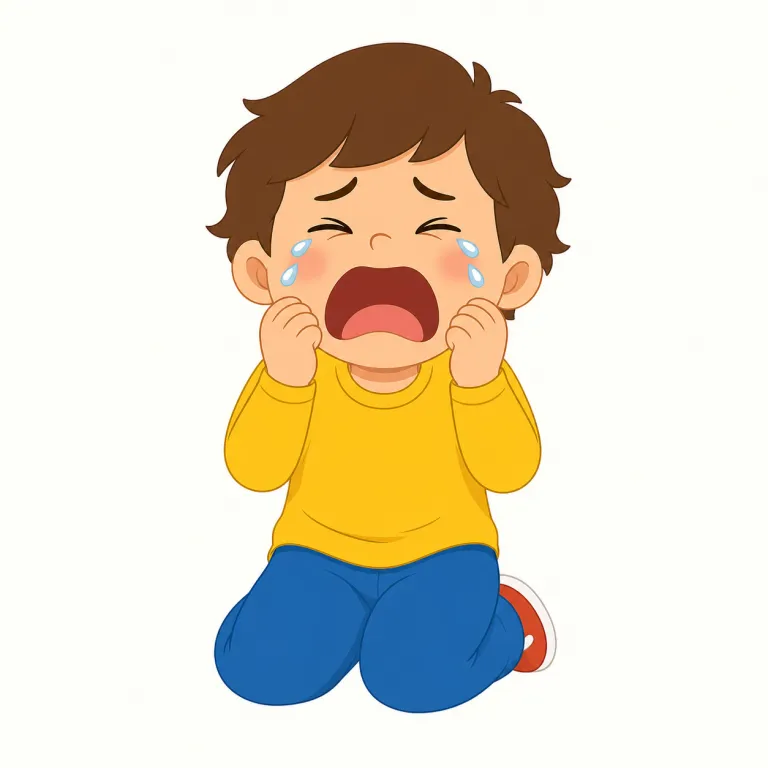
泣き叫ぶ
解説 Definition
悲しみ・痛み・恐怖でこらえきれず、長く高い声を出して泣き叫ぶことを表す動詞です。赤ん坊、遺族、けが人などが声を張り上げる場面に合い、サイレンなどが鳴り続ける比喩にも使われます。
To wail means to cry out in a long, loud voice because of great sadness, pain, or fear. It is used when someone cannot hold back strong feelings, such as a baby, a mourner, or an injured person. The word can also be used for things like sirens, when they make a long, high sound that seems to cry through the air.
覚え方のコツ Memory Tip
wailは「声を長く引いて泣き叫ぶ動作」に注目する語です。cryより切迫感が強く、weepのような静かな涙ではなく、外へ漏れ出す大声が中心。baby wailedやmourners wailedのように、感情や痛みで制御できない泣き方を思い浮かべると定着します。名詞のwail「悲痛な泣き声」と表裏の関係にあり、whaleと同音なので綴りを分けて覚えましょう。
Think of wail as a word for crying out in a long, uncontrolled voice. It is stronger and more urgent than cry, and much louder than weep, which often suggests quiet tears. Picture a baby who wailed all night or mourners who wailed in grief. Also remember that wail sounds like whale, but the spelling and meaning are different.
例文
The baby wailed for nearly an hour after waking up from a bad dream.
その赤ん坊は悪い夢から目覚めたあと、1時間近く泣き叫んだ。
Relatives wailed outside the hospital when they heard the terrible news.
親族たちはそのひどい知らせを聞いて、病院の外で泣き叫んだ。
As the ambulance sped past, its siren wailed through the empty streets.
救急車が走り去ると、サイレンが人気のない通りに鳴り響いた。
泣き声、悲鳴
(意味 2)解説 Definition
悲痛さや恐怖を帯びて、長く尾を引くように響く泣き声・悲鳴を指す名詞です。声そのものを取り出して言う語で、遠くから聞こえるサイレンや風の不安を誘う高音にも使われます。
A wail is a long, loud cry that expresses pain, sadness, fear, or grief. It is often used for the sound made by a person, but it can also describe a similar high, sad sound from wind or sirens. The word suggests strong emotion.
覚え方のコツ Memory Tip
名詞のwailは「一つの音」として聞こえる、細く長い悲鳴や泣き声です。a wail from the nurseryなら赤ん坊の泣き声、a wail rose from the crowdなら群衆から上がる悲痛な叫び。shriekは瞬間的で鋭い悲鳴、howlは低く太いうなり寄りですが、wailは悲しさを含む伸びる音が核です。動詞wailは、この音を発する行為を表します。
Remember `wail` as a long, thin sound, not a short loud shout. It fits crying, pain, grief, and even sounds like a siren or the wind, so think of a sound that keeps going. `Let out a wail` is a common phrase. Be careful not to confuse it with `whale`.
例文
A wail rose from the crowd as the announcement was made.
発表があると、群衆から悲痛な叫び声が上がった。
She heard the distant wail of the ambulance siren.
彼女は遠くで鳴る救急車のサイレンのけたたましい音を聞いた。
The wail of the wind made the empty house seem haunted.
風のうなりが、空き家をまるで幽霊屋敷のように感じさせた。
号泣する
(意味 3)解説 Definition
悲しみや苦痛を込めて大きな声で泣く
例文
The baby began to wail when it was hungry.
赤ちゃんはお腹が空いたときに号泣し始めました。
She wailed loudly upon hearing the sad news.
彼女は悲しいニュースを聞いて大きな声で号泣しました。
The children were wailing in the night.
子どもたちは夜間に号泣していました。
wail の語源・成り立ち Etymology
古ノルド語væla「嘆く、悲しんで泣く」に由来します。woeやbewailと同じ悲嘆の感覚を持ち、単なる大声でなく、苦しさが長い声になって出る意味を残しています。
Wail comes from Old Norse vaela, meaning "to lament" or "to cry in grief." It is related to the same feeling of sorrow seen in words like woe and bewail, and it keeps the idea of pain or sadness coming out as a long cry.
外部辞書で調べる
この単語を英単語クイズで覚えよう