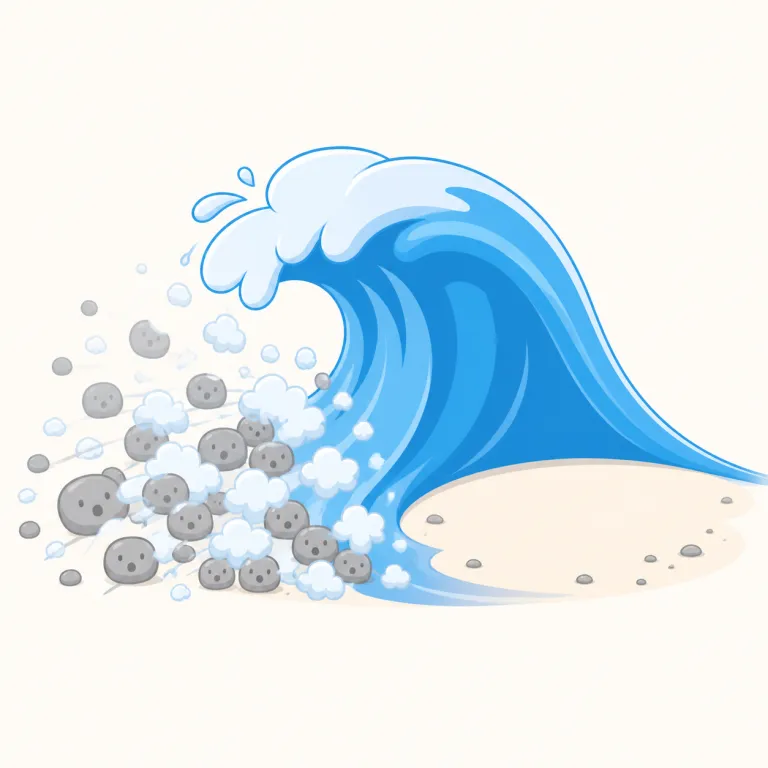
wipe out
wipe out は英検1級・TOEIC 860・TOEFL 80・IELTS 6.5レベルの英熟語で、「全滅させる、へとへとにする、派手に転ぶ」という意味があります。発音記号は /ˈwaɪp ˈaʊt/ です。
全滅させる
解説 Definition
集団や存在を完全に壊滅・全滅させること。
To wipe out means to destroy something completely or remove it fully. It can be used for people, animals, groups, businesses, or effects such as debt or disease. This phrase often suggests a sudden, strong, or total result.
覚え方のコツ Memory Tip
wipe は『拭き取る』、out は『外へ・完全に』と知っていれば、『跡が残らないくらい全部ぬぐい去る』という絵で覚えやすい表現です。単に hurt したり damage したりするのでなく、存在感ごと消えるのが wipe out。wipe out an army / a species / the whole village のように集団やまとまりを壊滅させる場面でよく使います。受け身の be wiped out で『全滅する』『壊滅する』も頻出。destroy より“跡形なくいなくなる”感じが強い、と押さえると定着しやすいです。
Start from the literal image: `wipe` removes marks, and `out` makes it complete. So `wipe out` means removing something so fully that almost nothing is left. It is stronger than just `damage` and often used for armies, species, or whole groups.
例文
The disease wiped out nearly half of the population in the region.
その病気で、その地域の人口のほぼ半数が失われた。
The flood wiped out entire villages along the river.
洪水は川沿いの村々を壊滅させた。
Overhunting nearly wiped out the species in the wild.
乱獲により、その種は野生ではほぼ絶滅した。
へとへとにする
(意味 2)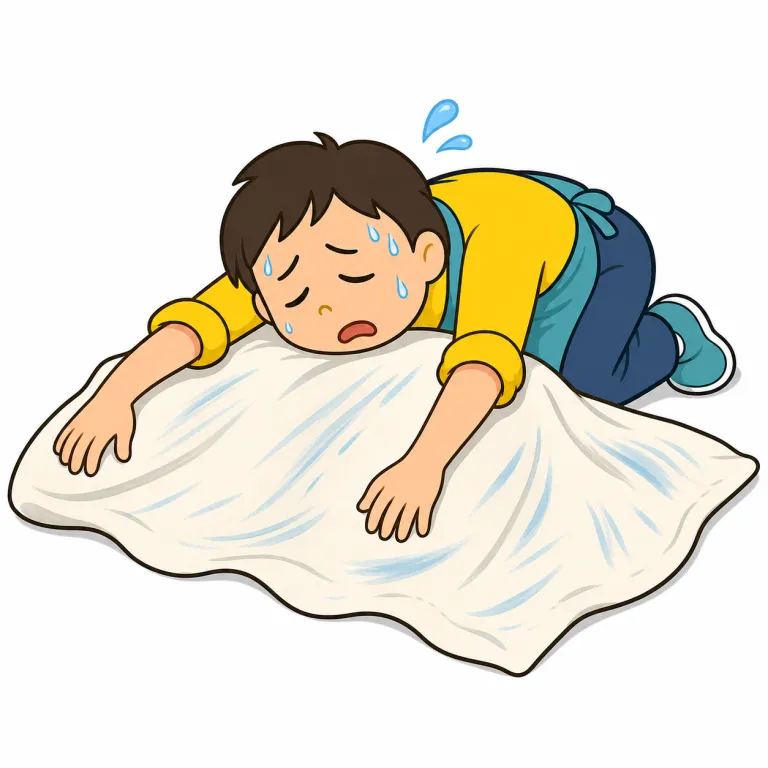
解説 Definition
「wipe out」は人を極度に疲れさせ、体力や気力をほとんど残さない状態にする口語表現。長時間の仕事、運動、移動、育児などの負担についてよく使う。単に疲れるより強く、「ぐったりさせる」という響きがある。
This informal phrasal verb means to make someone extremely tired. It suggests that an activity leaves the person with almost no physical or mental energy.
覚え方のコツ Memory Tip
wipe は「拭き取る」、out は「すっかり」。長い仕事や運動に体力をぞうきんの水分みたいに全部ぬぐい取られる絵で覚えると、この「へとへとにする」に結びつきます。That hike wiped me out. は、ハイキングで元気が跡形なく消えてぐったりした感じ。wipe out an army の「全滅させる」と同じ“すっかり消す”核ですが、この語義では消えるのは人や集団ではなく、体力・気力だと切り分けると混同しにくいです。
Think of wipe as removing something and out as removing it completely. Imagine a long day wiping away all of your energy until none is left.
例文
That long hike really wiped me out.
あの長いハイキングで本当にへとへとになった。
Taking care of two toddlers all day wipes her out.
二人の幼児の世話を一日中すると、彼女はへとへとになる。
The flight and the time difference completely wiped us out.
フライトと時差で私たちはすっかり疲れ果てた。
派手に転ぶ
(意味 3)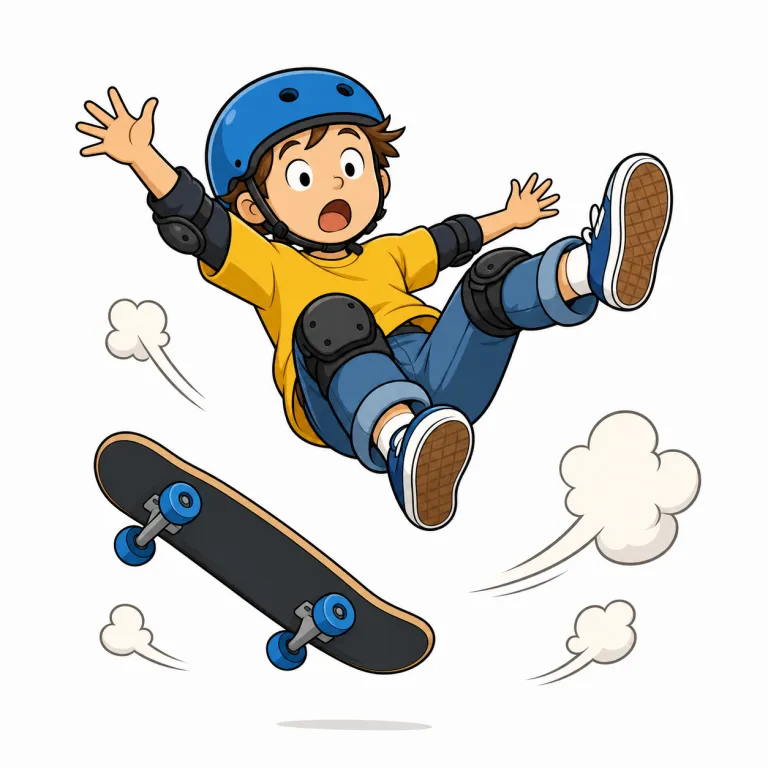
解説 Definition
「wipe out」はスキー、サーフィン、自転車などでバランスを崩し、激しく転ぶことを表す口語表現。日常会話では単に「派手に転ぶ」という意味でも使える。急で痛そうな落ち方や、人前での失敗を連想させやすい。
This informal phrasal verb means to lose balance and fall badly, especially while skiing, surfing, cycling, or skating. It suggests a sudden and dramatic crash rather than a small stumble.
覚え方のコツ Memory Tip
wipe は「拭き取る」、out は「外へ・すっかり」。スキーや自転車で足元をすくわれ、路面に体がべたっと拭きつけられるように倒れる絵で覚えると、この「派手に転ぶ」に合います。I wiped out on the ice. なら、氷の上でバランスを失って大きく転倒した感じ。wipe out a village のような「壊滅させる」ではなく、ここでは人が勢いよく倒れて競技や動きから外れる、という口語の転倒用法です。
Picture someone sliding across the ground as though their body were wiping its surface. The person falls hard and is suddenly thrown out of the smooth flow of the activity.
例文
I wiped out on the ice and bruised my knee.
氷の上で派手に転んで、ひざを打った。
He wiped out during the race but got back up.
彼はレース中に転倒したが、また立ち上がった。
She wiped out on her skateboard in front of everyone.
彼女はみんなの前でスケートボードから派手に転んだ。
wipe out の類義語・関連語
wipe out の語源・成り立ち Etymology
wipe out は wipe「ぬぐう」と out「外へ・完全に」の結合で、wipe は古英語 wipian、さらにゲルマン祖語 *wipjan に由来します。もとは表面をこすって消す動作なので、『跡形なくぬぐい去る』から「全滅させる」へ強まり、wipeout や wiper にも同じ語根が見えます。
Wipe comes from Old English wipian, from an older Germanic root meaning to rub or clean, and out adds the sense of completeness. The original image is rubbing a surface until the mark disappears. From there, wipe out came to mean destroying or removing something completely. Related words include wiper and wipeout.
同じレベルの語彙をもっと
英検1級の一覧へ →外部辞書で調べる
この英熟語をクイズで覚えよう