
happen
happen は英検4級レベルの英単語で、「起こる、偶然〜する」という意味があります。発音記号は /ˈhæpən/ です。
意味一覧 (2件)
起こる
解説 Definition
出来事や状況が自然に、または偶然に生じることを表す動詞です。計画されていない事柄や予期せず起こる変化に使われ、日常会話でも頻繁に用いられます。
To happen means to take place or occur. It is used for events, situations, or changes, especially when we talk about something that begins or becomes real at a certain time.
覚え方のコツ Memory Tip
happen は「何かが表に出て起こる」とざっくり捉えると覚えやすい。まず be動詞と違って、主語の意志で行う動作ではなく、出来事が自然に生じるときに使う語。What happened? が定番で、事故・変化・偶然の出来事と相性がいい。plan や decide のような計画性は薄く、「起きてしまった」「たまたま起こった」感じ。occur より口語的で、take place よりくだけた日常語として押さえると使い分けしやすい。
Connect `happen` with the old noun `hap`, meaning luck or chance. It first suggested that something came about by chance, which makes it easy to remember the modern meaning `occur`.
例文
Bad things happen sometimes.
悪いことは時々起こる。
Something bad happened outside.
外で何か悪いことが起こりました。
Fights sometimes happen at school.
学校では時々けんかが起こります。
えいたんごクイズでの正答率
この語をはじめて出題された 43人 のうち 42人 が正解しました(98%)。
えいたんごクイズの回答から集計した独自データです。1人につき最初に出題されたときの1回だけを数えており、復習や2回目以降の回答、「わからない」と時間切れは含みません。 集計時点は 2026年9月19日 です。
偶然〜する
(意味 2)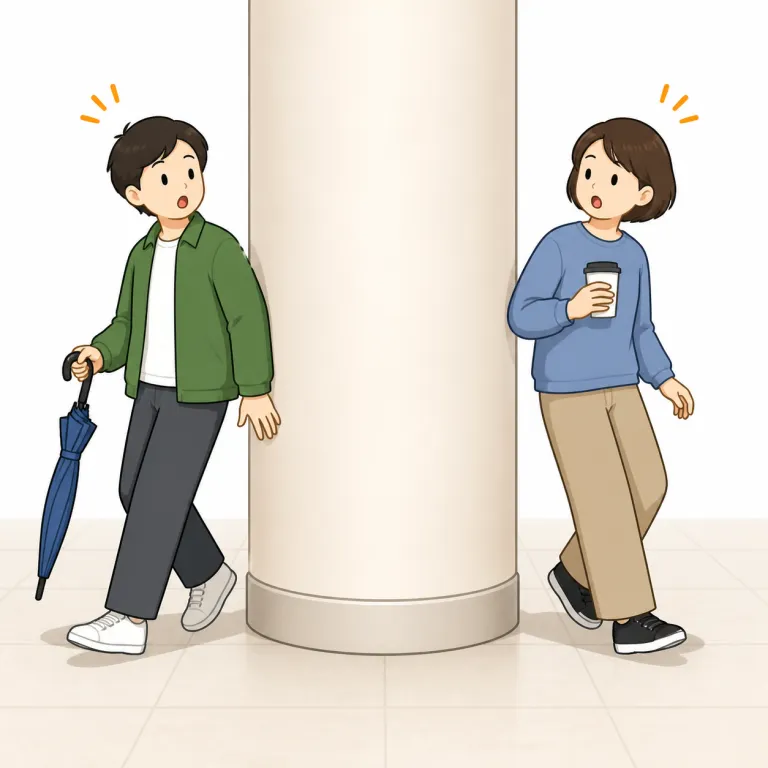
解説 Definition
主に happen to do の形で、意図せずたまたま何かをすることを表す。「〜することになる」よりも、偶然そうなったという含みが強い。思いがけない経験や一致を述べるときによく使う。
To do something or be in a particular situation by chance, without planning it. It is followed by "to" and a verb, often when describing an unexpected experience or coincidence.
覚え方のコツ Memory Tip
happen to do の形をひとまとまりで覚え、「意図していなかったが、たまたま〜する」と結びつけると定着しやすい。たとえば happen to meet なら「偶然会う」、happen to know なら「たまたま知っている」。単に出来事が「起こる」という用法ではなく、人が偶然ある行動をしたり、ある状態にあったりすることを表す構文です。
Learn "happen to do" as one pattern meaning "do something by chance." Connect "happen to meet" with an unplanned meeting and "happen to know" with information you have by chance.
例文
I happened to meet her at the station.
私は駅で偶然彼女に会った。
He happened to know the answer.
彼はたまたまその答えを知っていた。
We happened to be in the same class.
私たちは偶然同じクラスだった。
happen の類義語・関連語
happen の語源・成り立ち Etymology
happen は古ノルド語 happ「運・偶然」に由来し、英語で hap + -en と動詞化された語です。もとは「偶然そうなる」が核で、出来事一般の「起こる」になったと分かると腑に落ちます。happy や mishap も同じ hap の仲間です。
Happen comes from the old noun hap, meaning "luck" or "chance," which came into English from Old Norse. English later added the verb ending -en, so it first meant something like "come about by chance." Over time, it widened from accidental events to the general meaning "occur." Related words include happy, perhaps, and mishap.
同じレベルの語彙をもっと
英検4級の一覧へ →外部辞書で調べる
この英単語をクイズで覚えよう