heave
heave は英検1級レベルの英単語で、「力を込めて持ち上げる、どっと吐く、大きく上下する、えずく、吐く」という意味があります。発音記号は /hiːv/ です。
力を込めて持ち上げる、どっと吐く、大きく上下する
解説 Definition
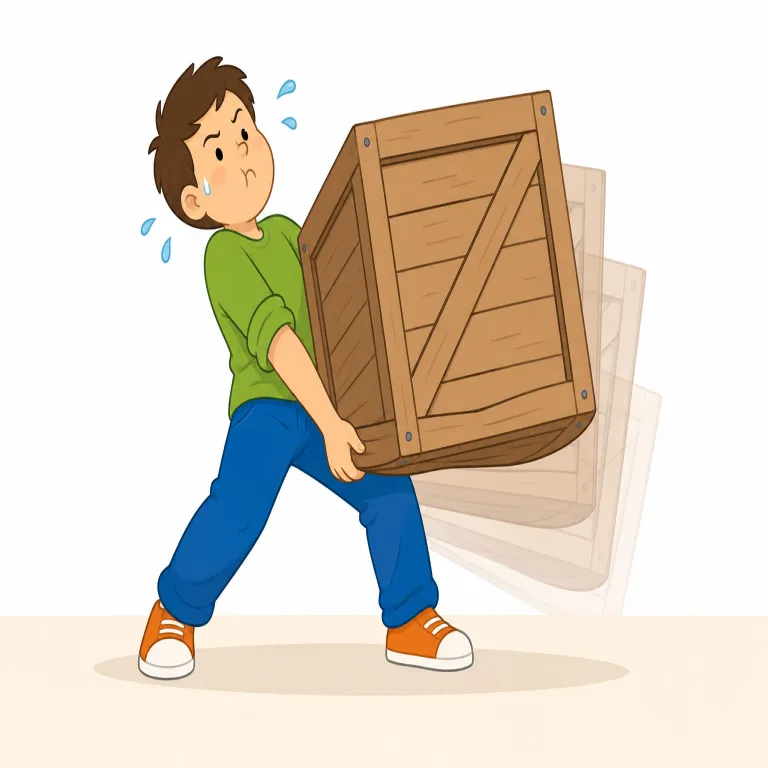
重い物を力を込めて持ち上げたり押し動かしたりすることを表すほか、胸が上下する、海や地面が大きくうねる、ため息などをどっと吐くという意味でも使う。身体的な大きな動きや強い力感を伴う語。
To heave means to lift, pull, or throw something heavy with a lot of effort. It can also describe a strong upward movement, or the action of suddenly vomiting. The word often suggests force, strain, or a large motion.
覚え方のコツ Memory Tip
heave は heavy を連想すると定着しやすい。heavy な物を「ぐっと」持ち上げる、押し動かす感覚で、lift よりも重さ・しんどさ・一回の大きな動きが前に出る。heave a box なら重い箱をよいしょと動かす感じ。さらに heave a sigh ではため息をどっと吐く、the sea heaved では海が大きくうねる、のように「大きく上下する」イメージで広くつながる。軽くひょいと上げる場面には合いにくい語。
Think of heavy when you see heave. It usually suggests one big, difficult movement, not a quick easy lift. That same strong up-and-down image also helps with heave a sigh and the sea heaved.
例文
They heaved the sofa up the stairs.
彼らはソファを力を込めて階段の上まで運び上げた。
The sea heaved violently during the storm.
嵐の間、海は激しくうねった。
She heaved a sigh of relief after the exam.
彼女は試験のあと、ほっとして大きくため息をついた。
えずく、吐く
(意味 2)解説 Definition
吐き気のためにえずいたり、実際に吐いたりすることを表す動詞です。強いにおい、乗り物酔い、痛みなどで胃がこみ上げ、体が思わず吐き出そうとする場面で使われます。口語では苦しそうに吐く動作を強調する響きがあります。
To heave means to lift or throw something heavy with a lot of effort, or to move up and down strongly. It can also mean to breathe heavily or to vomit. The meaning depends on the situation, but it usually suggests strong physical force or strain.
覚え方のコツ Memory Tip
heave はまず「ぐっと大きく持ち上げる/持ち上がる」感じの動きを思い出すと定着しやすいです。胃の中のものが上にせり上がり、体が大きく上下してえずく、というイメージで「吐く」に結び付けます。vomit が結果として吐くこと自体を表しやすいのに対し、heave は苦しそうに体を震わせてえずく動きに焦点があります。dry heave(空えずき)も一緒に覚えると区別しやすいです。
`Heave` can mean a heavy up-and-down movement of the body. In this sense, remember `dry heave`, a common phrase for the body trying to vomit. The key image is not the result, but the painful motion in the chest and stomach.
例文
The smell of spoiled milk made him heave.
腐った牛乳のにおいで彼はえずいた。
She leaned over the sink and began to heave.
彼女は流しに身を乗り出してえずき始めた。
After the boat ride, I had to run outside to heave.
船に乗った後、私は外へ駆け出して吐かなければならなかった。
heave の類義語・関連語
heave の語源・成り立ち Etymology
heave は古英語 hebban「持ち上げる・ उठこす」に由来し、ドイツ語 heben と同系です。もともと「下からぐっと上へ持ち上げる」感覚の語なので、重い物をよいしょと上げる意味がそのまま残っています。関連語は upheave, heaving。
Heave comes from Old English hebban, meaning "to lift up" or "raise," and it is related to German heben. The word has long kept the image of pushing something upward from below, especially with effort. That is why it still often suggests lifting or moving something heavy. Related words include upheave and heaving.
同じレベルの英単語をもっと
英検1級の一覧へ →外部辞書で調べる
この単語を英単語クイズで覚えよう