
messy
messy は英検準1級レベルの英単語で、「乱雑な、厄介な」という意味があります。発音記号は /ˈmɛsiː/ です。
意味一覧 (2件)
乱雑な
解説 Definition
整理整頓されておらず、散らかっていて見た目が悪い。秩序がなく、ぐちゃぐちゃしている。物があちこちに散乱している様子。
If something is messy, it is dirty, untidy, or not well organized. It can describe a room, hair, writing, or even a situation. The word is often used in everyday conversation.
覚え方のコツ Memory Tip
まず名詞 mess「ごちゃごちゃした状態」を先に押さえると覚えやすいです。messy はそこに -y が付いて「そういう状態の」→「散らかっている」。clean / tidy の反対として a messy room, a messy desk をまとまりで覚えると定着します。dirty が「汚れている」に寄るのに対し、messy は物の配置や見た目が乱れている感じ。髪・机・部屋・文章など、整理の悪さが目立つ場面で広く使えます。
Build it from `mess`, meaning a state of disorder. Add `-y`, and `messy` means “full of mess” in appearance or arrangement. It sticks well in pairs like `a messy room` versus `a tidy room`.
例文
Her room was messy, and she could not find her homework.
部屋が散らかっていて、彼女は宿題を見つけられませんでした。
The messy kitchen needed a good cleaning.
散らかった台所は、きれいに掃除する必要がありました。
He apologized for the messy state of his desk.
彼は机が散らかっていることを謝りました。
えいたんごクイズでの正答率
この語をはじめて出題された 37人 のうち 26人 が正解しました(70%)。
えいたんごクイズの回答から集計した独自データです。1人につき最初に出題されたときの1回だけを数えており、復習や2回目以降の回答、「わからない」と時間切れは含みません。 集計時点は 2026年9月19日 です。
厄介な
(意味 2)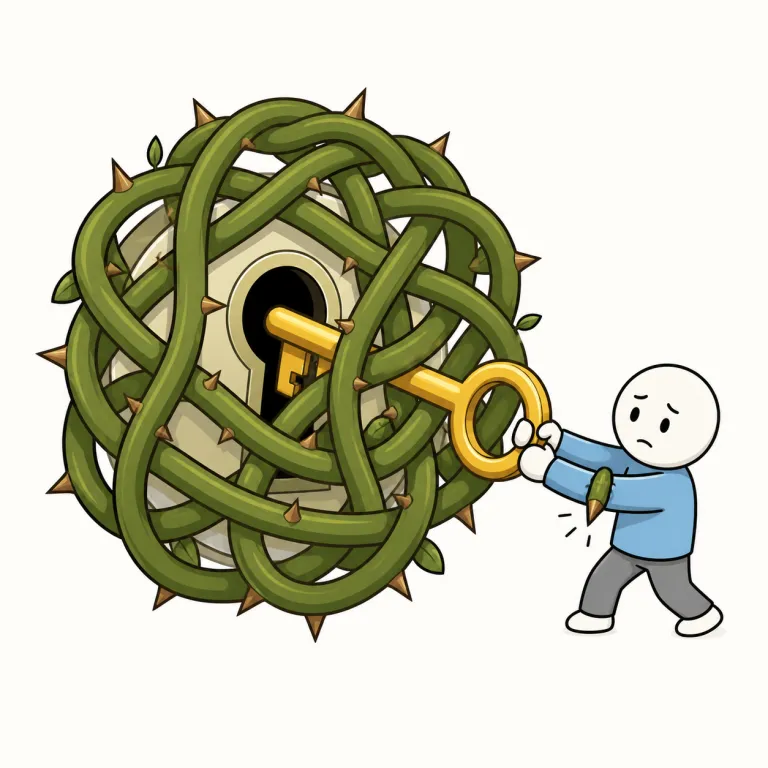
解説 Definition
問題、交渉、人間関係などがすっきり片付かず、対応が難しくて面倒な様子を表す。物が散らかっているという意味ではなく、事情がこじれたり利害が絡んだりして、簡単には解決できない場面でよく使う。対立や混乱を含む比喩的な用法。
Complicated and difficult to deal with or resolve, often because of conflict or confusion. It describes situations, negotiations, or relationships in which competing interests or emotions make a simple solution difficult.
覚え方のコツ Memory Tip
まず名詞 mess「ごちゃごちゃした状態」を先に押さえると覚えやすいです。messy はそこに -y が付いて「そういう状態の」ですが、部屋だけでなく、話し合いや人間関係がごちゃついて片付かない時にも使います。a messy situation, messy negotiations のように、利害や感情が絡んで簡単に整理できない場面で「厄介な」と覚えましょう。a messy room の物理的な散らかりとは、事情の散らかりだと切り分けると混同しにくくなります。
Connect mess with -y to picture a situation full of tangled issues. In messy negotiations or a messy situation, imagine interests and emotions becoming mixed together. That mental tangle helps you remember why the problem is difficult to resolve.
例文
The negotiations became messy after the deadline was missed.
締め切りに間に合わなかったことで、交渉はこじれた。
It's a messy situation, so we need to be careful.
これは厄介な状況なので、慎重に進める必要がある。
The family problem could get messy.
その家族の問題は厄介なことになりかねない。
messy の類義語・関連語
messy の語源・成り立ち Etymology
mess「ごちゃごちゃした状態」に形容詞語尾-yが付いた語で、元のmessは古フランス語mes、さらに後期ラテン語missus「食卓に出された一皿」へさかのぼります。一皿に盛られた寄せ集めが「雑然と混じる」感覚を生み、mess upやmessinessの「乱雑な」へ発展しました。
Messy comes from mess with the adjective ending -y. Mess came through Old French from Late Latin missus, which referred to a course of food placed on a table. The sense shifted from "a serving of mixed food" to "a confused mixture," which later gave English the idea of disorder and untidiness.
同じレベルの語彙をもっと
英検準1級の一覧へ →外部辞書で調べる
この英単語をクイズで覚えよう