
意味一覧 (3件)
犯罪
解説 Definition
犯罪行為とは、法律で禁止されている違法な行動のことです。人々が社会の秩序を守るために犯罪行為は厳しく罰せられます。犯罪には様々な種類があり、軽微なものから重大なものまであります。
An offence is an illegal act or a crime. It is often used in law and official language, and it can describe anything from a small rule-breaking act to a serious crime. This is the British spelling of "offense" in this meaning.
覚え方のコツ Memory Tip
offend「害する・気分を害する」を知っていると覚えやすい語です。offence はその名詞で、「人や社会に害を与えること」から、法律に反する行為、つまり「違反・犯罪」を表します。crime よりやや広く、traffic offence のような比較的軽い違反にも使えます。よくある形は commit an offence。なお米語では offense と綴ることが多いので、その違いもセットで覚えると定着します。
Connect offence to offend. If offend is the action, offence is the harmful or illegal act itself. It is useful to remember collocations like commit an offence and traffic offence, and also note that American English usually spells it offense.
例文
The police said this was an offence.
警察は、これは犯罪だと言いました。
This offence can lead to a fine.
この犯罪には罰金が科されることがあります。
The offence sent him to jail.
彼はその犯罪で刑務所に入りました。
侮辱、無礼
(意味 2)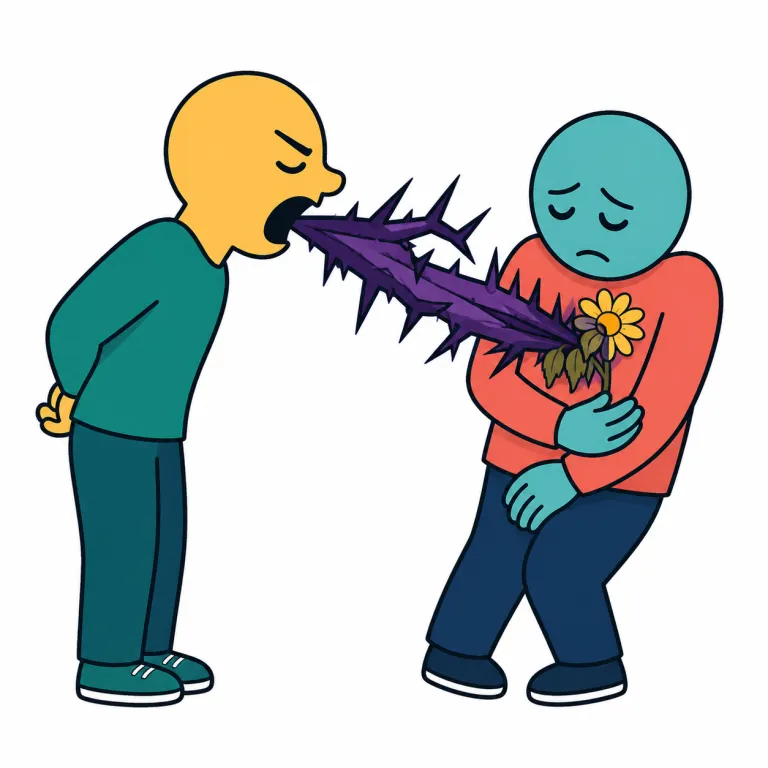
解説 Definition
相手の言動によって不快になったり、面目をつぶされたりする「侮辱・無礼」を表す名詞です。謝罪が必要な失礼な発言や態度について述べるときによく使われ、take offence の形で「気を悪くする」という意味でも頻出します。
An insult or hurt to someone's feelings or dignity caused by rude words or behavior. It is often used when describing someone feeling insulted or explaining that no hurt was intended.
覚え方のコツ Memory Tip
offend「気分を害する」を知っていると覚えやすい語です。offence はその名詞で、相手の心にぶつかって不快にさせるもの、つまり「侮辱・無礼」を表します。take offence at... は「...に気を悪くする」、no offence は「悪気はない」という頻出表現。法律上の offence「違反・犯罪」と同じ語ですが、この行では相手の感情や面目を傷つける失礼さに焦点を置くと混乱しません。
Connect offence with offend, meaning to hurt someone's feelings. Remember take offence at a remark for feeling insulted, and no offence intended for explaining that you did not mean to hurt anyone.
例文
He took offence at her joke.
彼は彼女の冗談に気を悪くした。
No offence was intended by the comment.
その発言に悪気はなかった。
She saw the remark as a personal offence.
彼女はその発言を自分への侮辱だと受け取った。
えいたんごクイズでの正答率
この語をはじめて出題された 34人 のうち 11人 が正解しました(32%)。
えいたんごクイズの回答から集計した独自データです。1人につき最初に出題されたときの1回だけを数えており、復習や2回目以降の回答、「わからない」と時間切れは含みません。 集計時点は 2026年9月19日 です。
攻撃、攻撃側
(意味 3)
解説 Definition
スポーツで、得点を狙って攻めることや攻撃力、または攻撃を担当する選手たちを指す名詞です。守備と対比して使われます。offence はイギリス式の綴りで、アメリカ英語では offense と綴ります。
A team's attacking play or ability to score in a sport, or the players responsible for attacking. It is discussed in contrast with defending and preventing the other team from scoring.
覚え方のコツ Memory Tip
offence は defence「守備」と対にして覚えると定着しやすい語です。スポーツで得点を取りに行く「攻撃」や、それを担当する「攻撃側」を表します。a strong offence「強い攻撃陣・攻撃力」のような形で覚えると、法律上の「犯罪」や、人を怒らせる「侮辱」の語義と区別しやすくなります。
Learn offence together with defence: one side tries to score while the other tries to stop scoring. Picture the attacking players when you hear a strong offence.
例文
The team's offence scored twice before halftime.
そのチームの攻撃陣は前半終了までに2回得点した。
Our offence scored three goals today.
今日、私たちの攻撃陣は3得点を挙げた。
Their defence is strong, but their offence rarely scores.
彼らは守備が強いが、攻撃陣はめったに得点できない。
offence の類義語・関連語
offence の語源・成り立ち Etymology
offence は古フランス語 offence を経て、ラテン語 offensa/offendere(ぶつかる・害する)にさかのぼります。原義は「何かにぶつかって害を与えること」で、そこから違反・犯罪、または無礼の意味へ広がりました。関連語は offend, offensive。
Offence came through Old French from Latin offensa and offendere, meaning "to strike against" or "to injure." The earliest sense was the idea of hitting or causing harm. From there, it developed into meanings such as wrongdoing, crime, and behavior that hurts or insults someone. It is related to offend and offensive.
同じレベルの語彙をもっと
外部辞書で調べる
この英単語をクイズで覚えよう