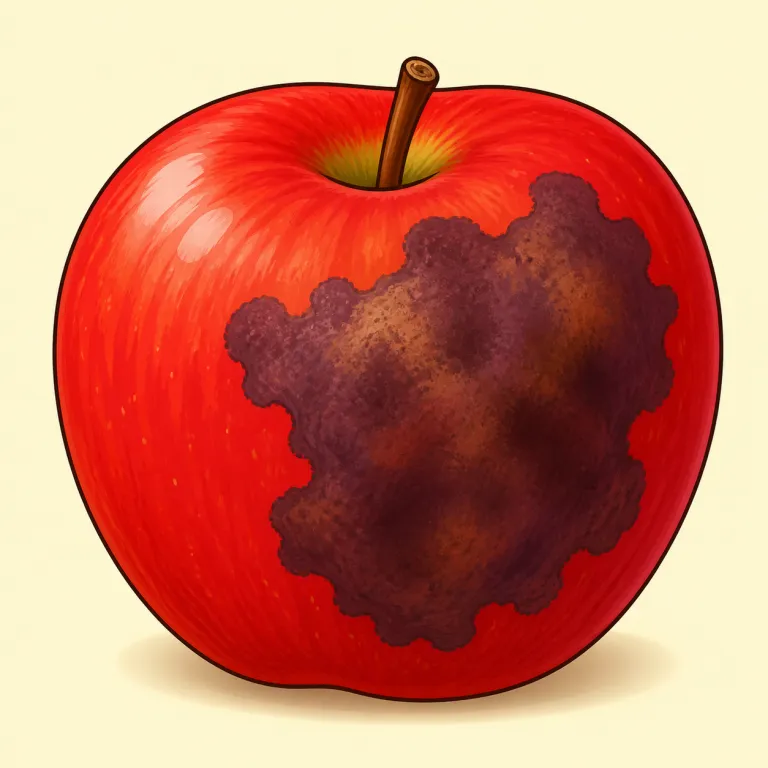
しみ
解説 Definition
表面に不規則に広がる汚れ、シミ、または色の濃い部分。皮膚の色素沈着や物質の表面の瑕疵を指すことが多い。
A blotch is a large, uneven mark or spot, often on a surface, the skin, or paper. It usually suggests something unclear or messy rather than a small neat spot. The word is common in everyday descriptions of stains, marks, or color patches.
覚え方のコツ Memory Tip
blot を知っていると覚えやすい語。blot は「インクのしみ・汚点」で、blotch はそこから広がってできた、形の不規則な大きめのしみやまだらを指しやすい。spot が「点」、stain が「付いて落ちにくい汚れ」なのに対し、blotch は見た目のムラやまだら模様に意識が向く。blotchy「まだらの」とセットで覚えると強い。skin blotches, ink blotches, red blotches on the face のように、皮膚や表面にぶわっと広がる場面を思い浮かべると定着しやすい。
Start from the simpler word `blot`, which means a mark or stain. `Blotch` feels like a bigger, more uneven patch, not a small neat spot. Remember it with common pairs like `red blotches` or `ink blotches`, and link it with `blotchy`.
例文
The old painting had several blotches where the color had faded over time.
その古い絵画には、時間とともに色あせた部分にいくつかのしみがあった。
He noticed a dark blotch on the fruit, indicating it might be overripe.
彼は果物に黒っぽいしみがあるのに気づき、熟れすぎているのかもしれないと思った。
The skin condition resulted in red blotches across her face.
その皮膚疾患のせいで、彼女の顔全体に赤いまだらができた。
blotch の類義語・関連語
類義語
対義語
派生語
blotch の語源・成り立ち Etymology
blotch は1600年ごろの英語で、blot「しみ・汚れ」をもとに botch や patch の音の影響が重なってできたと考えられます。語源はやや不確かですが、「べたっと付いた不規則な斑点」という響きが、しみの見た目とよく合います。関連語は blot, blotchy。
Blotch appeared in English around 1600 and was likely built from blot, meaning a stain or smear. Its form was probably shaped by the sound of words like botch and patch, which helped give it a sense of something uneven or messy. The origin is not fully certain, but it stayed close to the idea of an irregular mark. Related English words include blot and blotchy.
同じレベルの語彙をもっと
外部辞書で調べる
この英単語をクイズで覚えよう