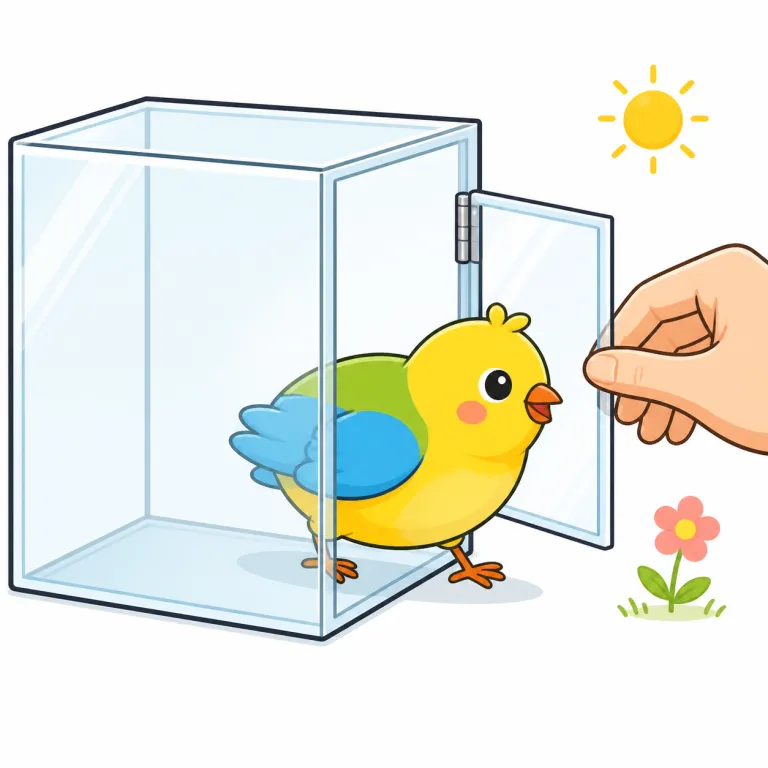
let out
let out は英検準1級レベルの英熟語で、「外に出す、声を出す、漏らす、大きくする」という意味があります。発音記号は /ˈlɛt ˈaʊt/ です。
外に出す
解説 Definition
この句動詞は、声や感情、あるいは閉じ込められたものを外に出すことを表す。叫び声を上げたり、部屋や袋の中から人や空気を出したりする場面で自然に使う。状況によっては服や靴を少し緩める、または手を離すようなイメージにも広がる。
This phrasal verb means to allow something or someone to go out, or to release something from inside. It can also mean making a sound, feeling, or secret come out. The meaning changes with context, so pay attention to what follows it.
覚え方のコツ Memory Tip
"out" が付くので、まず「内側にあるものが外へ出る」と押さえると覚えやすい句動詞です。基本の let は「させる・許す」なので、let out で「外に出す/外へ出るままにする」。人や動物を外に出すだけでなく、let out a scream のように声や感情を思わず外へ出す場面でも頻出です。秘密なら let out a secret で「漏らす」。同じ let でも let go は「手放す」、leave out は「除く」なので混同しないこと。
Focus on "out": something inside moves to the outside. With "let," the image is "allow it to come out," so it can be a person, an animal, a sound, or even a secret. Remember common pairs like let out a scream and let out a secret.
例文
She let out a scream when she saw the spider.
彼女はクモを見て悲鳴を上げた。
Please let the dog out before you leave the house.
出かける前に犬を外に出してあげてください。
Open the valve slowly to let out the air.
空気を外に出すために、バルブをゆっくり開けてください。
声を出す
(意味 2)
解説 Definition
let out は、ため息・叫び声・歓声などを外に向けて出すときに使う句動詞です。驚き、安心、痛み、興奮などで思わず音声が出る場面で特によく使われます。短く一度発する感じが出やすい表現です。
This means to produce a sigh, scream, cheer, or similar sound, often because of a sudden emotion or physical reaction. It commonly suggests one brief sound escaping from a person or group.
例文
He let out a deep sigh after the interview.
面接のあと、彼は深いため息をついた。
She let out a scream when the lights went out.
明かりが消えたとき、彼女は悲鳴を上げた。
The crowd let out a cheer as the team scored.
チームが得点すると、観客は歓声を上げた。
漏らす
(意味 3)
解説 Definition
秘密・本当のこと・計画などを、隠しておくべきなのに人に話してしまうときの let out です。故意にばらす場合にも、うっかり口を滑らせる場合にも使えます。内緒の情報が外へ出るニュアンスが中心です。
This means to reveal secret information that was supposed to remain hidden. The disclosure may be deliberate or accidental.
例文
Don't let out our secret before Friday.
金曜日までは私たちの秘密を漏らさないで。
He accidentally let out a secret about the movie's ending.
彼はうっかりその映画の結末に関する秘密を漏らしてしまった。
Someone in the office let out the news too soon.
職場の誰かがその知らせを早々と漏らしてしまった。
大きくする
(意味 4)
解説 Definition
衣服の縫い目や折り込みをほどいて、サイズを少し大きくするときの let out です。特にズボンやスカート、ドレスを体に合わせてゆるめる場面で使われます。仕立て直しやお直しの文脈でよく見られます。
This means to make a garment slightly larger by loosening its seams or releasing folded fabric. It is commonly used when a tailor adjusts the waist or another tight part of clothing.
覚え方のコツ Memory Tip
仕立ての場面での let out は、縫い代として内側にしまってある布を out「外へ出せるようにする」と考えると、「衣服を大きくする」が覚えやすくなります。新しい布を足すというより、縫い目をほどいて胴回りなどを広げる操作です。let out the waist by two centimeters のように、広げる部分と寸法を続けられます。自分がお直しを頼むなら have a jacket let out、可能か尋ねるなら Can this dress be let out? という受け身の型も一緒に固定しましょう。
Picture fabric stored inside a seam being brought out to create more room. The garment is enlarged by releasing existing material rather than adding new fabric.
例文
This jacket is too tight, so I'll have it let out.
このジャケットはきつすぎるので、少し大きくしてもらう。
The tailor let out the waist by two centimeters.
仕立て屋はウエストを2センチゆるめた。
Can this dress be let out before the wedding?
結婚式の前にこのドレスを少し大きくできますか。
let out の類義語・関連語
let out の語源・成り立ち Etymology
letは古英語lǣtan(許す・させる)、outは古英語ūt(外へ)に由来。「外へ行くことを許す」が原義で、秘密を漏らす・衣服を広げるなど多義に発展。関連語:outlet(出口・はけ口)、let go(手放す)。内に閉じ込めていたものを解放するイメージ。
"Let" comes from Old English lǣtan, meaning "allow," "leave," or "cause," and "out" comes from Old English ūt, meaning "outside." Together, "let out" originally meant allowing something to go outside. From that idea, it later developed wider uses such as releasing a sound, revealing a secret, or making clothes looser.
同じレベルの語彙をもっと
英検準1級の一覧へ →外部辞書で調べる
この英熟語をクイズで覚えよう