(作用を)阻害する、打ち消す
verb 動詞医学・薬理学で、受容体や別の物質に作用し、その働きや効果を弱めたり遮断したりすることを表す。a receptor や the effects of a drug などを目的語に取り、人の反感を買う意味とは区別される。
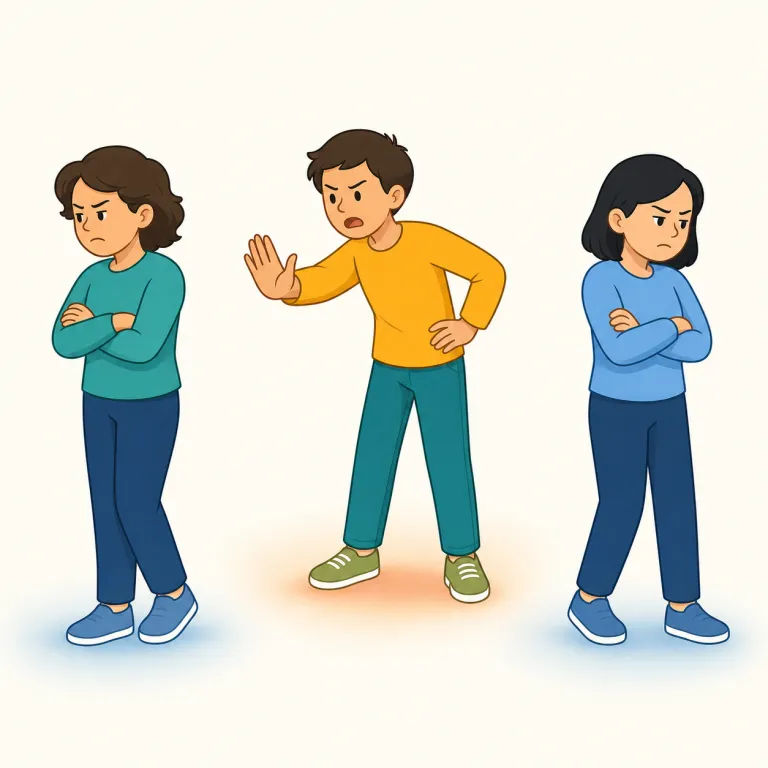
antagonize は英検1級レベルの英単語で、「(人)を敵に回す,反感を買う」という意味があります。発音記号は /ænˈtæɡənaɪz/ です。
「antagonize」は、相手を怒らせたり不快にさせたりして、敵意や反感を抱かせることを表す他動詞。発言や態度、政策などが人間関係をこじらせ、相手を敵に回すような場面でよく使われる。
To antagonize someone means to make them angry, upset, or opposed to you. It is used when your words or actions create bad feelings or conflict. This verb often suggests causing strong dislike over time, not just a small irritation.
anti-(反対)系の語だと意識すると覚えやすい。antagonist「敵役」を知っていれば、antagonize は「相手を敵側に回してしまう動詞」と捉えられる。単に annoy「いら立たせる」より強く、反感や敵意を生むのが核心。自分の発言・態度・政策が人を怒らせ、協力相手だった人まで hostile にする感じ。antagonize customers, voters, colleagues のように、人間関係や世論をこじらせる文脈で結びつけると覚えやすい。
Notice the `anti-` idea and connect it to `antagonist`, the enemy in a story. `Antagonize` means to push someone into an enemy-like attitude. It is stronger than `annoy` because it creates real hostility, as in `antagonize customers` or `antagonize voters`.
His rude comments began to antagonize the other team members.
彼の失礼な発言は、ほかのチームメンバーの反感を買い始めた。
The politician's statements antagonize voters from the opposing party.
その政治家の発言は、対立政党の支持者たちの反感を買っている。
We must avoid actions that antagonize our neighbors.
私たちは近隣住民を敵に回すような行動を避けなければならない。
文脈によって、次の意味でも使われます。
医学・薬理学で、受容体や別の物質に作用し、その働きや効果を弱めたり遮断したりすることを表す。a receptor や the effects of a drug などを目的語に取り、人の反感を買う意味とは区別される。
antagonize はギリシャ語 ant-「反対」+ agon「戦い・競技」を土台にし、もとは「相手として争う」です。antagonist や agony も同根で、単に嫌うのでなく、相手を競争相手のように立てて対立を生む感じが「敵対する」に繋がります。
Antagonize comes from Greek roots meaning "against" and "contest" or "struggle." It is related to antagonist and also to agony, which originally had the sense of a contest or struggle. The idea developed from entering into conflict with someone to causing hostility or setting yourself against them.
この英単語をクイズで覚えよう