
pull off
pull off は英検2級・TOEIC 600レベルの英熟語で、「やり遂げる、脱ぐ、外す、脇に寄せる」という意味があります。発音記号は /ˈpʊl ˈɔːf/ です。
やり遂げる
解説 Definition
困難なことを見事にやり遂げること。成功させる意味で使う。
To pull off something means to succeed in doing something difficult or surprising. It is often used when the result required skill, effort, or luck. This phrasal verb often emphasizes that success was not easy.
覚え方のコツ Memory Tip
pull off は「引っぱって off(離して)ものにする」感覚から、難しいことを最後に成功へ持っていく表現として覚える。単なる do や finish より「うまくやってのける」「周囲が少し驚く」響きが強い。You really pulled it off. の形で出やすい。carry out が計画を実行する中立語なのに対し、pull off は難事を見事に成功させる語。take off(脱ぐ・離陸する)とは別物とセットで整理すると混同しにくい。
Think of "pull off" as pulling a difficult result away from failure and into success. It is not just finishing something, but doing it successfully in a way that may surprise people. A great sentence to remember is "You really pulled it off."
例文
Despite all the challenges, they managed to pull off a successful event.
さまざまな困難にもかかわらず、彼らはイベントを見事に成功させた。
I can't believe she pulled off such a difficult negotiation.
彼女があれほど難しい交渉をやり遂げたとは信じられない。
The team pulled off an incredible comeback in the final quarter.
チームは最終クォーターで信じられないような逆転を果たした。
脱ぐ、外す
(意味 2)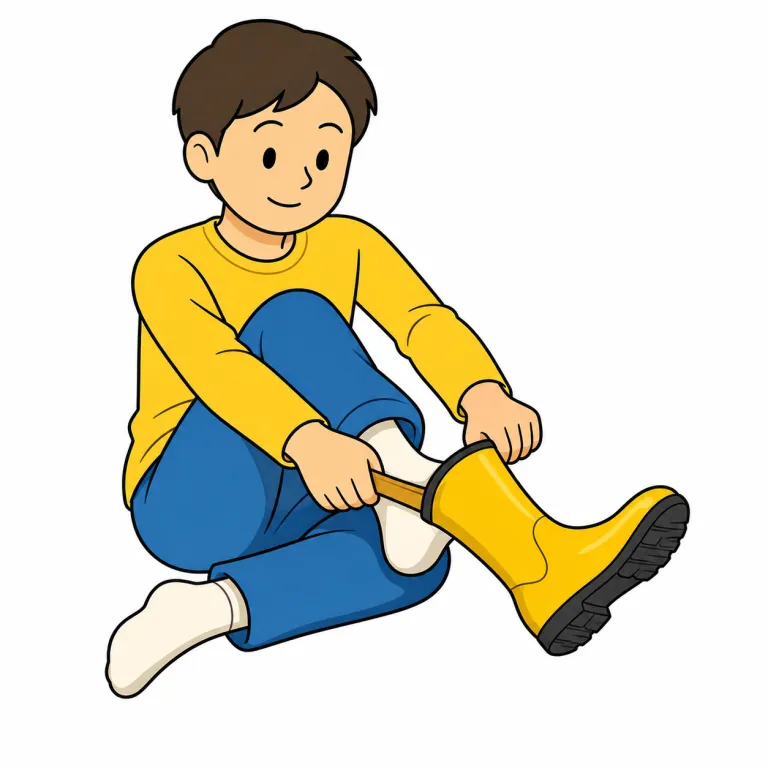
解説 Definition
衣服を体から引いて脱いだり、シールやふたなどを引いて外したりするときに使います。手で引っ張って何かを元の場所から離すイメージが強く、少し力を加えて取り除く場面でよく使われます。
To remove clothing or an attached object by pulling it away from a body or surface. It emphasizes the physical pulling motion, especially when some effort is needed.
覚え方のコツ Memory Tip
pull off は「引っぱって off(離す)」をそのまま体で覚えるとよい。ぬれた靴下をぐいっと pull off、瓶のラベルを端から pull off する絵で、「脱ぐ・外す・はがす」につながります。難しいことを pull off する「やり遂げる」と違い、この語義では実際に手で引いて元の場所から離すのが中心。take off は脱ぐ全般にも使えますが、pull off は引っ張る動きが見える表現です。
Imagine pulling off wet socks or peeling a label from a jar. The word off shows that the object becomes separated from where it was attached.
例文
He pulled off his wet socks by the door.
彼はぬれた靴下を玄関で脱いだ。
She carefully pulled off the old label from the jar.
彼女は瓶の古いラベルを注意深くはがした。
The child pulled off the lid and looked inside.
その子どもはふたを外して中をのぞいた。
脇に寄せる
(意味 3)
解説 Definition
車が本線や進行中の道路からそれて、路肩や駐車スペースなどに入ることを表します。運転をいったんやめるときや、目的地に立ち寄るとき、交通の流れを外れる場面でよく使われます。
To move a vehicle out of the main flow of traffic and onto the roadside, a shoulder, or another stopping area. It is used when a driver leaves the road temporarily or enters a place beside it.
覚え方のコツ Memory Tip
pull off は車の場面では「流れから off(外れて)脇へ引く」と覚える。道路をまっすぐ走っていた車が、ハンドルを切って路肩や休憩所に入る絵を思い浮かべると「脇に寄せる」になります。難事を pull off する「やり遂げる」と違い、ここでは成功ではなく進行中の道から外れることが中心。pull off the road / pull off at a rest area の形で覚えると使いやすいです。
Picture a car moving off the main road and toward the side. Learn patterns such as “pull off the road” and “pull off at a rest area” to remember this driving sense.
例文
The driver pulled off the road to check the map.
運転手は地図を確認するために車を道路脇に寄せた。
We pulled off at the next rest area for coffee.
私たちはコーヒーを飲むために次の休憩所に入った。
A truck suddenly pulled off onto the shoulder.
トラックが突然路肩にそれた。
pull off の類義語・関連語
pull off の語源・成り立ち Etymology
pull は中英語 pullen で、古英語・古ノルド語系の「引く」に連なる語です。off は古英語 of「離れて」で、語源的には「引いて外す」。pulley や pullback と同じく、力をかけて難事を現実へともぎ取る感覚から「やり遂げる」になりました。
"Pull" comes from Middle English *pullen*, from an older Germanic family of words meaning "to draw," and "off" comes from Old English *of*, meaning "away." At first, the phrase meant pulling something away or removing it. Later, the idea widened to include forcing a difficult result into reality, which led to the modern sense of successful completion. Related words include "pulley" and "pullback."
同じレベルの語彙をもっと
英検2級の一覧へ →外部辞書で調べる
この英熟語をクイズで覚えよう