break out
break out は英検2級レベルの英熟語で、「発生する、脱出する、急に始める、発疹・汗が出る」という意味があります。発音記号は /ˈbreɪk ˈaʊt/ です。
意味一覧 (4件)
発生する
解説 Definition
戦争や病気などが突然発生すること。勃発すること。
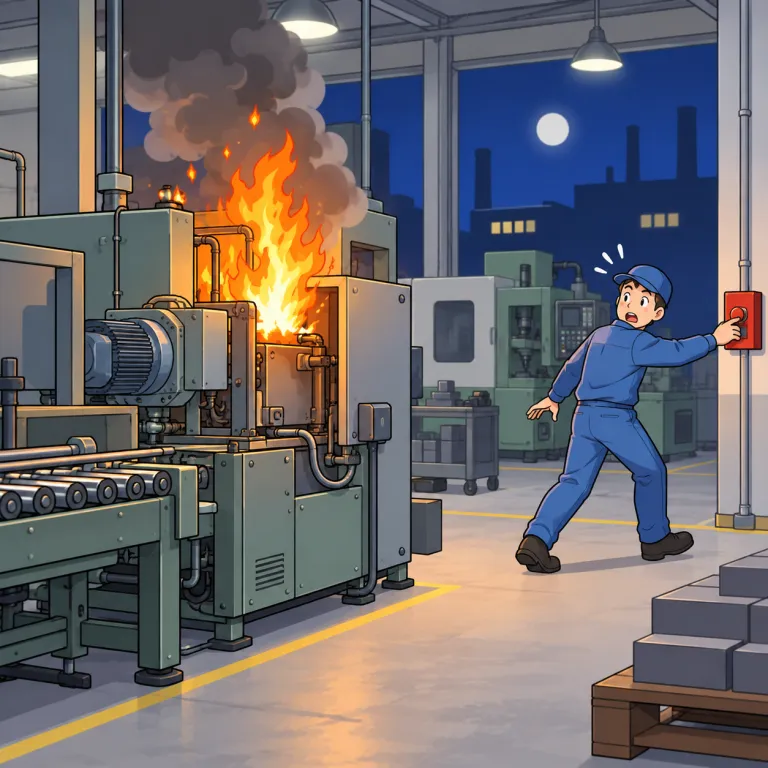
To break out means to begin suddenly, especially for something serious or uncontrolled such as a war, fire, disease, or fight. It is used when an event starts quickly and often unexpectedly. The phrase can also be used for skin problems, but that depends on context.
覚え方のコツ Memory Tip
break out は「中に閉じ込められていたものが、break で境界を破って out へ出る」と置くと覚えやすいです。そこから、暴動・戦争・火事・感染症などが抑えきれず表に出て一気に始まる感覚につながります。break out in the city, war broke out, a fire broke out のように、突然の発生と相性がよく、start よりも不意で深刻な出来事に寄りやすい表現です。似た形の break into は「押し入る」、break down は「故障する・崩れる」なので混同に注意。
`Break out` suggests something breaking a barrier and coming out fast. That is why it is often used for sudden, serious events like war, fire, or disease. It feels more sudden and stronger than just `start`.
例文
A fire broke out in the factory during the night.
夜中に工場で火災が発生した。
War broke out between the two countries in 1939.
1939年に両国の間で戦争が勃発した。
A fight broke out among the fans after the game.
試合後、ファンの間で喧嘩が起きた。
えいたんごクイズでの正答率
この語をはじめて出題された 40人 のうち 22人 が正解しました(55%)。
えいたんごクイズの回答から集計した独自データです。1人につき最初に出題されたときの1回だけを数えており、復習や2回目以降の回答、「わからない」と時間切れは含みません。 集計時点は 2026年9月19日 です。
脱出する
(意味 2)
解説 Definition
閉じ込められている場所や監視のある場所から外へ出ることを表す。特に刑務所、収容所、学校、会議などから、許可なく突然抜け出す文脈で使う。物理的な脱出が中心で、計画的な逃走にも衝動的な脱走にも使える。
To escape from a place where you are confined or kept under supervision. It usually involves leaving without permission, sometimes by overcoming a physical barrier.
覚え方のコツ Memory Tip
break out は「閉じ込められた場所の壁や境界を break して、out へ出る」と置くと覚えやすいです。この行では火事や戦争が始まるのではなく、人が刑務所・鍵のかかった部屋・会議などから外へ抜け出す動きが中心。Two prisoners broke out のように、許可された退出ではなく、囲いを破って逃げる感じです。break into は「押し入る」で内側へ入る向き、break out は「外へ出る」向きなので、矢印を逆にして覚えると混同しにくくなります。
Picture breaking through a boundary and following an arrow pointing out. Connect break out of with a prison or locked room. The outward arrow helps distinguish it from break into, which points inward.
例文
Two prisoners broke out during the night.
二人の囚人が夜の間に脱出した。
She managed to break out of the locked room.
彼女は鍵のかかった部屋から何とか脱出した。
The boys broke out of detention before lunch.
その少年たちは昼食前に居残りから抜け出した。
急に始める
(意味 3)
解説 Definition
笑い、拍手、歌、涙などが抑えきれず、急に始まるときに使う。break out laughing のように、感情や反応が一気に表に出る感じが強い。個人にも集団にも使え、自然発生的で突然のニュアンスがある。
To suddenly begin laughing, applauding, singing, or crying as a spontaneous reaction. It suggests that an emotion or response comes out all at once, sometimes because it cannot be held back.
覚え方のコツ Memory Tip
break out は、内側に抑えていた反応が境を破って一気に外へ出る図から、「笑い・拍手・歌・涙などを急に始める」と覚えると定着しやすい表現です。動作を直接続ける break out laughing「突然笑い出す」と、break out in+名詞の break out in applause/tears「急に拍手する/泣き出す」の二型が重要。計画して静かに始めるのではなく、こらえ切れず自然に噴き出す感じです。会場全体が突然拍手に包まれる場面を固定すると使い分けやすくなります。
Imagine a reaction breaking through an inner barrier and rushing out. Learn the patterns break out laughing and break out in applause. Picture a whole audience suddenly starting to clap.
例文
Everyone broke out laughing when he tripped.
彼がつまずくと、みんな急に笑いだした。
The crowd broke out in applause at the end of the speech.
スピーチの終わりに観客から拍手が沸き起こった。
She broke out in tears as soon as she heard the news.
その知らせを聞くと、彼女は急に泣きだした。
えいたんごクイズでの正答率
この語をはじめて出題された 31人 のうち 22人 が正解しました(71%)。
えいたんごクイズの回答から集計した独自データです。1人につき最初に出題されたときの1回だけを数えており、復習や2回目以降の回答、「わからない」と時間切れは含みません。 集計時点は 2026年9月19日 です。
発疹・汗が出る
(意味 4)
解説 Definition
発疹、汗、にきびなどが急に皮膚に現れることを表す。break out in a rash や break out in sweat の形が典型で、体調不良、緊張、暑さ、アレルギー反応などが原因の変化に使う。一時的な症状にも慢性的な肌荒れにも使える。
To suddenly develop a rash, spots, or sweat on your skin. This expression describes a visible physical reaction, for example to heat, nervousness, or an allergy.
覚え方のコツ Memory Tip
break out は「内側にあったものが、皮膚の表面を破るように out へ出る」と置くと覚えやすいです。この行では戦争や火事が始まるのではなく、rash, sweat, acne などが体の表面に急に現れる意味。break out in a rash, break out in sweat のように in と症状名を続ける形が定番です。出来事の勃発ではなく、体の反応が肌に出る、と切り分けると定着します。
Picture a bodily reaction suddenly showing on the surface of your skin. Learn break out in a rash and break out in a sweat as complete patterns. Treat the movement toward the surface as a memory image, not a literal description of damaged skin.
例文
I broke out in a rash after eating shrimp.
えびを食べたあと、私は発疹が出た。
He breaks out in a sweat before every presentation.
彼は発表の前になると毎回汗が出る。
My skin broke out during the hot summer.
暑い夏の間、肌が荒れた。
break out の類義語・関連語
break out の語源・成り立ち Etymology
break out は break「壊す・破る」+ out「外へ」から成る。break は古英語 brecan、out は古英語 ut に由来し、内側の境界を破って外へ出る感覚から、火事や戦争が「勃発する」意味になった。関連語は outbreak, breakout。
Break out comes from Old English brecan, meaning to break, and out, from Old English ut. The basic image is of something breaking through a boundary and moving outside. From that, the phrase came to be used for events that suddenly begin, like fires, fights, or disease; outbreak and breakout are closely related forms.
同じレベルの語彙をもっと
英検2級の一覧へ →外部辞書で調べる
この英熟語をクイズで覚えよう