意味一覧 (3件)
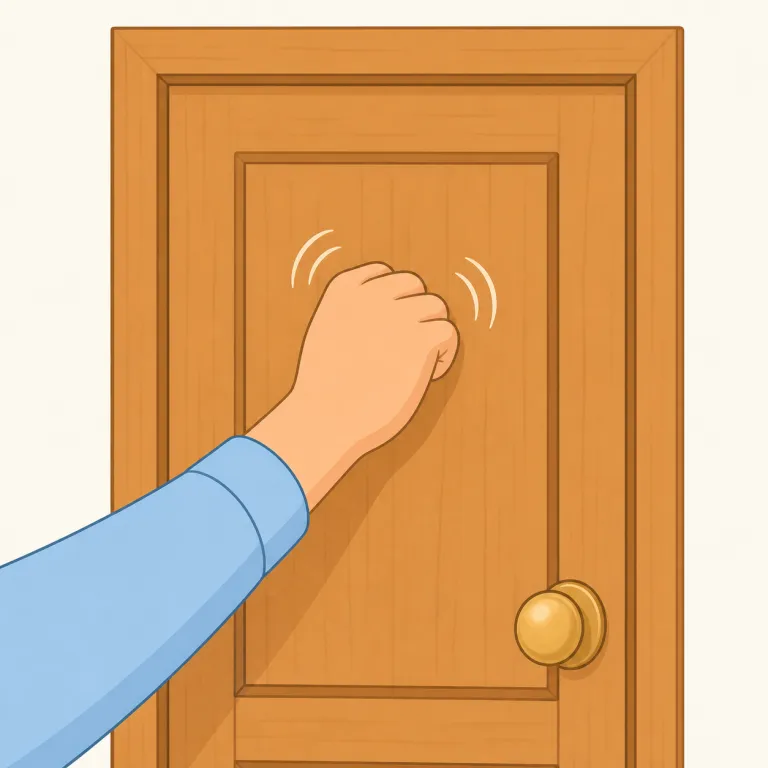
ノックする
解説 Definition
戸や窓などの表面を手や指で軽くたたき、中の人に合図したり注意を向けさせたりするときに使う語です。礼儀として部屋に入る前にする動作や、音を立てて呼びかける場面でよく使われます。単に表面を軽くたたく意味でも使えます。
This verb means to tap a door, window, or other surface so that someone hears the sound and pays attention. It is especially used for the polite action performed before entering a room.
覚え方のコツ Memory Tip
knock はまず『コンコンとたたく』音と動作で覚えるのが基本です。ドアや窓を軽くたたいて、中の人に合図する場面を思い浮かべると定着しやすい。knock on the door, knock before entering のように、入る前の礼儀としての『ノックする』でよく出ます。口語では『けなす』という比喩的な意味もありますが、この行では言葉で打つのではなく、手や指で表面を軽くたたく物理的な動作だと切り分けるのがコツです。
Connect knock with the sound “knock, knock” made by lightly hitting a door with your hand. Remember common patterns such as “knock on the door” and “knock before entering.”
例文
Someone knocked on the door three times.
だれかがドアを三回ノックした。
Please knock before you come in.
入る前にノックしてください。
She knocked on the window to get his attention.
彼女は彼の注意を引くために窓をたたいた。
非難する
(意味 2)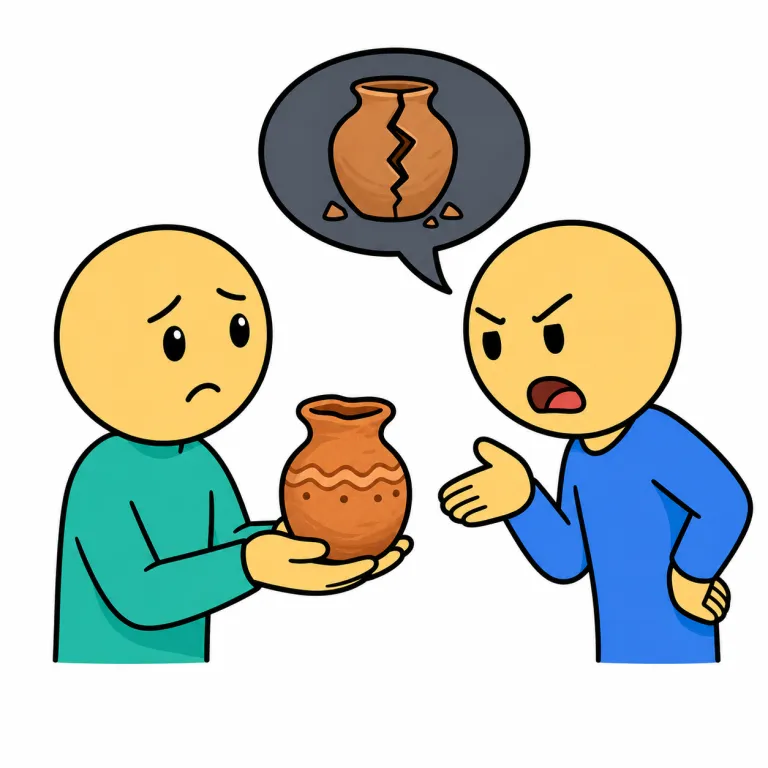
解説 Definition
他人の言動や考え方に対して、悪い点を指摘したり否定したりする。批判的な見方や意見を述べることを意味します。
To knock someone or something means to criticize them in an informal way. It is used in everyday speech when people speak negatively about a person, idea, product, or activity. This sense is common in conversation and is less formal than criticize.
覚え方のコツ Memory Tip
knock はまず『ノックする・たたく』の基本像を持つ語。そこから、相手を言葉で“打つ”ように欠点を突くと考えると、口語の『けなす・非難する』がつながる。criticize より少しくだけた響きがあり、knock a plan, knock someone’s idea など『案や考えをけなす』場面で出やすい。物理的にたたく knock と、比喩的に人や意見を打つ knock をセットで覚えると混同しにくい。
Start with the physical idea of knock: to hit something down. In informal English, if you knock a film, plan, or person, you knock it down with criticism. The common line "Don't knock it till you've tried it" is a strong memory hook.
例文
The critics knocked the new film for its weak storyline.
批評家たちはストーリーが弱いとしてその新作映画を批判した。
Don't knock his efforts; he tried his best.
彼の努力を批判してはいけない。彼は最善を尽くした。
She knocked the government's handling of the crisis.
彼女は政府の危機対応を批判した。
ぶつける
(意味 3)
解説 Definition
体の一部や持ち物を、誤って机・壁・棚などの固い物に当てるときに使います。痛みが出たり音がしたりする偶然の接触を表すことが多いです。わざと打つというより、不注意で何かに当ててしまう感じがあります。
This verb means to accidentally hit a body part or an object against a hard surface. It often describes a small, painful, or noisy collision caused by carelessness rather than a deliberate blow.
覚え方のコツ Memory Tip
knock は『コツンと当たって音がする』イメージで覚えると、この語義につながります。I knocked my knee against the table なら、ひざがテーブルにコツンと当たってしまった感じ。意図的にドアをノックする場合と違い、ここでは体や物をうっかり固いものにぶつける場面です。口語の『けなす』ではなく、物理的な接触と軽い衝撃を中心に押さえると混同しにくいです。
Imagine accidentally hitting your knee against a table and hearing a small “knock.” In this sense, a person knocks a body part or object against something hard by mistake.
例文
I knocked my knee against the table.
私はひざをテーブルにぶつけた。
He knocked his head on the shelf.
彼は棚に頭をぶつけた。
Be careful not to knock your cup against the sink.
コップを流しにぶつけないよう気をつけて。
knock の類義語・関連語
knock を含む表現
句動詞・イディオムなど 6 件。クリックで各表現の詳細へ。
knock の語源・成り立ち Etymology
knock は中英語 knokken にさかのぼる擬音語で、物をゴツゴツ打つ音や動作を表しました。ドアを軽くたたいて音で知らせる動作も、この『打つ音』の感覚からそのままつながります。関連語は knockout, knockdown。
Knock goes back to Middle English knokken, an imitative word connected with the sound and action of hitting something. Tapping a door to announce your presence developed directly from this idea.
同じレベルの語彙をもっと
外部辞書で調べる
この英単語をクイズで覚えよう